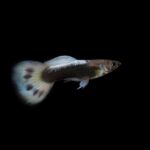
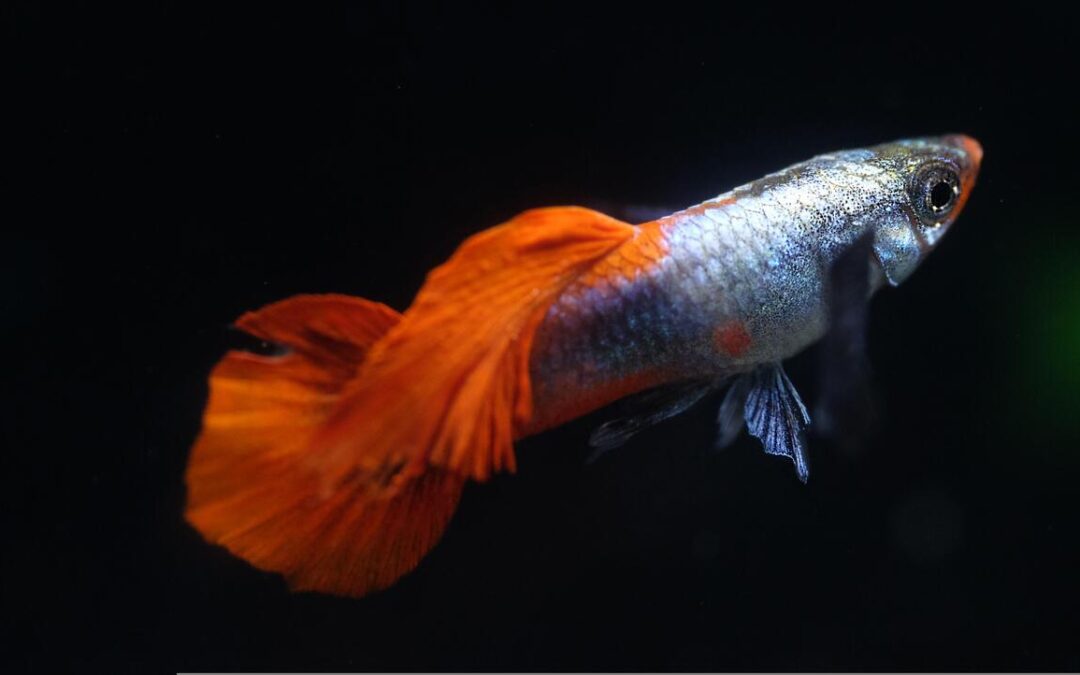
Guppies are known as great fish for beginners, and for good reason. These small freshwater fish are colorful, active, peaceful, and surprisingly hardy. If you’re setting up your first aquarium or want to add some life to your current tank, guppies can make fishkeeping more fun.
Guppies thrive when they have stable water, a balanced diet, friendly tank mates, and regular care. While they’re easier to care for than many other fish, they still need proper attention to stay healthy and live longer.
If you want to know how to care for guppies, this guide covers all the basics.
Why Guppies Are So Popular
Guppies are small tropical fish native to parts of South America and the Caribbean. Over decades of selective breeding, aquarists have developed countless varieties featuring vibrant colors and elaborate tail shapes.
Some reasons why guppies remain favorites among fish keepers include:
- They are beginner-friendly.
- They adapt well to community aquariums.
- They come in many beautiful color patterns.
- They are peaceful and active.
- They breed readily in captivity.
Even though guppies are known for being easy to keep, giving them the right environment really helps them stay healthy and live longer.
Setting Up the Ideal Guppy Tank
Many beginners think small fish only need small tanks, but guppies actually do better in larger, more stable tanks. This makes caring for them easier.
Choose the Right Tank Size
A 10-gallon aquarium should be considered the minimum size for keeping guppies. This provides enough swimming space for a small group while helping maintain stable water conditions.
Larger tanks offer additional benefits, including:
- More consistent water parameters
- Greater stocking flexibility
- Reduced stress among fish
- Easier maintenance
Since guppies are social, it’s best to keep them in groups instead of alone.
Maintain Proper Water Temperature
Guppies are tropical fish that prefer warm water.
Try to keep the water between 72°F and 82°F (22°C to 28°C). Many people find that 76°F to 78°F (24°C to 26°C) works best.
An adjustable aquarium heater can help keep the temperature steady, especially when the weather changes.
Monitor Water Chemistry
Good water quality is very important for healthy guppies.
Guppies generally prefer:
- pH: 7.0 to 8.0
- Slightly hard to moderately hard water
- Keep the water conditions steady and avoid big changes
Before introducing fish, always use a water conditioner to remove chlorine and chloramine from tap water.
Regular testing with an aquarium test kit can help ensure ammonia and nitrite remain at zero while nitrates stay at safe levels.
Decorating Your Guppy Aquarium
A nicely decorated tank looks good and also helps your fish feel safe. That’s why adding plants and hiding spots is important.
Add Plants and Hiding Spaces
Both live and silk plants work well for guppies.
Popular choices include:
- Java moss
- Java fern
- Anubias
- Amazon sword plants
Driftwood and aquarium-safe decorations can also provide shelter and visual interest.
Hiding spots are extra important if you want to breed guppies. Baby fish like to hide in thick plants, so your tank setup really matters.
Use a Reliable Filter
A quality filter keeps the aquarium clean by removing waste and promoting beneficial bacterial growth.
Pick a filter that moves the water gently. Strong currents can be too much for guppies, especially for the babies.
Sponge filters are often excellent choices for breeding setups, while hang-on-back filters work well in community tanks.
Understanding Guppy Social Behavior
Guppies are peaceful and usually do best when they have other guppies around. That’s why it’s a good idea to keep them in groups.
Keep Them in Groups
Many experienced aquarists recommend keeping guppies in groups of at least three to five fish.
When guppies live in small groups, they act more naturally and feel less stressed.
Male-to-Female Ratios Matter
If you keep both males and females together, it’s important to have the right balance. This helps prevent too much breeding and keeps stress levels down.
A good rule of thumb is:
- One male for every two to three females
Male guppies often chase females to breed. Having more females means the attention is shared, so each fish feels less stressed.
Alternatively, many hobbyists choose all-male guppy tanks, which showcase brilliant colors without the challenge of managing constant reproduction.
Choosing Suitable Tank Mates
Since guppies are gentle, it’s important to pick tank mates that get along with them. Choose their companions carefully.
Good companions include:
- Neon tetras
- Corydoras catfish
- Harlequin rasboras
- Peaceful mollies
- Harmless snails
- Shrimp species that aren’t overly aggressive
Don’t keep guppies with fish that are aggressive or like to nip fins, such as tiger barbs, large cichlids, aggressive bettas, or some loaches.
Examples include:
- Tiger barbs
- Large cichlids
- Aggressive bettas
- Certain species of loaches
Long-finned guppies can become particular targets for fin-nippers.
Feeding Guppies Properly
What guppies eat is important for their bright colors and good health. So, it’s helpful to know what foods are best for them.
What Do Guppies Eat?
Guppies are omnivores, meaning they consume both plant and animal matter.
A balanced diet may include:
- High-quality flake food
- Micro-pellets
- Frozen brine shrimp
- Frozen bloodworms
- Daphnia
- Vegetable-based foods
Giving your guppies different types of food helps them get all the nutrients they need and keeps their diet balanced.
How Often Should You Feed Them?
Experts often say that one of the most important things is not to overfeed your guppies.
Feed guppies only what they can consume within one to two minutes.
Most people feed their guppies once or twice a day, but some split the food into smaller meals and feed up to three times daily.
Overfeeding can lead to:
- Poor water quality
- Excess waste buildup
- Digestive problems
- Increased disease risk
When in doubt, less is usually better.
Routine Maintenance for Healthy Guppies
Even though guppies are tough, they still need regular care. Keeping up with maintenance is key to their health.
Perform Regular Water Changes
Changing the water regularly removes waste and adds back important minerals, which keeps the tank healthier.
Changing 10% to 25% of the water every two to four weeks is often sufficient for lightly stocked tanks.
Heavily stocked aquariums may require more frequent maintenance.
Make sure the new water is close to the same temperature as the tank to avoid shocking your fish.
Clean Equipment Carefully
Regularly inspect:
- Filters
- Heaters
- Thermometers
- Air pumps
Don’t change all the filter media at once, because that can remove the helpful bacteria your tank needs.
Instead, rinse filter sponges gently in old tank water during maintenance sessions.
Breeding Guppies: What to Expect
Guppies are well known for breeding quickly, which is why it’s important for breeders to plan ahead.
Unlike egg-laying fish, guppies are livebearers, meaning females give birth to free-swimming fry.
If males and females share the same aquarium, breeding is almost inevitable.
Protecting Baby Guppies
Adult guppies sometimes eat their babies, so it’s important to protect the fry.
To improve fry survival rates, provide plenty of hiding places using dense plants such as Java moss.
Some breeders also move pregnant females or fry into separate rearing tanks.
Since guppies breed so often, it’s smart to have a plan for what to do with the babies before you start breeding them on purpose.
Common Mistakes to Avoid
Even people with lots of experience make mistakes sometimes. Knowing the most common guppy care errors can help you avoid them.
Some common guppy care mistakes include:
- Keeping them in tanks smaller than 10 gallons
- Skipping water changes
- Overfeeding
- Mixing them with aggressive species
- Ignoring water testing
- Allowing uncontrolled breeding without preparation
If you avoid these problems, your guppies will have a much better quality of life.
Understanding Guppy Personalities and Behavior
A fun part of keeping guppies is seeing their personalities. Even though they’re small, guppies are curious and active. Many owners notice their guppies quickly learn to come to the front of the tank at feeding time, often darting around excitedly when someone walks by.
Male guppies are especially lively. They show off their colorful tails and do little dances to impress the females. Watching these behaviors is fascinating and helps explain why guppies have been popular for so long.
Interestingly, no two guppies look exactly alike. Through selective breeding, enthusiasts have developed countless strains featuring unique combinations of colors, patterns, and tail shapes. Some popular varieties include:
- Cobra guppies, recognized by their snake-like body patterns.
- Moscow guppies, known for their deep, solid colors.
- Dragon guppies, prized for their intricate scale patterns.
- Tuxedo guppies, which display contrasting colors between the front and rear portions of their bodies.
- Dumbo ear guppies, featuring oversized pectoral fins that resemble elephant ears.
Many hobbyists enjoy collecting and breeding different types of guppies as part of the fun of fishkeeping.
Signs of a Healthy Guppy
Knowing what a healthy guppy looks like can help you spot problems early. Healthy guppies are active, alert, and ready to eat. They swim smoothly and get along with their tank mates, so it’s good to watch for these signs.
Here are a few signs that your guppies are thriving:
- Bright, vibrant coloration
- Fully extended fins without tears or clamping
- A strong appetite
- Smooth, effortless swimming
- Clear eyes and clean-looking scales
If you see signs like tiredness, not eating, clamped fins, white spots, or trouble swimming, your guppy might be stressed or sick. Often, poor water quality is the cause, so regular tank care is very important.
Interesting Facts About Guppies
Many fish keepers don’t know that guppies have an interesting history.
For starters, guppies were originally discovered in the wild during the 19th century. They were named after Robert John Lechmere Guppy, a naturalist who sent specimens from Trinidad to researchers in England.
Another interesting fact is that guppies have been used in some parts of the world as a natural method of mosquito control because they readily consume mosquito larvae. This earned them the nickname “millionfish,” not only for their appetite for larvae but also for their remarkable breeding ability.
Female guppies possess an incredible reproductive adaptation: they can store sperm from a single mating for several months. This means a female may continue giving birth to multiple batches of fry even if no male is present in the aquarium.
What’s really impressive about guppies is how tough they are. Even though they look delicate, they’re some of the hardiest tropical fish you can find. But being hardy doesn’t mean they can be neglected. Clean water, good food, and a calm environment help them show their best colors and playful behavior.
Guppies really show what makes fishkeeping fun. They’re beautiful but not hard to care for, friendly but not aggressive, and simple enough for beginners while still giving experienced fishkeepers lots to enjoy and learn.
Final Thoughts
Caring for guppies isn’t hard, but being consistent is what leads to success—not just luck.
Providing a properly sized aquarium, maintaining stable water conditions, offering nutritious foods, and choosing compatible tank mates all contribute to healthier, more vibrant fish.
Guppies’ bright colors and playful nature make them a great choice for both beginners and experienced fishkeepers. With good care, they can thrive and brighten up your aquarium for years.
Frequently Asked Questions
Are guppies easy to take care of?
Yes. Guppies are considered one of the easiest freshwater fish to keep. Their hardy nature and adaptability make them ideal for beginners.
How often should I feed my guppies?
Feed guppies 1 to 3 times daily, offering only what they can eat in 1 to 2 minutes.
Do guppies need a heater?
In most homes, yes. Guppies thrive in temperatures between 72°F and 82°F, and an adjustable heater helps maintain stability.
Can guppies live alone?
They can survive on their own, but they generally do better in groups of three to five fish.
How long do guppies live?
Most guppies live between one and three years, depending on genetics, water quality, diet, and overall care.
Can guppies breed easily?
Yes. Guppies are prolific livebearers and can reproduce frequently if males and females are kept together.
What fish can live with guppies?
Peaceful species such as neon tetras, Corydoras catfish, rasboras, and certain snails often make suitable tank mates.
How often should I change the water in a guppy tank?
Perform partial water changes of around 10% to 25% every two to four weeks, adjusting frequency based on stocking levels and water quality.