
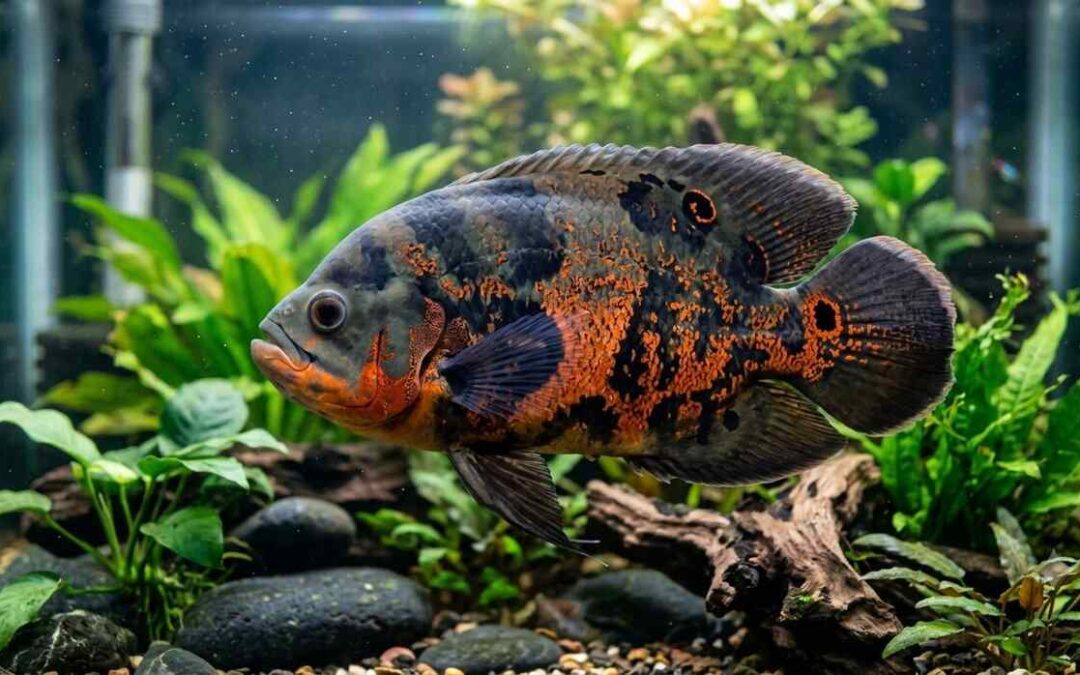
If you’ve ever kept an Oscar fish, you’ve likely noticed they’re different from most aquarium fish. Instead of swimming aimlessly, they watch you, recognize you, and even interact with you. That’s why Oscars are often called “aquarium dogs.”
Oscar fish (Astronotus ocellatus) come from the slow-moving rivers and floodplains of South America and are some of the most popular freshwater cichlids for aquarium enthusiasts. Their bright colors, strong personalities, and intelligence make them memorable pets. Still, they have a few quirks that every owner should know about.
Let’s explore what makes Oscar fish unique.
Oscar Fish Are Surprisingly Intelligent
Oscar fish are known for their intelligence. Unlike many aquarium fish that just react to movement, Oscars learn to recognize their owners over time.
Many hobbyists notice that their Oscar will:
- Swim to the front of the tank when they enter the room
- Follow them from one side of the aquarium to the other
- Beg for food during feeding time
- Learn feeding routines
- Accept food directly from their owner’s hand
This interactive behavior is why many fish keepers compare Oscars to pets like dogs. While they won’t do tricks like a puppy, they do develop routines and acknowledge familiar people.
Oscars are very observant and often get curious about everything happening outside their tank.
They Have Big Personalities
Perhaps the most famous Oscar fish characteristic is their personality.
Each Oscar develops its own conduct and inclinations. Some are playful and friendly, while others might be stubborn, shy, or very territorial.
Many experienced aquarists describe Oscars as having distinct “moods.”
For example, after a water change or when you add new decorations, an Oscar might suddenly seem upset. Some owners have seen their fish lying on the bottom or resting on their side for a few minutes, which can make them look seriously ill.
Luckily, this is usually just what hobbyists call the Oscar’s “drama queen” personality. Once they get used to the changes, they’re usually back to normal.
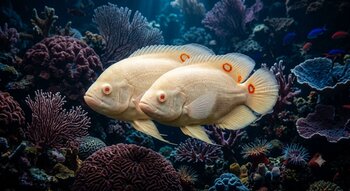
Oscars Form Strong Connections With Their Owners
Another unique characteristic is how social they become with people.
Unlike schooling fish that mostly interact with each other, Oscars often pay more attention to their human caretakers.
It’s common to see an Oscar:
- Greeting its owner every morning
- Watching people walk past the aquarium
- Splashing at feeding time
- Following fingers along the glass
- Waiting near the front of the tank when someone approaches
Fish don’t feel emotions the same way mammals do, but Oscars show clear recognition and interactive behaviors that make them much more interesting than many other aquarium fish.
Curious Fish That Love Reordering Their Tank
If you spend time decorating your aquarium, don’t expect it to stay that way for long.
Oscar fish are naturally curious and love investigating their surroundings.
As they grow larger, they often:
- Dig holes in the substrate
- Uproot live plants
- Push rocks across the aquarium
- Move driftwood
- Rearrange decorations
This behavior isn’t destructive out of spite. It’s just their natural instinct to explore and change their environment. Because of this, many Oscar keepers use sturdy decorations and hardy or artificial plants.
That’s why many Oscar keepers pick sturdy decorations and hardy or artificial plants.
Oscar Fish Grow Quite Large
Many beginners don’t realize how large Oscar fish can get.
A healthy Oscar can reach:
- 10–14 inches (25–35 cm) in length
- Around 2–3 pounds when fully grown
- A lifespan of 10–15 years, with excellent care, sometimes allowing them to live even longer
Since they grow quickly, Oscars soon outgrow small aquariums.
Most experts recommend:
- At least 75 gallons for one adult Oscar
- 100–125 gallons or larger for two Oscars
Giving them enough space to swim helps lower stress and reduce territorial behavior.
They Are Semi-Aggressive
Oscar fish are considered semi-aggressive South American cichlids.
This doesn’t mean they’re always attacking other fish. Their aggression usually comes from defending territory, breeding, or competing for food.
Oscar fish commonly:
- Defend their favorite areas
- Chase unfamiliar fish
- Establish dominance
- Protect spawning sites
Their predatory instincts are also important to remember. If another fish is small enough to fit in an Oscar’s mouth, it will probably end up as food.
That’s why small community fish like neon tetras, guppies, and small rasboras aren’t good tank mates for Oscars.
Every Oscar Has a Different Temperament
One of the most interesting things about Oscar fish is that no two are exactly the same.
Some Oscars are surprisingly peaceful and coexist well with similarly sized fish.
Others become extremely territorial and refuse to tolerate any tank mates at all.
Factors influencing temperament include:
- Genetics
- Tank size
- Water quality
- Individual personality
- Previous experiences
- Feeding habits
Because of this individuality, it’s hard to predict how any Oscar will behave. Even two siblings raised together can grow up with very different personalities.
They’re Messy Eaters
Oscar fish have enormous appetites.
But they’re also some of the messiest freshwater fish you can keep.
During feeding, they often:
- Bite large chunks of food
- Spit pieces back out
- Scatter pellets
- Leave leftovers behind
This creates a lot of waste and can quickly lower water quality. That’s why Oscar tanks need strong filtration, regular gravel cleaning, weekly water changes, and careful feeding to keep waste under control. For that reason, Oscar aquariums require:
- Powerful filtration
- Regular gravel cleaning
- Weekly water changes
- Careful feeding to avoid excess waste
Keeping the water clean is one of the most important parts of keeping Oscars healthy. That’s why regular maintenance is so important.
They Display Amazing Body Language
Even though fish can’t talk, Oscar fish communicate very well through body language.
Owners often learn to recognize signs like:
- Bright coloration when active and healthy
- Darkened colors when stressed
- Flared fins during displays of dominance
- Tail slapping to warn other fish
- Gentle begging movements during feeding time
- Hiding when frightened
Watching these behaviors helps owners spot health problems early, which leads to better care overall.
Oscar Fish Need Stable Water Conditions
Despite their hardy reputation, Oscar fish thrive best in stable water conditions.
Ideal water parameters include:
- Temperature: 74–81°F (23–27°C)
- pH: 6.5–7.5
- Moderate water hardness
- Strong biological filtration
- Low ammonia and nitrite levels
Since Oscars make a lot of waste, keeping the water clean is key to preventing disease and keeping them healthy for the long term. That’s why stable water conditions are so important.
They Can Live for Many Years
Owning an Oscar is a long-term commitment.
With proper care, balanced nutrition, and a spacious aquarium, many Oscars live 10 to 15 years, and some even exceed that.
Because Oscars live so long, owners can form a real bond with them. This makes them one of the most rewarding freshwater fish to keep.
Why Oscar Fish Continue to Be So Popular
Oscar fish combine intelligence, curiosity, beauty, and temperament in a way that few freshwater fish can match.
Oscar fish stand out for their intelligence, curiosity, beauty, and temperament, qualities that few other freshwater fish can match. They recognize their owners, interact during feeding, and show unique personalities, which is why they’re called “aquarium dogs.” Still, new owners should remember that Oscars can be territorial, messy eaters, love to rearrange their tanks, and sometimes act like “drama queens” by sulking or pretending to be sick after changes, but they usually bounce back quickly.
If you’re ready for the commitment, an Oscar fish can be one of the most entertaining and interactive freshwater pets you’ll ever have. In short, Oscars are rewarding because of their personality and interaction, but they need plenty of space, stable conditions, and dedicated care. This mix of personality and care makes them a great choice for dedicated fish keepers.
Frequently Asked Questions
What are the main characteristics of Oscar fish?
Oscar fish are intelligent, interactive, curious, semi-aggressive, and highly territorial freshwater cichlids. They are known for recognizing their owners, rearranging aquarium decorations, growing up to 14 inches long, and living for over a decade with proper care.
Why are Oscar fish called “aquarium dogs”?
They’re called “aquarium dogs” because they often recognize their owners, greet people at the front of the tank, beg for food, follow movement around the room, and can even learn to take food from their owner’s hand.
Are Oscar fish aggressive?
Oscar fish are considered semi-aggressive. While they aren’t constantly hostile, they defend their territory and may attack smaller fish, especially those small enough to fit into their mouths.
Do Oscar fish recognize their owners?
Yes. Many Oscar fish learn to recognize the people who regularly feed and care for them. They often swim toward recognizable faces and become noticeably excited during feeding time.
How big do Oscar fish get?
Most adult Oscar fish reach between 10 and 14 inches (25–35 cm) in length and require a minimum 75-gallon aquarium to comfortably accommodate their size.
Why does my Oscar fish move decorations?
This is completely normal behavior. Oscar fish naturally dig, push rocks, move driftwood, and uproot plants as they explore and establish their territory.