
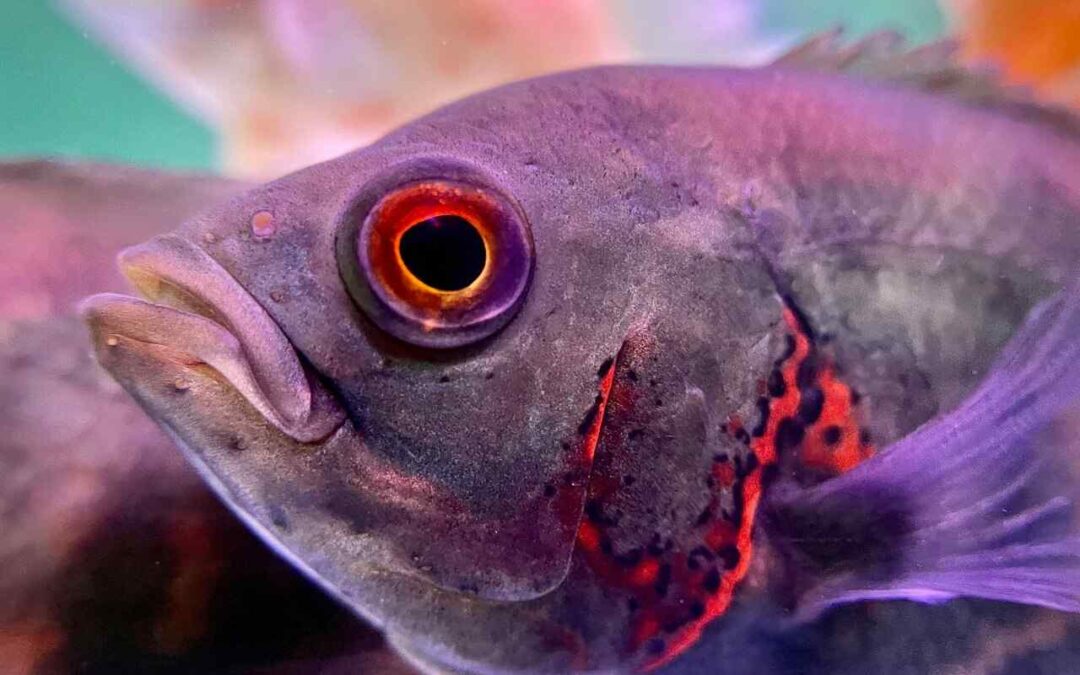
When people first see an Oscar fish, they often wonder what kind of fish it actually is. Its large body, bold personality, and interactive behavior make it very different from small community aquarium fish. So, is an Oscar a cichlid?
The short answer is yes. The Oscar fish, scientifically known as Astronotus ocellatus, is a freshwater cichlid that belongs to the Cichlidae family. Native to South America, Oscars are among the most popular large aquarium fish in the world because of their intelligence, striking appearance, and surprisingly interactive nature.
Experts describe Oscars as large South American cichlids known for their “dog-like” personalities, territorial behavior, and impressive intelligence. Many fishkeepers even say Oscars recognize their owners and react when someone approaches the tank.
However, while Oscars are fascinating pets, they are also one of the most misunderstood cichlids. Many beginners buy small juvenile Oscars without realizing how large, messy, and territorial they eventually become.
In this guide, we’ll explore what makes an Oscar a cichlid, where they come from, how they behave, and what you should know before keeping one.
What Is a Cichlid?
Before understanding Oscars specifically, it helps to know what a cichlid is.
Cichlids are freshwater fish belonging to the family Cichlidae, one of the largest fish families in the world. They are found mainly in:
- South America
- Central America
- Africa
- Parts of Asia
Cichlids are famous for several traits:
- Strong personalities
- Territorial behavior
- High intelligence
- Complex parenting instincts
- Aggressive tendencies in some species
Some popular cichlids include:
- Angelfish
- Discus
- Jack Dempseys
- Flowerhorns
- African cichlids
- Oscars
What makes cichlids unique is how interactive they can be compared to many other aquarium fish. They often recognize routines, defend territories, and even care for their eggs and fry.
Oscars perfectly fit these characteristics, which is why they are considered classic South American cichlids.
The Scientific Classification of Oscar Fish
The Oscar’s scientific name is Astronotus ocellatus.
Here is its basic classification:
- Kingdom: Animalia
- Phylum: Chordata
- Class: Actinopterygii
- Order: Cichliformes
- Family: Cichlidae
- Genus: Astronotus
- Species: A. ocellatus
The name “ocellatus” refers to the eye-like spots, or ocelli, found near the tail of the fish. These spots may help confuse predators in the wild.
Because Oscars belong to the Cichlidae family, they are officially classified as cichlids.
Where Do Oscar Fish Come From?
Oscar fish are native to the Amazon Basin in South America. They are commonly found in countries such as:
- Brazil
- Peru
- Colombia
- Venezuela
- Ecuador
In the wild, Oscars live in slow-moving freshwater environments including:
- Floodplains
- Swamps
- Calm river sections
- Backwaters
These waters are usually warm, soft, and slightly acidic.
Wild Oscars often have darker natural coloration compared to the bright ornamental varieties sold in pet stores today.
Why Are Oscars So Popular?
Oscars have remained popular in the aquarium hobby for decades because they are unlike most fish.
Many owners describe them as behaving more like aquatic pets than decorative fish. Oscars often:
- Follow people around the tank
- Beg for food
- Learn feeding schedules
- Rearrange decorations
- React to their owners
Their intelligence is one of the biggest reasons fishkeepers love them.
Some Oscars even allow gentle hand feeding and seem to recognize familiar faces. This behavior is why they are commonly nicknamed “water puppies.”
Oscar Fish Appearance
Oscars have a thick, oval-shaped body with large lips and expressive eyes.
One of their most recognizable features is the eyespot near the tail. This spot resembles a large eye and may help distract predators.
Adult Oscars can grow surprisingly large:
- Average size: 12–16 inches
- Some exceed 18 inches in ideal conditions
They are also heavy-bodied fish, requiring spacious aquariums.
Popular Oscar Varieties
Over the years, selective breeding has created many beautiful Oscar varieties, including:
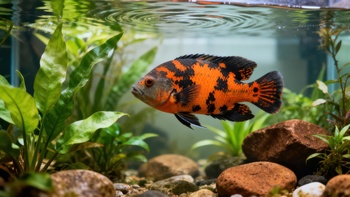
Tiger Oscar
Probably the most common type. Features orange-red markings over a dark body.
Red Oscar
Mostly red or orange coloration covering much of the body.
Albino Oscar
White or pale cream body with red or orange markings and pinkish eyes.
Lemon Oscar
Bright yellow coloration.
Long Fin Oscar
Has flowing extended fins for a dramatic appearance.
Despite their different colors, all Oscar varieties belong to the same species.
Oscar Personality and Behavior
Oscar behavior is one of the clearest signs they are cichlids.
Like many cichlids, Oscars are:
- Territorial
- Intelligent
- Curious
- Interactive
- Sometimes aggressive
They establish territories and may defend them aggressively, especially as adults.
However, aggression levels vary depending on:
- Tank size
- Tank mates
- Individual temperament
- Feeding habits
- Aquarium setup
Some Oscars become surprisingly peaceful with compatible tank mates, while others attack nearly everything in sight.
Are Oscars Aggressive?
Yes, Oscars can be aggressive.
This is common among many cichlids, especially larger South American species.
Oscars may:
- Chase smaller fish
- Fight over territory
- Eat fish small enough to fit in their mouths
- Become aggressive during breeding
That said, they are generally less aggressive than some notorious cichlids like Red Devils or Jaguar Cichlids.
Many experienced keepers successfully house Oscars with similarly sized fish such as:
- Silver dollars
- Severums
- Large plecos
- Jack Dempseys
- Green terrors
Careful planning is important because each Oscar has its own personality.
How Big of a Tank Does an Oscar Need?
One of the biggest mistakes beginners make is underestimating Oscar size.
Juvenile Oscars sold in stores may only be 2–3 inches long, but they grow rapidly.
Recommended Tank Size
- Minimum for one Oscar: 75 gallons
- Ideal size: 125 gallons or larger
- Pair of Oscars: 125–150+ gallons
Oscars are active swimmers and produce a large amount of waste. Bigger tanks help maintain stable water quality and reduce aggression.
Why Do Oscars Need Strong Filtration?
Oscars are famous for being messy eaters.
They chew aggressively, spit food particles around, and create heavy biological waste.
Because of this, strong filtration is essential.
Most Oscar keepers use:
- Canister filters
- Sumps
- High-capacity filtration systems
Poor water quality can quickly lead to health issues including:
- Hole-in-the-head disease
- Fin damage
- Stress
- Bacterial infections
Regular water changes are extremely important for healthy Oscars.
What Do Oscar Fish Eat?
Oscars are omnivorous predators.
In the wild, they eat:
- Small fish
- Insects
- Crustaceans
- Fruits
- Plant matter
In aquariums, a balanced diet may include:
- High-quality cichlid pellets
- Frozen shrimp
- Earthworms
- Krill
- Occasional vegetables
Feeder fish are generally discouraged because they may introduce parasites or diseases.
A nutritious varied diet helps Oscars maintain strong color and healthy growth.
How Long Do Oscars Live?
Oscars are long-term pets.
With proper care, they commonly live:
- 10–15 years
- Sometimes longer in excellent conditions
Owning an Oscar is a serious commitment due to their size, lifespan, and tank requirements.
Are Oscars Good for Beginners?
Oscars can be beginner-friendly in some ways because they are hardy and personable.
However, they are not ideal for everyone.
Challenges include:
- Large tank requirements
- Strong filtration needs
- Aggressive tendencies
- Heavy maintenance
- Significant food costs
A dedicated beginner willing to research proper care can still successfully keep an Oscar.
Common Misunderstandings About Oscars
“They stay small in small tanks.”
False. Small tanks stunt growth and harm the fish’s health.
“Oscars can live with tiny community fish.”
Usually not. Smaller fish may eventually become food.
“They don’t need water changes often.”
False. Oscars need consistent maintenance due to heavy waste production.
“All Oscars are aggressive.”
Not entirely. Temperament varies between individuals.
Interesting Facts About Oscar Fish
Here are some fun facts about Oscars:
- They can recognize their owners.
- Oscars may pretend to be dead when stressed.
- Wild Oscars often look darker than captive-bred ones.
- They can jump surprisingly high.
- Some Oscars rearrange tank decorations constantly.
- They are capable of forming breeding pairs.
- Oscars communicate through body posture and movement.
These behaviors contribute to their reputation as one of the most intelligent aquarium fish.
FAQs About Oscar Fish
Is an Oscar fish a cichlid?
Yes. Oscar fish (Astronotus ocellatus) belong to the Cichlidae family, making them true freshwater cichlids.
Are Oscars aggressive?
Oscars can be territorial and aggressive, especially toward smaller fish or during breeding. However, their temperament varies individually.
How big do Oscar fish get?
Most Oscars grow between 12 and 16 inches long, though some may become even larger in spacious aquariums.
Can Oscars live with other fish?
Yes, but tank mates must usually be large, robust, and compatible with cichlid behavior.
What size tank does an Oscar need?
A single adult Oscar needs at least a 75-gallon tank, though 125 gallons or larger is ideal.
Why are Oscars called water puppies?
They are called water puppies because of their interactive personalities and ability to recognize and respond to their owners.
How long do Oscars live?
With proper care, Oscars commonly live 10–15 years.
Are Oscars hard to care for?
They are moderately challenging because they need large tanks, powerful filtration, and regular maintenance.
What do Oscars eat?
Oscars eat pellets, insects, shrimp, worms, and other protein-rich foods. They are omnivorous predators.
Do Oscars recognize people?
Many Oscar owners believe their fish recognize familiar people and react differently to strangers.
Final Thoughts
So, is an Oscar a cichlid? Absolutely.
Oscar fish are one of the most iconic members of the cichlid family, combining intelligence, personality, and impressive size into one unforgettable aquarium fish. Their South American origins, territorial behavior, and interactive nature perfectly match the traits commonly associated with cichlids.
While Oscars can be demanding due to their tank size and maintenance needs, they reward dedicated owners with fascinating behavior and years of companionship. For many aquarium enthusiasts, keeping an Oscar is less like owning a fish and more like caring for a true aquatic pet.