Arowanas are among the most fascinating fish you can keep or simply admire. Often called the “dragon fish,” they combine prehistoric looks, powerful hunting skills, and deep cultural symbolism. If you’ve ever seen one glide across the top of a tank with its metallic scales catching the light, you already know they’re not your average aquarium fish.
So, what exactly is an arowana? Let’s break it down in a way that’s easy to understand, whether you’re a curious beginner or someone thinking about owning one.
What Is an Arowana?
An arowana is a large, predatory freshwater fish known for its long, sleek body, big reflective scales, and upward-facing mouth. These fish belong to an ancient group called Osteoglossomorpha, which literally means “bony tongue,” a reference to a unique structure inside their mouths.
You’ll typically find arowanas in rivers and wetlands across South America, Southeast Asia, and Australia. Despite their different origins, all arowana species share a similar look and behavior.
According to experts, arowanas are:
- Surface-dwelling predators
- Skilled jumpers capable of leaping out of the water to catch prey
- Long-lived fish that can grow up to 3–4 feet
They’re not just fish, they’re living relics, with ancestors dating back over 100 million years.
Key Characteristics of Arowanas
‘
1. Striking Appearance
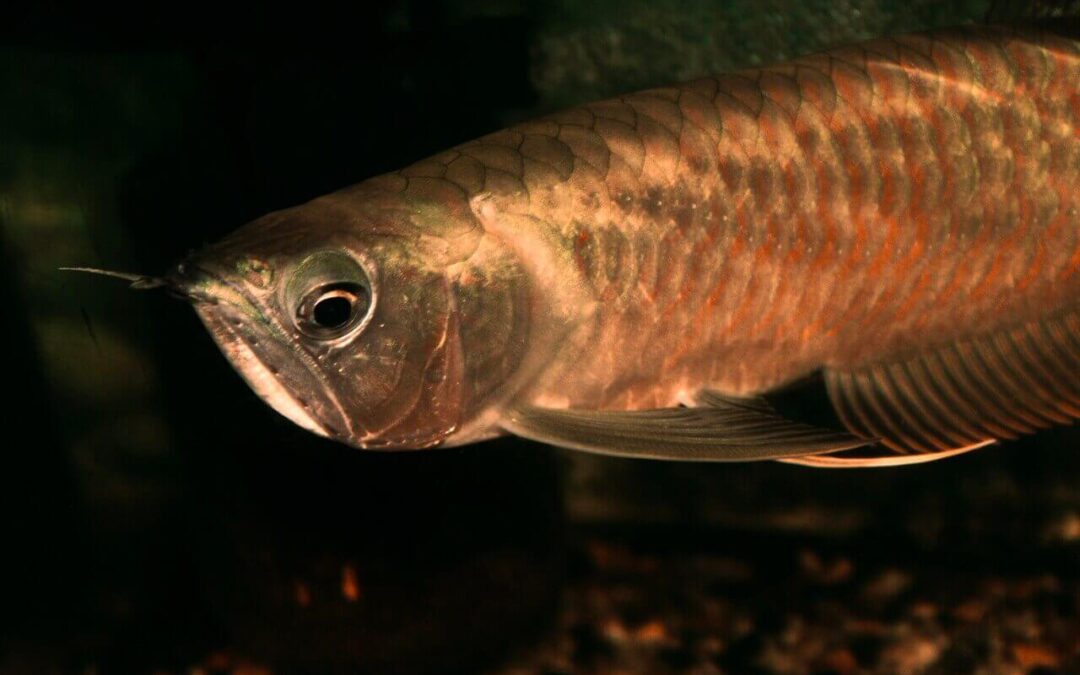
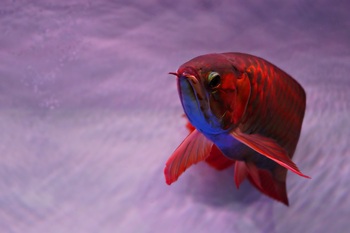
Arowanas look almost mythical. Their bodies are elongated and covered in large, metallic scales that can shimmer in silver, gold, or deep red tones depending on the species. Two barbels (whisker-like appendages) extend from their lower jaw, giving them a dragon-like appearance.
2. Surface Hunters
Unlike many fish that swim mid-water or near the bottom, arowanas prefer the surface. They are ambush predators, constantly scanning above the water for insects, small animals, or even birds.
3. Incredible Jumpers
One of the most impressive traits of an arowana is its ability to jump. In the wild, they can leap several feet into the air to catch prey. This is why aquarium owners must always use tight-fitting lids.
4. Size and Lifespan
Arowanas grow big, really big. Most species can reach:
- 3 to 4 feet in length
- 20+ years in lifespan with proper care
They’re a long-term commitment, not a short hobby.
5. Facultative Air Breathing
Arowanas can survive in low-oxygen environments by gulping air from the surface. They use a specialized swim bladder to absorb oxygen, an adaptation that helps them thrive in slow-moving or stagnant waters.
Why Are Arowanas Called “Dragon Fish”?
The nickname “dragon fish” isn’t random, it comes from both their appearance and cultural significance.
Their shimmering scales resemble dragon armor, while their long bodies and flowing movement mimic how dragons are often depicted in Asian art.
In many Asian cultures, especially in countries like China and Malaysia, arowanas are believed to bring:
- Good luck
- Wealth and prosperity
- Protection from negative energy
Because of this, they’re often kept in homes or businesses as a symbol of success.
Popular Arowana Species
Not all arowanas are the same. Here are two of the most well-known types:
Asian Arowana (Scleropages formosus)
This is the most prized and expensive variety. Known for its vibrant red, gold, or green coloration, it’s often associated with wealth and status.
However, it’s also endangered and heavily regulated. Ownership is restricted in many countries, and legally sold specimens are usually microchipped and certified.
Silver Arowana (Osteoglossum bicirrhosum)
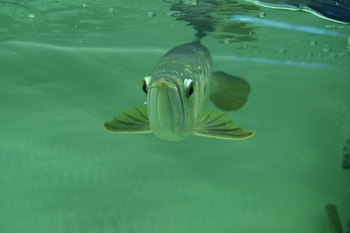
Native to the Amazon River, the silver arowana is more commonly available and relatively affordable compared to its Asian counterpart.
It has a sleek, silvery body and is famous for its dramatic jumping ability. This is the species most beginners encounter in the aquarium trade.
Arowana Behavior: What to Expect
Arowanas are not community fish. Their behavior can be described as:
- Solitary – They prefer to be alone
- Territorial – They may attack other fish
- Predatory – Smaller tank mates are often seen as food
They are also surprisingly intelligent. Many owners report that their arowanas recognize them and even respond during feeding time.
That said, they’re not cuddly pets. Their instincts are strong, and their size makes them dominant in any tank.
Aquarium Requirements for Arowanas
Owning an arowana is not for beginners. These fish require serious space, care, and investment.
Tank Size
Because of their size, arowanas need very large tanks:
- Minimum: 180 gallons
- Ideal: 250–300+ gallons
Long tanks are better than tall ones, as arowanas need room to swim horizontally.
Tank Setup
- Open swimming space (minimal clutter)
- Strong filtration system
- Tight, secure lid (to prevent jumping)
- Dim to moderate lighting
Water Conditions
- Temperature: 24–30°C (75–86°F)
- Slightly acidic to neutral pH
- Clean, well-maintained water
Diet
Arowanas are carnivores. Their diet can include:
- Small fish
- Insects (like crickets or mealworms)
- Shrimp and crustaceans
- Specially formulated pellets
A varied diet helps maintain their color and overall health.
Conservation and Legal Considerations
The popularity of arowanas, especially the Asian variety, has led to overfishing and habitat loss.
Because of this, the Asian arowana is protected under CITES (Convention on International Trade in Endangered Species). This means:
- Trade is strictly regulated
- Legal fish must come from certified breeders
- Documentation is required in many countries
If you’re considering owning one, it’s important to understand your local laws and ensure you’re buying responsibly.
Are Arowanas Good for Beginners?
Short answer: not really.
Arowanas are best suited for experienced aquarists because they:
- Require massive tanks
- Have strict care needs
- Can be aggressive
- Are expensive to maintain
However, for those willing to commit, they can be incredibly rewarding fish to keep.
More Interesting Facts and Insights About Arowanas
If you’re still curious about arowanas, there’s actually a lot more to these fish than just their looks and size. The deeper you learn about them, the more fascinating they become, especially when you start to notice their behavior and unique adaptations up close.
Arowanas Are Ancient “Living Fossils”
One of the coolest things about arowanas is their evolutionary history. They belong to a very old group of fish that dates back to the time of the dinosaurs, over 100 million years ago. Because of this, they’re often referred to as “primitive fish” or even living fossils.
Their body structure hasn’t changed much over time, which is why they look so different from most modern aquarium fish. That armored, plated look? It’s not just for show, it’s part of a design that has survived for millions of years.
They Have Surprisingly Strong Personalities
Arowanas aren’t just passive swimmers. Many owners notice that their fish develop distinct personalities over time. Some become bold and curious, swimming up to the glass when they see their owner. Others may be more cautious or even slightly aggressive during feeding.
It’s not uncommon for an arowana to:
- Recognize feeding times
- Follow movement outside the tank
- React to specific people
While they’re not “interactive” in the way mammals are, they’re definitely more aware than many people expect from a fish.
Color Changes Can Reflect Health and Mood
One subtle but interesting trait is how their coloration can shift depending on their condition. Healthy arowanas often display brighter, more vibrant scales, especially in prized varieties like red or gold types.
However, stress, poor water quality, or improper diet can dull their colors. In some cases, you might notice:
- Fading or uneven coloration
- Loss of shine in scales
- Darkening due to stress
This makes them a bit like a “living indicator” of your aquarium’s condition.
They Can Be Trained (to an Extent)
Believe it or not, arowanas can be gently trained, especially when it comes to feeding. Some owners condition their fish to:
- Eat from their hand
- Jump for food (carefully and safely)
- Respond to specific feeding routines
This doesn’t mean they’ll perform tricks like a dog, but they can learn patterns and routines surprisingly well.
Just be cautious with jumping behaviors, while it’s impressive, it can also be risky if not controlled properly.
Arowanas and Tank Mates: A Delicate Balance
While arowanas are known for being aggressive, some experienced aquarists do keep them with tank mates. The key is choosing fish that are:
- Too large to be eaten
- Not overly aggressive
- Able to handle similar water conditions
Examples sometimes include large catfish, stingrays, or other robust species. Even then, there are no guarantees. Every arowana is different, and compatibility can change as they grow.
They Require More Than Just Space
A lot of people focus on tank size and yes, that’s important, but arowanas also need mental stimulation.
In the wild, they’re constantly hunting and exploring. In captivity, boredom can lead to stress or unusual behavior like:
- Glass surfing (swimming back and forth repeatedly)
- Refusing food
- Increased aggression
To keep them engaged, some owners:
- Vary their diet
- Rearrange tank decor occasionally
- Use floating objects (safely) to mimic natural environments
The Cost of Owning an Arowana
Buying the fish is just the beginning. Arowanas are considered a “premium” aquarium species not just because of their price, but because of their upkeep.
Here are some ongoing considerations:
- Large tanks = higher electricity and maintenance costs
- Strong filtration systems
- Regular water changes
- High-quality, protein-rich food
For rare varieties, the fish itself can cost thousands of dollars. Even for more common types, the total setup can still be a serious investment.
A Symbol Beyond the Aquarium
For many people, owning an arowana isn’t just about fishkeeping, it’s also about meaning. In feng shui practices, the arowana is often placed in specific areas of a home or office to attract wealth and balance energy.
Some even believe that an arowana can “absorb” bad luck or negative energy, especially if it suddenly becomes ill. While this is more cultural belief than science, it shows just how deeply respected this fish is in different parts of the world.
FAQs About Arowanas
1. What makes arowanas special compared to other fish?
Arowanas stand out due to their size, metallic scales, and ability to jump out of the water. Their cultural symbolism and rarity also make them unique.
2. How big do arowanas get?
Most arowanas grow between 3 to 4 feet long, depending on the species and environment.
3. Can arowanas live with other fish?
Sometimes, but it’s risky. They may tolerate large, non-aggressive tank mates, but smaller fish are often eaten.
4. Why are arowanas so expensive?
Certain species, especially Asian arowanas, are rare, protected, and culturally valuable. Their price reflects demand, breeding difficulty, and legal restrictions.
5. Do arowanas really bring good luck?
This belief comes from cultural traditions, particularly in Asia. While not scientifically proven, many people keep them as symbols of prosperity.
6. How long do arowanas live?
With proper care, they can live 20 years or more, making them a long-term commitment.
7. Do arowanas need a lid on their tank?
Absolutely. They are powerful jumpers and can easily leap out of an open tank.
Final Thoughts
Arowanas are not just fish, they’re living works of art with a history that stretches back millions of years. From their dragon-like appearance to their powerful hunting instincts, they command attention wherever they are kept.
But they’re also a serious responsibility. Their size, behavior, and care requirements mean they’re best suited for dedicated aquarists who are ready to invest time, space, and effort.
If you’re up for the challenge, owning an arowana can be one of the most rewarding experiences in the aquarium world.