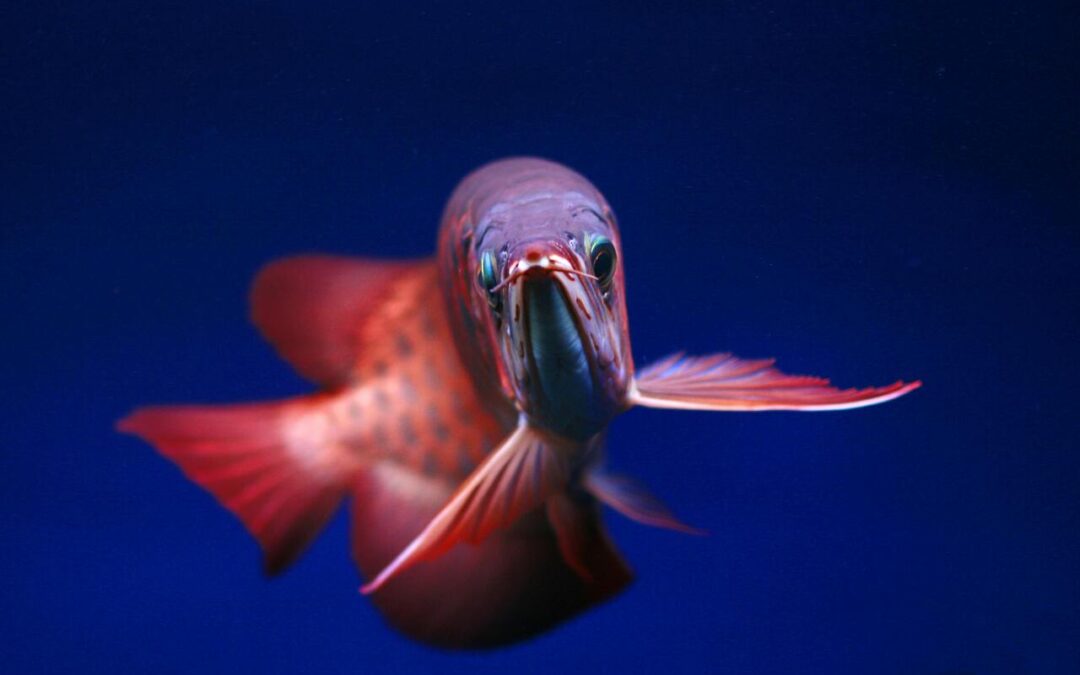
Arowanas are some of the most fascinating freshwater fish in the world. With their long, sleek bodies, metallic scales, and powerful jumps, they almost feel mythical like something straight out of a legend. But despite their “dragon-like” appearance, arowanas are very real, and their natural habitats are just as interesting as their looks.
So, where do arowanas actually live in the wild? The short answer: they are tropical freshwater fish found in slow-moving rivers, flooded forests, and swampy regions across multiple continents. But there’s a lot more to the story than that.
Let’s explore their natural environment, where different species are found, and why these habitats suit them so perfectly.
Arowanas in the Wild: A Quick Overview
According to experts, arowanas are native to South America, Southeast Asia, Northern Australia, and parts of Africa. Across these regions, they share one key preference: warm, calm freshwater environments with lots of cover and food sources.
Unlike fast-swimming river fish, arowanas prefer waters that move slowly. These environments allow them to hunt effectively and conserve energy while staying near the surface.
Key Locations Where Arowanas Live
1. South America (Silver and Black Arowana)
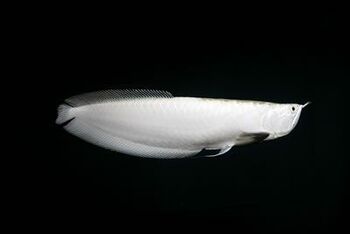
South America is home to some of the most well-known species, especially the Silver Arowana and Black Arowana. These fish are commonly found in the vast Amazon River Basin, as well as river systems like the Rupununi and Essequibo.
What makes this region ideal?
- Seasonal flooding creates flooded forests
- Dense vegetation provides shade and shelter
- Abundant prey like insects, small fish, and even small animals
During the rainy season, rivers overflow into surrounding forests. Arowanas take full advantage of this, swimming through submerged trees and hunting among branches. It’s one of the reasons they’ve earned the nickname “water monkeys.”
2. Southeast Asia (Asian Arowana / Dragon Fish)
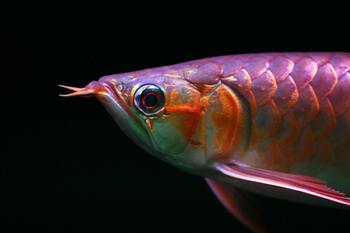
In countries like Indonesia, Malaysia, Thailand, Cambodia, and Vietnam, you’ll find the famous Asian Arowana, often called the dragon fish.
These arowanas typically live in:
- Peat swamp forests
- Slow-moving jungle streams
- Dark, tannin-rich “blackwater” environments
These waters are often soft, acidic, and stained brown from decaying plant matter. While this might seem harsh, it’s exactly what Asian arowanas are adapted to.
One important thing to note:
The Asian arowana is classified as endangered and is protected under CITES Appendix I, meaning wild populations are strictly regulated and conservation is a big concern.
3. Northern Australia and New Guinea (Australian Arowana)
In Northern Australia and nearby regions of New Guinea, arowanas live in:
- Rivers
- Billabongs (isolated waterholes)
- Freshwater lagoons
Species like the Northern Spotted Arowana thrive in these habitats, which can vary between wet and dry seasons.
These environments are often:
- Warm year-round
- Rich in insect life
- Subject to seasonal water level changes
Despite the differences in geography, the core habitat features remain consistent: slow water, warmth, and plenty of food.
4. Africa (African Arowana)
Less commonly discussed, the African Arowana is found in river systems across West and Central Africa, including areas connected to the Nile and other major basins.
Interestingly, this species behaves slightly differently compared to its relatives. While still surface-oriented, African arowanas are more omnivorous and often feed on plant material as well.
What Makes the Perfect Arowana Habitat?
No matter where they live, arowanas share similar environmental preferences. These conditions are key to their survival:
1. Warm, Tropical Water
Arowanas thrive in temperatures typically between 24°C to 30°C (75°F to 86°F). Cold water slows them down and can be harmful.
2. Slow-Moving or Still Water
They prefer calm environments like:
- Swamps
- Floodplains
- Backwaters
Fast currents make it harder for them to stay near the surface and hunt.
3. Shaded Areas with Vegetation
Overhanging trees and submerged roots are essential. These provide:
- Protection from predators
- Ambush points for hunting
- A steady supply of falling insects
4. Soft, Slightly Acidic Water
Especially in Southeast Asia, many arowanas live in blackwater habitats, where decaying leaves release tannins that soften and acidify the water.
Arowana Behavior in Their Natural Habitat
Arowanas are surface-dwelling predators, meaning they spend most of their time near the top of the water.
One of their most famous traits is their ability to jump, sometimes over 6 feet high to catch prey like insects, birds, or small animals above the water. This unique behavior is why they’re often called:
- Water monkeys
- Dragon fish
Their upward-facing mouths and powerful bodies are perfectly designed for this kind of hunting.
They are also highly territorial and usually prefer to live alone, especially as adults.
Why Their Habitat Matters (Especially for Aquarists)
Understanding where arowanas live in the wild is incredibly important if you’re planning to keep one in an aquarium.
Replicating their natural conditions such as:
- Warm water
- Gentle flow
- Plenty of swimming space
- Surface access
…can make a huge difference in their health and behavior.
Many issues in captivity happen when their environment doesn’t match their natural habitat.
Conservation and Protection
While some arowana species are still relatively widespread, others especially the Asian arowana, face serious threats from:
- Habitat destruction
- Illegal wildlife trade
Because of this, international regulations like CITES Appendix I strictly control their trade. Most Asian arowanas in aquariums today are captive-bred and microchipped for tracking and conservation purposes.
Extra Insights and Interesting Facts About Arowana Habitats
One fascinating detail about where arowanas live is how closely their environment shapes their physical abilities. For example, their famous jumping skill isn’t just for show, it’s a direct adaptation to life in dense, forested waterways. In flooded forests, insects, spiders, and even small vertebrates often rest on low branches. Arowanas have evolved powerful muscles and excellent vision to spot and launch themselves at prey above the water’s surface. Some observations even suggest they can accurately track moving prey before leaping, which is pretty impressive for a fish.
Another interesting fact is how seasonal changes affect their habitat. In places like the Amazon, water levels can rise dramatically during the rainy season, expanding rivers into massive flooded areas. This creates a temporary “playground” full of food and hiding spots. When the dry season returns, arowanas move back into deeper channels. This constant shift means they are highly adaptable, able to navigate both open waters and tight, root-filled environments.
Also, the dark “blackwater” habitats found in Southeast Asia aren’t just visually unique, they actually help protect arowanas. The murky water reduces visibility, giving them an advantage over both predators and prey. It’s a reminder that what might look like a harsh or unusual environment is actually perfectly suited for these iconic fish.
FAQs About Where Arowanas Live
1. Do arowanas live in saltwater or freshwater?
Arowanas are strictly freshwater fish. They do not live in saltwater environments.
2. What kind of rivers do arowanas prefer?
They prefer slow-moving rivers, floodplains, and swamps, rather than fast-flowing streams.
3. Are arowanas found in the Amazon River?
Yes, species like the Silver Arowana are commonly found in the Amazon River Basin, especially in flooded forests.
4. Why do arowanas live near the surface?
They are surface predators that hunt insects and animals above the water, making the surface the best feeding zone.
5. Can arowanas survive in cold water?
No. Arowanas require warm tropical temperatures and can become stressed or sick in cold conditions.
6. Is the Asian arowana endangered?
Yes. The Asian arowana is endangered and protected under CITES Appendix I, making wild capture and trade highly restricted.
7. What is a blackwater habitat?
Blackwater refers to water that is dark and acidic due to decaying plant material, commonly found in Southeast Asian forests.
Final Thoughts
Arowanas are not just beautiful fish, they are perfectly adapted to some of the most unique freshwater ecosystems on Earth. From the flooded forests of South America to the dark swamps of Southeast Asia, their habitats shape everything about how they look, move, and behave.
If there’s one thing to remember, it’s this: where arowanas live is just as impressive as the fish themselves. Understanding their natural world helps us appreciate them more and care for them better, whether in the wild or in an aquarium.