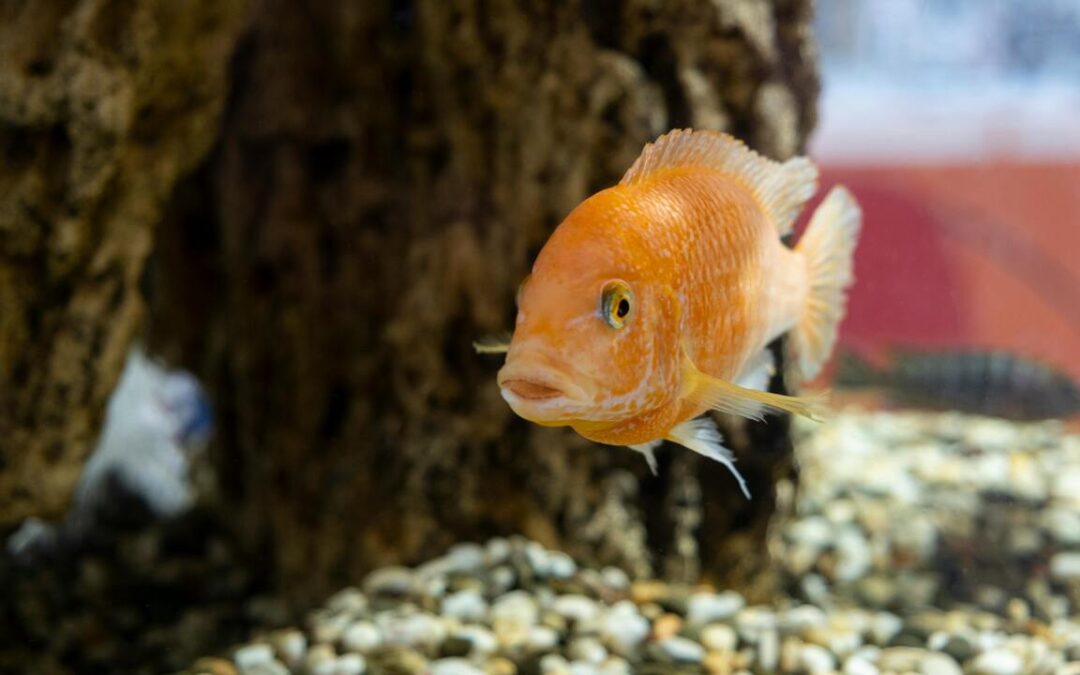
If you’re keeping cichlids, one of the most exciting moments is realizing your fish might be about to reproduce. But here’s the thing—cichlids don’t actually get “pregnant” like mammals. Instead, females become gravid (carrying eggs) or, in some species, mouthbrooders that carry eggs or fry inside their mouths.
This can make things a bit confusing, especially for beginners. So how can you tell if your cichlid is “pregnant”? Let’s break it down in a simple, practical, and human way—just like you’d observe it in your own tank.
Understanding Cichlid Reproduction (Quick Overview)
Before jumping into the signs, it helps to understand what’s happening biologically.
Based on general aquarium guidance, female cichlids go through two main stages:
- Gravid (Egg-Carrying Stage): The female develops and carries eggs internally.
- Holding Stage (Mouthbrooders): After fertilization, she carries eggs or fry in her mouth for protection.
Not all cichlids are mouthbrooders—some are substrate spawners—but many popular ones (like African cichlids) are.
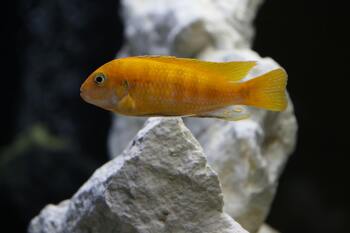
Physical Signs of a Gravid (Egg-Carrying) Cichlid
These are the earliest clues you’ll notice.
1. Swollen or Rounded Belly
One of the most obvious signs is a visibly enlarged belly.
- The stomach looks fuller and rounder than usual
- The swelling is more symmetrical (not lopsided like illness)
- It becomes more noticeable as spawning approaches
Tip: Compare her with other females in the tank. The difference becomes easier to spot.
2. Protruding Vent (Genital Papilla)
Near the anal fin, you may see a small tube-like structure called the vent.
- It becomes more visible and slightly pointed
- This is a strong sign she’s ready to lay eggs soon
This is one of the most reliable indicators if you’re observing closely.
3. Color Changes
Female cichlids often become more vibrant or darker.
- Colors may intensify
- Some species show darker markings or patterns
- Fins may appear more vivid
This isn’t just for looks—it’s part of breeding behavior.
Behavioral Signs of a “Holding” Cichlid (Mouthbrooders)
Once fertilization happens, things get even more interesting.
4. Enlarged Throat or Mouth
If your cichlid is a mouthbrooder, you’ll notice:
- A bulging throat area
- The mouth may look slightly open or stretched
- Sometimes darker shading under the jaw
This is because she’s carrying eggs or fry inside her mouth.
5. Refusing Food
This is a big one.
- She may stop eating completely
- This can last 2 to 4 weeks
- Even her favorite food gets ignored
At first, it might worry you—but it’s completely normal for holding females.
6. Hiding or Becoming Reclusive
A holding female often becomes more cautious.
- Hides in caves, corners, or behind decorations
- Avoids other fish
- Stays still more often
This behavior protects her and the developing fry from stress or aggression.
7. “Chewing” Motion
You might notice something unusual:
- A repetitive mouth movement
- Looks like she’s chewing with nothing inside
This is actually her rotating the eggs to keep them oxygenated and clean.
Gravid vs. Sick: Don’t Confuse the Signs
This is important—because a swollen belly doesn’t always mean breeding.
It might NOT be pregnancy if:
- She is still eating heavily
- The swelling looks uneven
- Scales are sticking out (pinecone look)
- She appears lethargic or stressed
These could indicate bloat or illness, not eggs.
Rule of thumb:
👉 A gravid or holding female usually looks healthy and behaves purposefully—even if she’s not eating.
Tips for Caring for a “Pregnant” (Gravid or Holding) Cichlid
Once you’re confident she’s carrying eggs or fry, proper care makes a big difference.
1. Consider Separating the Female
Moving her to a breeding tank can help:
- Protect her from aggressive tank mates
- Increase survival rate of the fry
- Reduce stress
Make sure the tank conditions match the main aquarium.
2. Be Patient With Feeding
If she’s holding:
- Don’t force feeding
- She will eat again after releasing the fry
- Fasting during this stage is normal
3. Decide Whether to Strip or Not
Some experienced hobbyists “strip” the eggs or fry manually.
- Usually done after 10–14 days
- Helps the female recover faster
- Requires skill and experience
If you’re new, it’s better to let nature take its course.
4. Prepare for Fry
Once she releases the babies:
- Have a safe space ready
- Use fine food like crushed flakes or baby brine shrimp
- Keep water conditions stable
Watching fry grow is one of the most rewarding parts of fishkeeping.

Final Thoughts
Telling if a cichlid is “pregnant” isn’t about spotting a baby bump like in mammals—it’s about observing subtle physical and behavioral changes.
From a swollen belly to refusing food and hiding behavior, each sign tells part of the story. With a little patience and observation, you’ll quickly learn to recognize when your cichlid is preparing to bring new life into your tank.
And honestly? Once you notice it for the first time, it becomes much easier the next time around.
FAQs
1. How long do cichlids carry eggs?
Most cichlids carry eggs for about 2 to 4 weeks, especially mouthbrooders.
2. Do all cichlids hold eggs in their mouth?
No. Some are mouthbrooders, while others are substrate spawners that lay eggs on surfaces like rocks.
3. Can a swollen belly mean something else?
Yes. It could be overfeeding or bloat. If the fish is still eating and acting unusual, monitor closely.
4. Should I isolate a holding female?
It’s recommended, especially in community tanks, to protect her and the fry from stress and aggression.
5. Why is my cichlid not eating?
If she’s holding eggs or fry, this is completely normal and can last several weeks.
6. How many babies can a cichlid have?
Depending on the species, a female can produce dozens to over 100 fry in one breeding cycle.