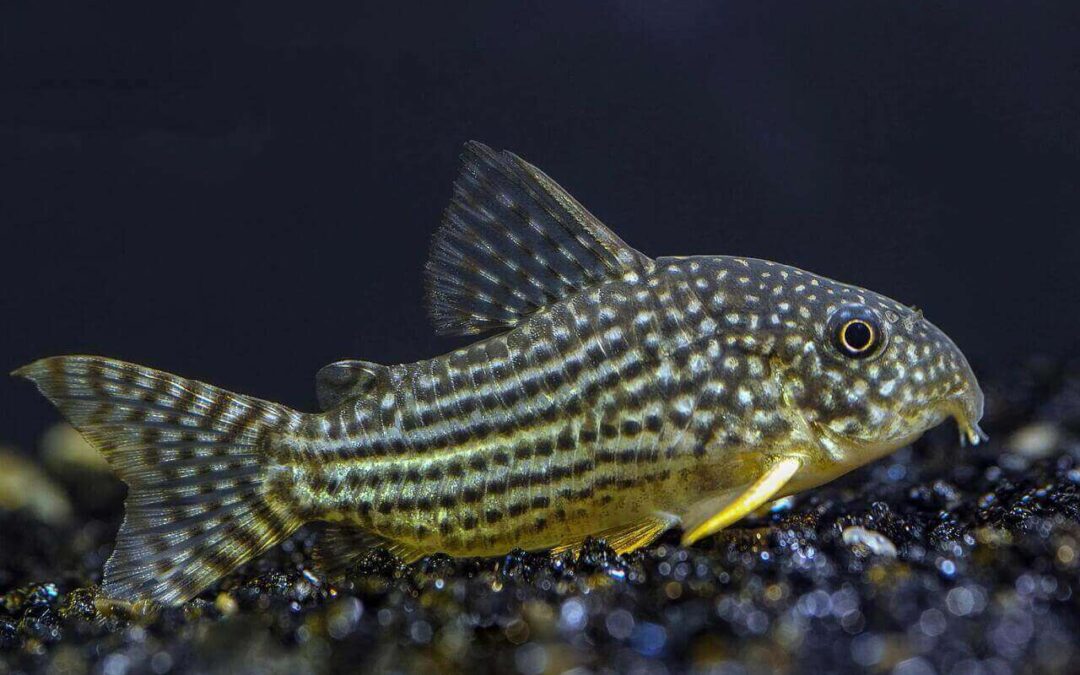
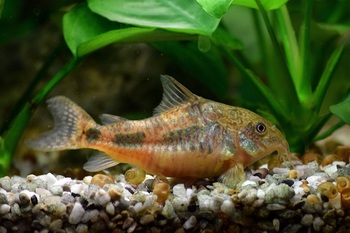
Corydoras catfish are some of the most lovable fish you can keep in a freshwater aquarium. With their playful behavior, peaceful nature, and constant scavenging along the substrate, they bring life to the bottom of your tank. But one common mistake many aquarists make is assuming these fish can survive on leftovers alone.
While Corydoras do eat uneaten food, they cannot thrive without a proper, targeted diet. If you want healthy, active, and long-living Corys, understanding what to feed them is essential.
In this guide, we’ll break down everything you need to know, so you can confidently feed your Corydoras the right way.
Understanding Corydoras Diet
Corydoras are omnivorous bottom-feeders, meaning they eat both plant and animal matter. In the wild, they forage through sand and substrate looking for:
- Small insects
- Worms
- Organic debris (detritus)
- Tiny crustaceans
According to general aquarium guidance, Corydoras thrive best on a varied diet rich in protein, supplemented with plant-based nutrients.
👉 Important: Just because they scavenge doesn’t mean they get enough food. In a community tank, faster fish often eat everything before it reaches the bottom.

Best Foods for Corydoras
To keep your Corydoras in top condition, you should provide a mix of the following food types:
1. Sinking Pellets & Wafers (Staple Food)
This should be the foundation of their diet.
Sinking foods are specially designed to reach the bottom quickly, ensuring your Corydoras can access them. Look for:
- Bottom feeder tablets
- Shrimp pellets
- Algae wafers (occasionally)
Popular brands include Hikari sinking wafers and Fluval Bug Bites bottom feeder formula.
✔ Why they’re important:
- Nutritionally balanced
- Easy to portion
- Designed specifically for bottom feeders
2. Frozen and Live Foods (Protein Boost)
For optimal health and natural behavior, supplement their diet with high-protein treats:
- Bloodworms
- Brine shrimp
- Daphnia
- Tubifex worms
These foods closely mimic what Corydoras eat in the wild.
✔ Benefits:
- Enhances coloration
- Encourages breeding behavior
- Provides essential protein
💡 Tip: Feed these 2–3 times per week rather than daily to avoid overfeeding.
3. Flake Food (Occasional Supplement)
While Corydoras are bottom feeders, they may occasionally grab flakes that sink.
However, flakes should not be their primary diet, especially in tanks with fast swimmers like tetras or guppies.
4. Vegetables (Occasional Treat)
Yes, Corydoras can eat vegetables!
Try offering:
- Blanched zucchini
- Spinach
- Cucumber slices
✔ Why include veggies:
- Adds fiber
- Supports digestion
- Provides variety
Just make sure to remove uneaten portions after a few hours to prevent water pollution.
Feeding Tips for Corydoras
Feeding Corydoras isn’t just about what you give them, it’s also about how you feed them.
1. Target Feeding Matters
In community tanks, food often disappears before it reaches the bottom. To fix this:
- Drop sinking pellets directly where Corydoras are
- Use feeding tongs if needed
This ensures they actually get their share.
2. Feed at the Right Time
Corydoras are most active during:
- Dusk
- Nighttime
- Low-light conditions
💡 Try feeding them after turning off the tank lights so they can eat without competition.
3. Don’t Overfeed
Corydoras have small stomachs, so only feed what they can finish in 2–3 minutes.
Overfeeding can lead to:
- Poor water quality
- Bacterial issues
- Uneaten food buildup
4. Rotate Their Diet
Just like humans, Corydoras benefit from variety.
A good weekly rotation might look like:
- Pellets (daily staple)
- Frozen foods (2–3 times a week)
- Vegetables (once a week)
Signs Your Corydoras Are Well-Fed
Not sure if you’re feeding enough? Look for these signs:
✔ Active and constantly foraging
✔ Smooth, slightly rounded belly
✔ Bright coloration
✔ Social behavior with other Corys
🚫 Warning signs of poor feeding:
- Sunken belly
- Lethargy
- Hiding excessively
- Competing aggressively for food
Common Feeding Mistakes to Avoid
Even experienced fishkeepers make these mistakes:
❌ Assuming leftovers are enough
Corydoras need dedicated food, leftovers won’t cut it.
❌ Feeding only flakes
Flakes rarely reach the bottom effectively.
❌ Overfeeding protein foods
Too much can pollute water quickly.
❌ Ignoring competition
Tank mates like barbs or danios may outcompete them.
Final Thoughts
Feeding Corydoras properly is one of the easiest ways to improve their health and lifespan. While they’re often labeled as “clean-up crew,” they are not janitors, they’re active fish with real nutritional needs.
As highlighted in many aquarium guide, the key is simple:
👉 Provide a varied diet of sinking pellets, protein-rich foods, and occasional vegetables.
Do that consistently, and your Corydoras will reward you with energetic behavior, strong health, and even the possibility of breeding.
FAQs About Feeding Corydoras
1. Do Corydoras eat leftover fish food?
Yes, but they should not rely on leftovers alone. They need their own sinking food to stay healthy.
2. How often should I feed Corydoras?
Feed them once or twice daily, in small portions they can finish within 2–3 minutes.
3. Can Corydoras eat only pellets?
They can survive on pellets, but they thrive on a varied diet that includes frozen or live foods.
4. Do Corydoras eat algae?
Not really. They may nibble on it, but they are not effective algae eaters like some other fish.
5. What is the best food for Corydoras?
The best diet includes:
- Sinking pellets (daily staple)
- Bloodworms or brine shrimp (protein boost)
- Occasional vegetables
6. Can Corydoras eat vegetables every day?
No. Vegetables should be an occasional supplement, not a daily staple.
7. Why are my Corydoras not eating?
Possible reasons include:
- Stress
- Poor water quality
- Food not reaching the bottom
- Competition from other fish
8. Should I feed Corydoras at night?
Yes, feeding at night or in low light helps them eat more comfortably, especially in busy community tanks.