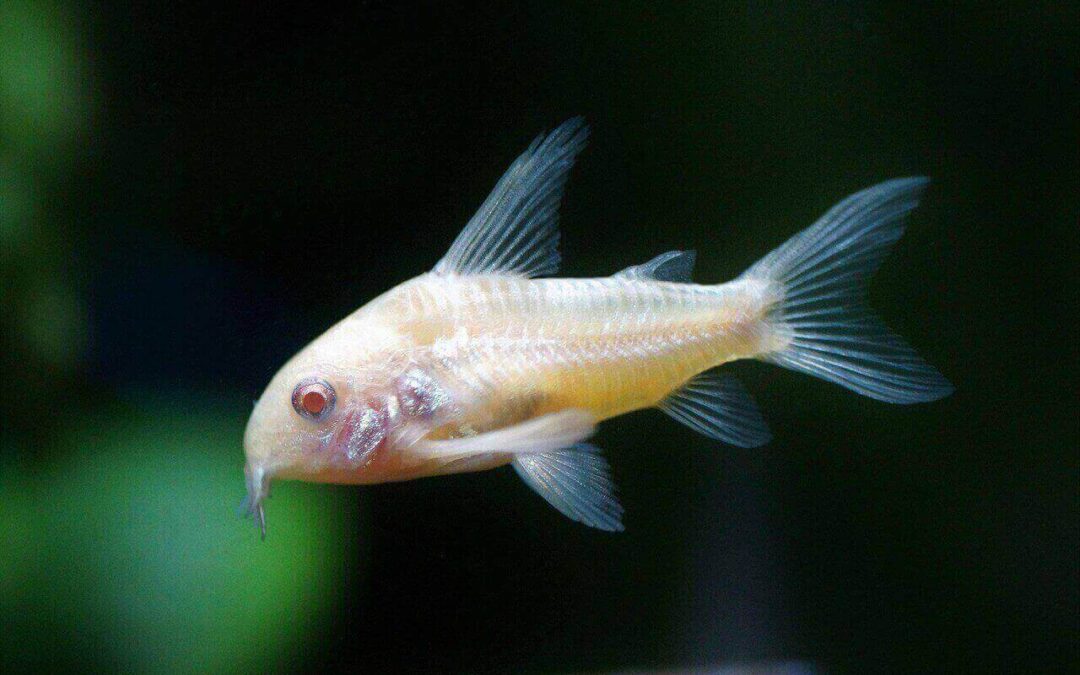
Corydoras catfish are among the most popular freshwater aquarium fish. They are peaceful, playful, and help keep tanks clean. But where do these interesting fish live before they end up in our aquariums?
Knowing where Corydoras come from helps fishkeepers take better care of them and create tanks that feel like home. These fish have adapted to many places in South America, from gentle streams to riverbeds full of leaves.
Let’s take a closer look at where Corydoras live in the wild and what makes their homes special.
Where Do Corydoras Catfish Come From?
Corydoras catfish are native to South America, where they inhabit freshwater systems stretching from Argentina in the south to the Caribbean coast in the north. They can be found throughout major river basins, including parts of the Amazon, Orinoco, and Paraná, as well as numerous smaller tributaries.
There are more than 170 types of Corydoras, and they live in many places. However, most of them prefer similar environments.
In the wild, Corydoras often live in shallow, slow-moving streams, flooded forests, marshes, oxbow lakes, and small side rivers. These areas have soft bottoms and abundant natural debris, which makes them suitable for feeding.
The Water Conditions of Their Natural Habitat
Corydoras thrive in aquariums because they are used to a wide range of water conditions in the wild.
Most species inhabit waters that are:
- Slightly acidic to neutral (pH 6.0–7.5)
- Soft to moderately hard
- Rich in organic material
- The water in their natural homes often looks brownish because of tannins from decaying leaves and wood.
Water temperature varies by species and where they live. Most tropical Corydoras are found in waters with temperatures between:
- d20°C to 28°C (68°F to 82°F)
Some types that come from cooler southern regions or higher mountains can live in much colder water.
Seasonal flooding matters a lot for Corydoras. When it rains heavily, rivers spill into forests and floodplains, giving these fish more places to find food and shelter.
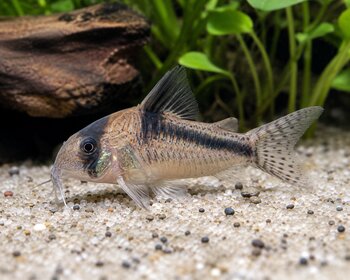
Soft Sand: The Perfect Riverbed for Corydoras
The riverbed plays a big role in the natural home of Corydoras.
Wild Corydoras spend much of their day searching for food along the bottom. Their habitats typically contain:
- Fine sand
- Soft mud
- Small smooth pebbles
- Decaying leaf litter
These soft riverbeds let Corydoras use their sensitive barbels safely as they dig and search for food. If you’ve seen a Corydoras push its nose into the sand and spit out bits, that’s the same behavior they show in the wild.
Sharp gravel is uncommon where Corydoras live in the wild, so many experienced fishkeepers recommend using sand in your aquarium.
Shelter and Cover in the Wild
While many aquariums have lots of plants, the places where Corydoras live in the wild often look very different.
Instead of dense underwater gardens, wild environments commonly include:
- Detached branches
- Driftwood
- Submerged tree roots
- Thick layers of leaves
- Overhanging vegetation
These natural features help protect Corydoras from predators and give them shady spots to rest and look for food.
Leaf litter is especially important. As leaves break down, they attract small creatures and insect larvae, providing Corydoras with plenty to eat.
What looks messy to us is actually the perfect home for Corydoras. One of the most interesting things about these fish is how social they are.
In the wild, they rarely live alone.
Researchers have seen Corydoras gather in groups of a few dozen, several hundred, or even thousands.
Living in large groups provides several advantages:
- Better protection from predators
- Increased foraging efficiency
- Enhanced breeding opportunities
- Decreased stress levels
This is why keeping only one or two Corydoras in a tank often makes them shy or less active.
Most Corydoras feel safest when they are in groups of at least six, and even larger groups are better.
A Unique Adaptation: Air Breathing
Corydoras have a unique ability to breathe air from the water’s surface. Many of their native waters experience periods of low oxygen, especially during hot weather or in stagnant floodplain pools.
To survive in water with little oxygen, Corydoras have developed a special way to get air. They swim up to the surface from time to time, gulp air, and absorb oxygen through special parts of their intestines. This is completely normal, and you can often see healthy Corydoras in aquariums doing this.
In the wild, this skill lets Corydoras live in places where other fish might struggle.
What Do Corydoras Eat in Nature?
Corydoras are bottom feeders and eat almost anything they can find.
As they sift through sand and debris, they search for:
- Insect larvae
- Small worms
- Tiny crustaceans
- Organic detritus
- Plant matter
- Microorganisms
Even though many people believe it, Corydoras are not just “clean-up fish.”
In the wild, Corydoras spend their days searching for food, using their barbels to find things hidden in the sand or mud.
By constantly searching for food, Corydoras help keep their environment healthy by breaking down and recycling organic material.
How to Recreate a Corydoras Natural Habitat in an Aquarium
If you want your Corydoras to behave naturally, try to make your aquarium as close as possible to their wild home. Primary factors include:
Fine Sand Substrate
Soft sand allows safe digging and natural foraging.
Driftwood and Roots
These provide your fish with places to hide and help the tank feel more like their natural home.
Leaf Litter
Indian almond leaves and similar plants can help you recreate the natural conditions Corydoras enjoy.
Gentle Water Flow
Avoid strong water currents unless your Corydoras species comes from fast-moving waters.
Group Living
Keep at least six Corydoras together so they feel safe and comfortable.
Stable Water Quality
Keep the water clean and make sure there is enough oxygen to keep your Corydoras healthy.
When you provide these conditions, your Corydoras will usually be more active, confident, and enjoyable to watch.
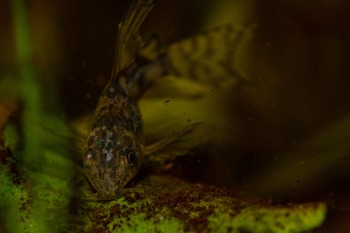
Bringing the Wild Home: Understanding and Replicating Corydoras’ Natural Habitat
Appreciating the natural habitat of Corydoras means paying attention to the small details that make their world unique. For example, the gentle sound of leaves and sunlight on the riverbed shape their daily lives. In the wild, Corydoras share their home with many types of fish, insects, amphibians, and aquatic plants, which influences how they behave and interact.
One interesting thing about Corydoras is how playful and social they are when looking for food. Groups of them often explore together, stirring up the sand as they search for something to eat. Their sense of community goes beyond feeding. These fish communicate with gentle body movements and even make faint clicking sounds, especially when interacting or spawning. Many aquarists enjoy watching these behaviors in a tank that closely matches their natural home.
Another fascinating thing is how Corydoras adapt to changes in the seasons. During the rainy season, their world changes a lot. Flooded forests become huge playgrounds with new hiding spots, fresh food, and more chances to find mates. These changes encourage natural breeding and let young Corydoras grow up safely in shallow, food-rich water. You can create a similar feeling in your aquarium by adjusting water levels or simulating rain, which can help your fish show even more natural behaviors.
Finally, remember that Corydoras are not just survivors—they also help keep their environment healthy. By always sifting and stirring the bottom, they break down organic matter and recycle nutrients, which helps keep the water balanced. Seeing Corydoras in your tank or in the wild is a good sign of a healthy ecosystem.
By remembering these details, aquarists can connect better with their fish and give Corydoras a home where they truly thrive.
FAQs About Corydoras Natural Habitat
What is the natural habitat of Corydoras catfish?
Corydoras naturally inhabit freshwater streams, tributaries, marshes, flooded forests, and river systems throughout South America. They prefer shallow waters with soft sandy or muddy bottoms.
Do Corydoras live in the Amazon River?
Many Corydoras species are found within the Amazon Basin and its tributaries. However, their range stretches beyond the Amazon to other South American river systems.
Why do Corydoras need sand?
In the wild, Corydoras sift through soft sand and mud as they search for food. Sand helps protect their delicate barbels and encourages natural feeding behavior.
Do Corydoras breathe air in the wild?
Yes. Corydoras can gulp air from the surface and absorb oxygen through their intestines. This adaptation helps them survive in low-oxygen environments.
Are Corydoras schooling fish?
Yes. Corydoras are highly social fish that naturally form large shoals. Keeping them in groups helps reduce stress and promotes natural behavior.
What temperature do Corydoras prefer in nature?
Most tropical species thrive in temperatures between 20°C and 28°C (68°F to 82°F), although some species from cooler regions can tolerate lower temperatures.
Do Corydoras live in heavily planted areas?
Not necessarily. While aquatic plants may be present, many wild habitats contain more leaf litter, driftwood, roots, and branches than dense underwater vegetation.
What do Corydoras eat in their natural habitat?
Their diet includes insect larvae, worms, small crustaceans, organic detritus, and microorganisms found within the substrate.
Final Thoughts
Corydoras live in more places than many fishkeepers might think. These small catfish are found in rivers, streams, marshes, and floodplains all across South America. They spend their days searching for food in soft sand and living in big groups.
Since they can handle many different conditions, breathe air, and get along well with other fish, Corydoras have become some of the most successful freshwater fish in the world.
When you understand where Corydoras come from and how they live in the wild, you can set up an aquarium where they will thrive.