If you’re thinking about keeping cichlids, one question almost always comes up: are cichlid fish aggressive?
Most cichlids tend to be aggressive and territorial, but their behavior can vary depending on the species, the tank setup, and the individual fish. Some are only mildly territorial, while others are among the most aggressive freshwater aquarium fish.
Cichlids are often seen as aggressive because they defend their territory, create social hierarchies, and become more protective during breeding. This can be a challenge for aquarium owners, but it also makes cichlids fascinating and rewarding to keep.
Let’s explore why cichlids behave this way and how you can keep your aquarium calm.
Why Are Cichlids Aggressive?
Unlike many community fish that simply share space, cichlids often view the aquarium as divided into territories. In the wild, defending a territory helps them find food, shelter, and breeding spots.
Territorial Instincts
Territorial behavior is a major reason cichlids act aggressively. Many species choose a spot in the tank and defend it firmly from other fish.
This territory might be:
- A cave
- A rock formation
- A piece of driftwood
- A sandy nesting area
- A favorite hiding spot
If another fish enters their territory, the cichlid may chase, nip, or attack to drive it away.
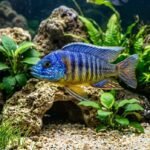
This behavior is especially common in African cichlids from Lakes Malawi and Tanganyika, where competition for territory is intense.
Societal Orders
Many cichlid species establish strict pecking orders.
Dominant fish usually claim the best spots and get first access to food and mates. To keep their position, they often challenge or intimidate others.
In African cichlid tanks, you’ll often see displays such as:
- Chasing
- Flaring fins
- Head shaking
- Mouth wrestling
- Short territorial battles
These behaviors might seem concerning, but they are usually normal social interactions.
Breeding and Parental Protection
Even cichlids that are usually calm can become much more aggressive during breeding.
Cichlids are known for being attentive parents. Many species guard their eggs, young, and nests with strong dedication.
When spawning occurs, a normally calm fish may suddenly:
- Chase tank mates
- Defend their nest very aggressively
- Attack fish much larger than itself
- Patrol a big part of the aquarium
This protective behavior increases the chances that their young will survive in the wild.
Are All Cichlids Aggressive?
Not necessarily.
One of the most interesting things about cichlids is their diversity. With over 1,700 recognized species, they make up one of the largest families of freshwater fish.
Aggression levels can vary widely between different cichlid species.
Relatively Peaceful Cichlids
Some species are considered beginner-friendly and generally less aggressive:
- Angelfish
- Keyhole Cichlids
- Bolivian Rams
- Kribensis
- Electric Blue Acara
These fish often do well in community tanks when paired with suitable tank mates.
Moderately Aggressive Cichlids
Many popular aquarium cichlids fall into this category:
- Firemouth Cichlids
- Blue Acara
- Severum
- Jewel Cichlids
- Some African Mbuna species
These fish require careful planning, but they can often live together if the tank is large enough.
Highly Aggressive Cichlids
Some cichlids are well known for being very aggressive and often need special tank setups.
Examples include:
- Jaguar Cichlid (Parachromis managuensis)
- Texas Cichlid (Herichthys cyanoguttatus)
- Green Terror (Andinoacara rivulatus)
- Convict Cichlid (Amatitlania nigrofasciata)
These species can become extremely territorial and may harm or even kill weaker tank mates if not kept in proper conditions.
Signs of Aggression in Cichlids
Recognizing normal cichlid behavior can help you notice when aggression is becoming a problem.
Typical signs include:
Chasing
The most common aggressive behavior. A dominant fish repeatedly pursues another fish around the tank.
Fin Nipping
This is the most common aggressive behavior. A dominant fish keeps chasing another fish around the tank.
Lip Locking
Two fish may lock mouths and push each other. It looks dramatic, but it’s usually just a way to decide who is in charge, not a real fight.
Color Changes
Many cichlids change color, becoming brighter or darker during territorial disputes.
Physical Injuries
If you notice torn fins, missing scales, or wounds, the aggression may be getting too serious.
How to Manage Cichlid Aggression
The good news is that you can often manage aggression with proper care and planning.
Provide Plenty of Space
One of the best ways to reduce aggression is to give your fish enough space by using a larger aquarium if possible.
When tanks are crowded, fish bump into each other more often, which leads to more territorial fights.
A larger aquarium allows each fish to claim its own space and helps them avoid fights.
In general, bigger tanks are almost always better for cichlids.
Break Lines of Sight
The decorations you choose can help control aggression, so consider your tank setup carefully.
Use:
- Rocks
- Driftwood
- Artificial caves
- Live plants
- Rock piles
These decorations create visual barriers, so dominant fish cannot always see or bother the others.
When fish cannot always see each other, aggression usually decreases significantly.
Stock Carefully
It is important to choose tank mates that get along, so match species carefully before adding new fish.
Avoid mixing:
- Extremely aggressive species with peaceful species
- Tiny fish with large predatory cichlids
- Fish with drastically different water requirements
Always check if new fish are compatible before adding them to your tank.
Consider Overstocking for African Cichlids
It may seem unusual, but sometimes keeping more African cichlids together can help, as long as you do it carefully.
When you keep a larger group of similar-sized fish, aggression is spread out instead of being focused on just one fish.
However, this method requires:
- Excellent filtration
- Frequent water changes
- Proper tank size
Only try this if you are experienced and know how to handle the extra work involved.
Use Dither Fish
Dither fish are fast, schooling fish that can distract aggressive cichlids and help calm the tank.
Their presence can:
- Reduce stress
- Encourage shy fish to come out
- Diffuse territorial focus
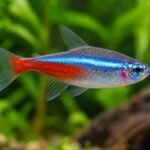
Common selections are larger tetras and certain barbs, depending on the cichlid species.
Rearrange Decorations
If aggression suddenly gets worse, try changing the tank layout to reset territories and lower conflict.
Moving rocks, caves, and driftwood basically resets the territories in the tank.
This makes all the fish start over, which often helps stop ongoing fights.
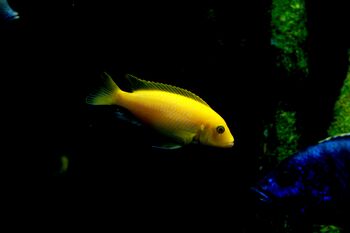
Why Some Hobbyists Love Aggressive Cichlids
Even though aggression can seem like a problem, many aquarists enjoy cichlids for their bold personalities.
Cichlids often:
- Recognize their owners
- Interact with people outside the tank
- Display complex social behaviors
- Display unique parenting instincts
- Show lively colors and fascinating intelligence
Their lively behavior makes them more interactive than most other freshwater fish.
The key is to understand and manage their natural instincts, rather than trying to eliminate them completely.
Final Thoughts
So, are cichlid fish aggressive? Most of the time, yes. Cichlids are naturally territorial and often form complex social groups. They can become even more aggressive when breeding, defending their space, or competing for dominance.
But aggression does not mean cichlids are always difficult to keep. With a large enough tank, good decorations, the right tank mates, and regular care, many cichlids can thrive in home aquariums without constant fighting.
Understanding cichlid behavior is the real secret to success. Once you know how they communicate and establish territories, you will see why these smart and colorful fish are so popular with aquarium owners.
Frequently Asked Questions
Are all cichlid fish aggressive?
No. While most cichlids have some territorial tendencies, species such as Bolivian Rams, Keyhole Cichlids, and Electric Blue Acaras are generally considered more peaceful than many African or Central American cichlids.
Which cichlid is the most aggressive?
There is no single winner, but Jaguar Cichlids, Texas Cichlids, Green Terrors, and Convict Cichlids are often considered among the most aggressive aquarium cichlids.
Can aggressive cichlids live together?
Yes, provided they have enough space, appropriate tank mates, plenty of hiding places, as well as a carefully planned aquarium setup.
Why did my peaceful cichlid suddenly become aggressive?
Breeding, territorial disputes, overcrowding, poor tank design, or the introduction of new fish can all trigger sudden aggression.
Do cichlids kill other fish?
In severe cases, highly aggressive cichlids may injure or kill weaker tank mates, especially if the aquarium is too small or does not have enough hiding places.
How can I reduce aggression in my cichlid tank?
Provide a larger aquarium, add caves and visual barriers, choose compatible tank mates, maintain good water quality, and consider rearranging decorations if conflicts arise.
Are African cichlids more aggressive than South American cichlids?
Generally, many African cichlids—especially Mbuna species—are known for stronger territorial behavior in comparison to several South American cichlid species, though exceptions exist in both groups.