
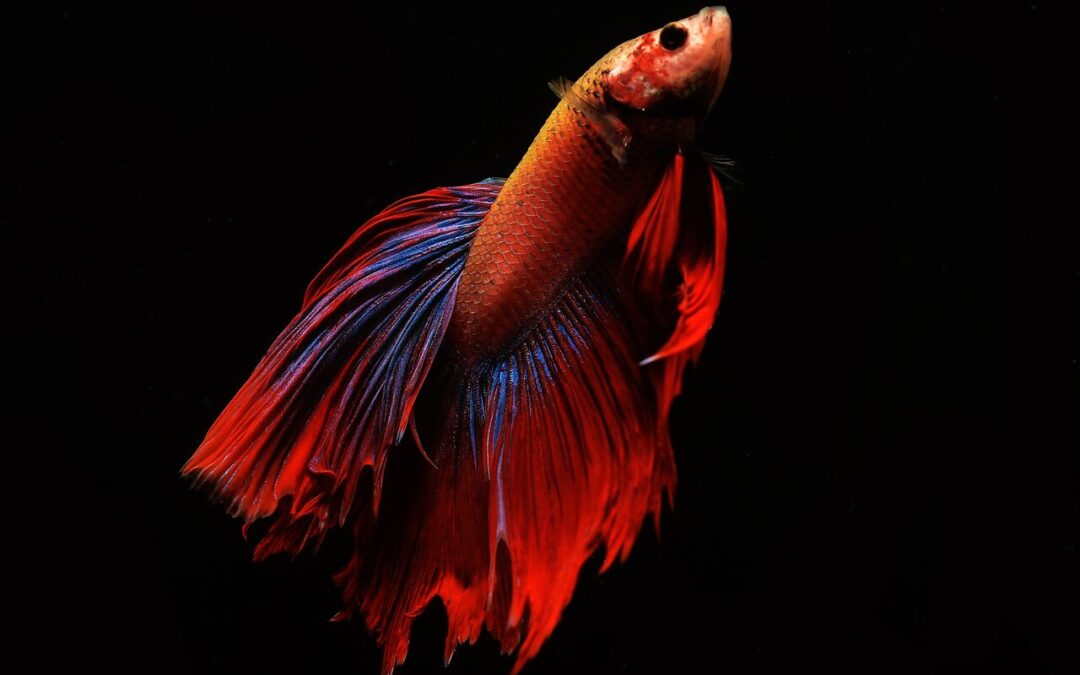
Betta fish are some of the most colorful freshwater fish you can keep. Most pet stores offer red, blue, turquoise, and white bettas, but there are many rare colors that dedicated hobbyists spend years trying to find.
Some of these rare color types are so hard to breed that they can sell for hundreds or even thousands of dollars. True solid purple and albino betta fish are often considered the rarest because of their complex genetics and the challenge of producing healthy fish with these traits. Other sought-after colors include solid black, solid green, and orange Dalmatian bettas, which are also uncommon in the aquarium trade.
If you want to know what makes these bettas so special, read on.
Why Are Some Betta Fish Colors So Rare?
Not all betta colors are equally easy to produce. Some are controlled by simple genetics, but others need several recessive genes to come together just right.
Selective breeding has enabled breeders to create wide new varieties over the years, but some colors remain very hard to achieve. Even skilled breeders might spend several generations working toward a single color pattern.
Multiple factors contribute to a betta’s rarity:
- Complex genetic combinations
- Low breeding success rates
- Difficulty keeping consistent coloration
- Limited numbers are produced each year
- High demand from collectors worldwide
For these reasons, the rarest bettas usually cost much more than standard varieties.
The Rarest Betta Fish Colors
Here’s a closer look at the colors that collectors hope to own.
1. Solid Purple Betta
A true, solid purple betta is often seen as the ultimate goal for betta breeders.
Many fish marketed as purple actually display a mix of blue, red, or lavender, depending on the lighting. A genuine, solid purple betta maintains an even violet coloration across its body and fins without obvious color blending.
It is very hard to produce this color consistently because several pigment genes need to work together exactly right.
Because of this, real solid purple bettas are extremely rare and highly valued.
2. Albino Betta
Albino bettas are considered even rarer than solid purple ones.
Unlike white bettas, albino bettas completely lack melanin pigment. They typically have:
- Pure white bodies
- Pink or reddish eyes
- Very pale fins
- Increased light sensitivity
Since the albino gene is rare and commonly connected to health problems, very few true albino bettas survive to adulthood or are offered for sale.
Collectors might wait years before finding a real albino betta.
3. Solid Black Betta
Black bettas might look common at first, but true solid-black ones are actually very hard to breed.
Many so-called “black” bettas actually show hints of blue, brown, green, or a metallic shine when seen under bright light.
A genuine, solid black betta displays:
- Deep velvet-black coloration
- No lustrous scales
- Uniform coloring from head to tail
Maintaining this deep black color across several generations remains one of the toughest challenges for breeders.
4. Solid Green Betta
Green is another elusive color.
Although many turquoise bettas appear green under particular lighting, genuinely solid green bettas display a rich emerald coloration across the body.
As the fish grows, the green often turns more blue, making it hard to maintain a stable green line.
Because of this, pure green bettas are rarely found outside of specialized breeding programs.
5. Orange Dalmatian Betta
Orange bettas are not especially rare, but the Orange Dalmatian pattern is very uncommon.
These bettas feature:
- Bright orange bodies
- Distinct black spots
- Random speckled pattern
- Clean contrast between colors
Each Orange Dalmatian betta has a unique look, so no two are exactly the same.
Exotic Rare Betta Color Types
Modern selective breeding has created many striking designer bettas that collectors love. One of the most notable is the Alien Betta.
Alien Betta
The Alien Betta is one of the most interesting modern varieties.
Alien bettas are created by crossing domesticated bettas with wild-type species.
They commonly feature:
- Metallic blue
- Copper
- Emerald green
- Thick black horizontal bands
- Iridescent scaling
They look much more like wild jungle fish than traditional fancy bettas.
Black Orchid Betta
The Black Orchid is one of the most elegant bettas you can find. Its dark, layered colors make it stand out.
Instead of plain black, these fish display:
- Velvet-black bodies
- Brilliant royal blue highlights
- Metallic purple sheen
- Dark flowing fins
Under aquarium lights, they seem to shimmer like refined velvet.
Samurai Betta
Samurai bettas have become very popular in recent years.
Their most noticeable feature is the thick metallic scales that cover much of their body, making them look almost armored.
Typical colors include:
- White metallic scales
- Silver plating
- Dark blue body
- Black background coloration
Some breeders also market similar fish under the name Avatar Bettas.
Nemo Galaxy Koi Betta
The Nemo Galaxy Koi is one of the most colorful bettas today, showing many different shades on a single fish.
Instead of having one solid color, these fish combine:
- Orange
- White
- Yellow
- Black
- Red
- Metallic blue speckles
Each fish has its own unique pattern, similar to koi in outdoor ponds.
No two Nemo Galaxy Koi bettas look exactly alike.
Do Rare Betta Colors Change Over Time?
Yes, they often can. In fact, one of the most interesting things about bettas is that many keep changing color throughout their lives.
One of the most interesting things about bettas is that many of them keep changing color as they grow.
A number of factors influence color changes:
- Age
- Genetics
- Diet
- Water quality
- Stress levels
- Lighting
- The marble gene
Fish with the marble gene can change their appearance a lot over several months, sometimes gaining or losing large patches of color. This happens often in Koi, Nemo, and Galaxy bettas.
Are Rare Betta Fish More Expensive?
Usually, yes. Their price depends on several things, such as:
Prices vary depending on:
- Color rarity
- Pattern quality
- Tail type
- Genetics
- Breeder reputation
- Show quality
A regular betta from a pet store usually costs between $5 and $25.
Rare designer bettas often cost:
- $50–$150 for uncommon varieties
- $200–$500 for premium bloodlines
- $1,000 or more for exceptionally rare specimens
True purple and albino bettas have sometimes sold for several thousand dollars because they are so rare.
How to Keep Rare Betta Colors Staying Vibrant
If you own a rare betta, good care is important to keep its colors bright and vibrant. Here are some helpful tips:
Here are a few helpful tips:
Maintain Excellent Water Quality
Clean, stable water is one of the most important things for keeping your betta’s colors bright.
Aim for:
- Temperature: 76–82°F (24–28°C)
- pH: 6.5–7.5
- Weekly partial water changes
- Proper filtration with gentle flow
Feed a High-Quality Diet
A balanced diet helps your betta keep its healthy colors.
Offer foods such as:
- High-quality betta pellets
- Frozen bloodworms
- Brine shrimp
- Daphnia
- Occasional live foods
Foods with natural pigments can help make reds, oranges, and blues look brighter over time.
Reduce Stress
Stress can often cause bettas to lose their color for a while.
Provide:
- Plenty of hiding places
- Live or silk plants
- Consistent lighting schedule
- Stable water conditions
- Minimal sudden disturbances
A calm betta usually shows its brightest colors.
Avoid Overcrowding
Most bettas do best when they live alone.
Keeping them with aggressive tank mates can lead to stress, torn fins, and faded coloration.
Choose peaceful companions only if your aquarium is large enough and carefully monitored.

Are Rare Betta Colors Natural?
Some rare betta colors are natural, but many are the result of years of selective breeding. To see the difference, look at wild bettas first.
Wild bettas typically display earthy shades of brown, green, blue, and red that help them blend into their natural habitats.
The bright colors seen in aquarium bettas, such as metallic, koi, marble, samurai, and galaxy types, have mostly been created by careful breeding over many generations. This has led to a huge variety of colors and patterns, making these fish living works of art as well as pets.
Should Beginners Buy Rare Bettas?
They certainly can, provided they’re prepared for the responsibility. That said, rare bettas don’t necessarily require different care than common bettas.
Rare bettas don’t necessarily require different care than common bettas, but because they often cost much more, it’s worth making sure your aquarium is fully cycled and stable before bringing one home.
If you are new to keeping bettas, it is a good idea to start with a healthy standard betta before buying a rare one. Once you are comfortable with water care and spotting early signs of illness, caring for a rare betta will feel much easier.
Final Thoughts
Rare betta fish colors show how much selective breeding has achieved. From the almost legendary solid-purple and albino bettas to eye-catching designer types like Alien, Black Orchid, Samurai, and Nemo Galaxy Koi, these fish attract hobbyists with their amazing beauty. Their rarity adds to their appeal, but there is more to them than just being hard to find.
Rare bettas often cost more, but good care is what really makes their colors stand out. A clean tank, healthy food, low stress, and regular maintenance help any betta, rare or common, live a healthier life and show its brightest colors. Whether you collect bettas or just enjoy their beauty, exploring rare varieties shows how diverse and interesting these fish can be. In the end, the rarest colors are just one part of the story; the real reward is helping your fish look and feel their best.
Frequently Asked Questions
What is the rarest color of betta fish?
Most experts and breeders consider true solid purple and albino bettas the rarest colors. Both are extremely difficult to produce through selective breeding and are seldom available for purchase.
Are purple bettas real?
Yes, but genuine, solid purple bettas are incredibly rare. Many fish advertised as purple are actually combinations of blue, red, or lavender rather than a consistent violet color.
Why are albino bettas so uncommon?
Albino bettas lack melanin completely, giving them white bodies and pink or red eyes. The genetics behind albinism are complex, and consistently breeding healthy albino fish is challenging.
What is an Alien Betta?
Alien bettas are hybrid bettas developed by crossing domesticated bettas with wild-type relatives. They are known for metallic blue, green, or copper bodies combined with bold black banding and an exotic appearance.
Do rare betta colors fade with age?
Some do. Genetics, age, stress, water quality, diet, and lighting can all influence a betta’s coloration. Bettas carrying the marble gene may change colors dramatically throughout their lives.
Are rare bettas harder to care for?
Not usually. Most rare bettas have the same basic care requirements as standard bettas. However, because they are often more expensive, maintaining excellent water quality and a healthy environment is especially important to protect your investment.