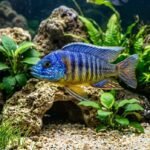
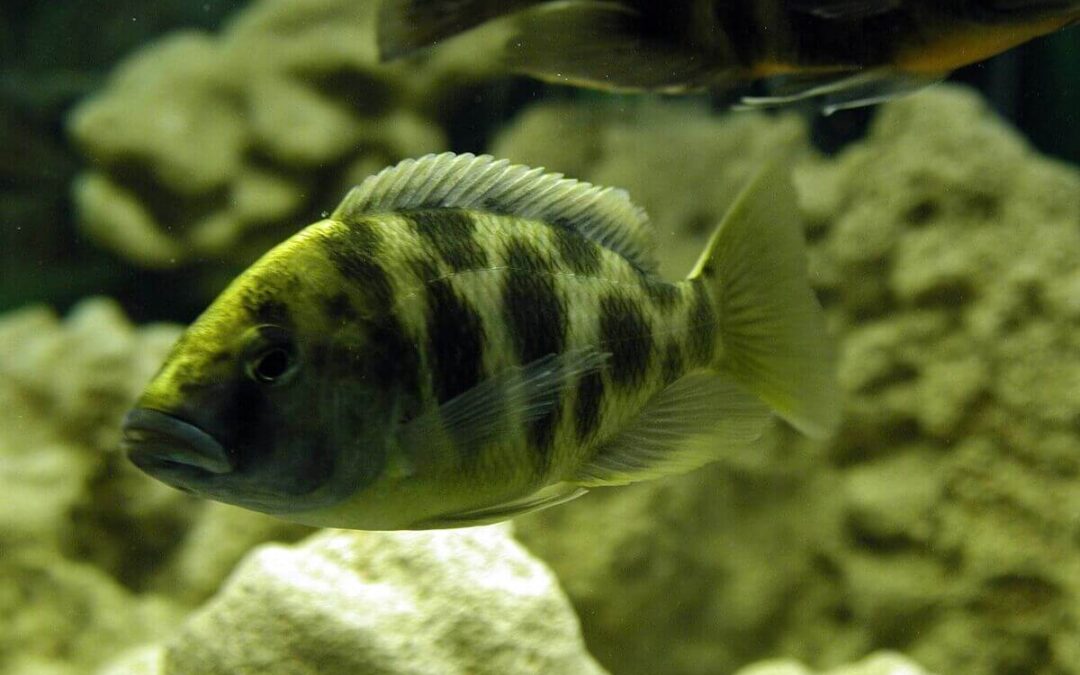
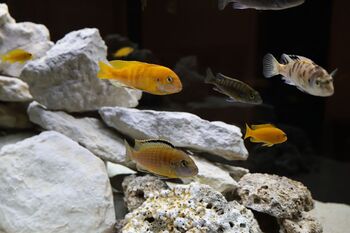
Cichlids are some of the most interesting fish you can find in the aquarium hobby. They come from Africa, Central America, and South America, and there are thousands of species with a huge variety of colors, personalities, and sizes. Most aquarium keepers are familiar with smaller types like electric yellow cichlids or angelfish, but some cichlids can grow much bigger than you might expect.
What is the largest cichlid in the world?
The Giant Cichlid (Boulengerochromis microlepis), also called the Emperor Cichlid, is known as the largest true cichlid species in the world. It lives in Africa’s Lake Tanganyika and can reach up to 36 inches (90 cm) long in the wild, making it the biggest member of the cichlid family.
Let’s take a closer look at this amazing fish and some other giant cichlids known for their size.
Meet the Emperor Cichlid
The Emperor Cichlid is very different from the cichlids you usually see in aquarium stores. Most cichlids are small and colorful, but the Emperor Cichlid is a top predator made for life in one of Africa’s biggest and deepest lakes.
Lake Tanganyika in East Africa is known for its amazing variety of life and is home to hundreds of unique cichlid species. The Emperor Cichlid stands out from the rest because of how large it gets.
Adult Emperor Cichlids usually grow to 24 to 30 inches, and some can even reach or go beyond 36 inches in the wild. Their long bodies, strong jaws, and sleek shape help them catch smaller fish in the open waters of the lake.
Even though Emperor Cichlids are not as colorful as some other African cichlids, their huge size makes them impressive. Seeing a fully grown Emperor Cichlid is a bit like seeing a freshwater version of a big ocean predator.
Why Is the Emperor Cichlid So Large?
Several things help the Emperor Cichlid grow so large.
First, Lake Tanganyika is a huge ecosystem with plenty of food. Its deep waters and steady environment let fish grow big and thrive.
Second, the Emperor Cichlid is a top predator. It eats smaller fish and other animals in the water, so it gets a high-protein diet that helps it grow quickly.
Finally, this species has changed over thousands of years in isolation. Lake Tanganyika is one of the oldest lakes in the world, so its fish have had lots of time to adapt and become unique.
Because of all these factors, the Emperor Cichlid is much bigger than almost any other cichlid.
Top 5 Largest Cichlids by Species
The Emperor Cichlid is usually called the largest true cichlid, but there are a few other species that are also very large.
1. Emperor Cichlid (Boulengerochromis microlepis)
Maximum Size: Up to 36 inches (90 cm)
Native Range: Lake Tanganyika, Africa
The Emperor Cichlid is the standard for giant cichlids. It lives in deep, open water and is known for being territorial and aggressive. Because it grows so large, you need a custom aquarium that holds over 1,000 gallons to keep one at home.
2. Speckled Peacock Bass (Cichla temensis)
Maximum Size: Up to 39 inches (100 cm)
Native Range: Amazon and Orinoco River Basins
A lot of people don’t realize that peacock bass are actually cichlids. The Speckled Peacock Bass can even grow longer and heavier than the Emperor Cichlid. These strong fish are famous with sport anglers and are some of the toughest freshwater predators in South America.
3. Wolf Cichlid (Parachromis managuensis)
Maximum Size: Up to 24 inches (60 cm)
Native Range: Central America
The Wolf Cichlid, also called the Jaguar Cichlid, is known for its spotted pattern and bold personality. It’s one of the biggest predatory cichlids you’ll find in the aquarium hobby and needs a large tank because it can be very aggressive.
4. Guapote or Dovii Cichlid (Parachromis dovii)
Maximum Size: Over 28 inches (71 cm)
Native Range: Honduras to Costa Rica
The Dovii Cichlid is known as one of the most aggressive freshwater fish you can keep. Its strong body, fast growth, and protective nature make it both interesting and challenging for hobbyists.
5. Midas Cichlid (Amphilophus citrinellus)
Maximum Size: Up to 14 inches (35 cm)
Native Range: Nicaragua and Costa Rica
The Midas Cichlid is much smaller than the other giants, but it’s still impressive because of its thick body and solid build. Many aquarium fans like this species for its smarts, bright colors, and the way it interacts with people.
Can You Keep the Largest Cichlid in an Aquarium?
Technically, yes, but it’s not practical for most people who keep fish.
Many beginners think that any fish sold in stores can live in a regular home aquarium, but giant cichlids show that this isn’t true.
A full-grown Emperor Cichlid needs a huge amount of space to swim. Experts suggest custom tanks that hold more than 1,000 gallons, plus strong filtration and regular water changes.
Big predatory cichlids make a lot of waste. Without good filtration, the water can get dirty fast, which can cause health problems and shorten their lives.
These fish are also very territorial. You have to choose tank mates carefully, and many people keep just one giant cichlid or a breeding pair in a whole tank.
How Fast Do Giant Cichlids Grow?
How fast giant cichlids grow depends on their species, genetics, water quality, and how they’re fed.
Wolf Cichlids, Dovii Cichlids, and Peacock Bass can grow very quickly in their first few years. If conditions are right, young fish can grow several inches every few months.
Giving them a protein-rich diet, keeping the water stable, and making sure they have plenty of space all help them grow well.
However, fish keepers should not overfeed to make them grow faster. Growing too quickly from too much food can sometimes cause health problems later on.
Interesting Facts About the World’s Largest Cichlid
- The Emperor Cichlid is endemic to Lake Tanganyika and is found nowhere else naturally.
- Lake Tanganyika is one of the oldest and deepest freshwater lakes on Earth.
- The Emperor Cichlid practices parental care, a hallmark trait of many cichlid species.
- Peacock Bass, despite their name, are true members of the cichlid family.
- Some giant cichlids can live for more than 15 years when properly cared for.
- Large cichlids are known for their intelligence and can often recognize their owners.
The Bottom Line
When people talk about the world’s largest cichlid, they usually mean the Emperor Cichlid (Boulengerochromis microlepis), a huge predator from Lake Tanganyika that can grow up to 36 inches long. Many scientific sources recognize this fish as one of the biggest true cichlid species.
But the Emperor Cichlid isn’t the only giant. The Speckled Peacock Bass, Wolf Cichlid, Dovii Cichlid, and Midas Cichlid also show how varied and impressive the cichlid family is.
Whether you love aquariums or are just curious about big freshwater fish, these amazing cichlids show how much variety there is in one of the world’s most popular fish families.
FAQs About the Largest Cichlid in the World
What is the largest cichlid in the world?
The largest true cichlid species is the Emperor Cichlid (Boulengerochromis microlepis), which can grow up to 36 inches (90 cm) long in the wild.
Is Peacock Bass bigger than the Emperor Cichlid?
Some Speckled Peacock Bass (Cichla temensis) can exceed the Emperor Cichlid in length and weight, reaching nearly 39 inches (100 cm). However, many experts still consider the Emperor Cichlid the largest true cichlid species.
Where does the Emperor Cichlid live?
The Emperor Cichlid is native to Lake Tanganyika in East Africa, one of the largest and deepest freshwater lakes in the world.
Can beginners keep giant cichlids?
Generally, no. Giant cichlids require extremely large aquariums, powerful filtration systems, and advanced fish-keeping experience.
What is the largest cichlid commonly kept in aquariums?
The Wolf Cichlid (Parachromis managuensis) and Dovii Cichlid (Parachromis dovii) are among the largest cichlids regularly kept by experienced aquarium hobbyists.
Are giant cichlids aggressive?
Most giant cichlids are highly territorial and can be aggressive toward tank mates, especially during breeding periods or when defending their territory.
How long do large cichlids live?
Many large cichlid species can live between 10 and 20 years with proper care, excellent water quality, and a suitable diet.