
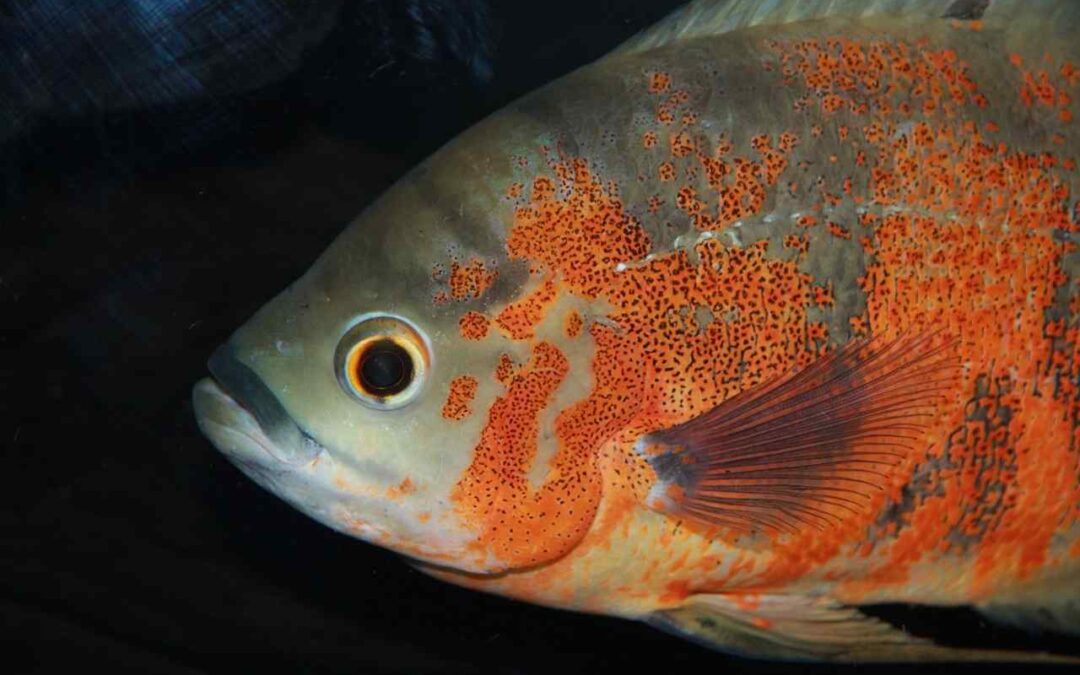
If you’ve ever noticed a fish in an aquarium watching you and wanting attention, it was probably an Oscar. These colorful South American cichlids, Astronotus ocellatus, are often called the “dogs of the aquarium.” Spend time with them and you’ll understand why. Oscars aren’t just attractive; they have big personalities, are smart, and can be a bit dramatic. That’s why many experienced fishkeepers love having them.
This article explores the interesting behaviors of Oscar fish, from their funny habits and mood changes to their interactions with other fish. If you’re considering getting an Oscar or want to know your pet better, you’ll find useful tips here.
Meet the Oscar: Aquarium’s Most Charismatic Cichlid
Oscars come from slow rivers and floodplains in South America, but they stand out in home aquariums. Their large size, bright colors, and lively personalities make them hard to miss. They are interactive, smart, and sometimes even affectionate.
High Intelligence and Owner Recognition
Oscar owners soon see how clever these fish can be. Oscars learn your daily habits, know when it’s feeding time, and can even recognize you through the glass. Many will swim to the front when their favorite person is near or beg for food by bobbing their heads and wagging their tails. Some Oscars are bold enough to eat right from your hand.
Because Oscars are intelligent, you can teach them simple tricks like following your finger, jumping for treats, or swimming through hoops. Training is fun for both you and your fish, and it also keeps them mentally and physically active, helping to prevent boredom.
Emotional Range: Moodiness and “Pouting”
If you think fish don’t have feelings, you haven’t met an Oscar. These cichlids show their emotions clearly. After something stressful, like a water change, a new tank mate, or a meal they don’t like, Oscars often “pout.” They might sulk at the bottom, lie on their side, hide in a corner, or turn pale to show they’re stressed.
Don’t worry if your Oscar behaves this way. It’s their way of dealing with change. With time and a calm environment, most Oscars return to their usual curious selves.
The Ultimate Interior Designer: Destructive Redecorating
If you prefer a neat aquarium, Oscars may not be for you. They love to rearrange their tank by pulling up plants, moving gravel, and tipping over rocks. After a digging session, you might even find the filter or heater moved.
Digging is normal for Oscars. In the wild, they dig to find food or get ready to lay eggs. In your tank, it helps them stay busy or show their personality. Use sturdy decorations and avoid fragile plants. Your Oscar will probably arrange the tank how they want.
Social Structure: Curiosity, Affection, and Temperament
People often say Oscars have a lot of personality, and it’s true. They’re curious about everything and like to explore anything new, whether it’s your hand in the tank or a new decoration. Many owners feel their Oscars are affectionate and show real interest in people outside the tank.
Oscars aren’t always playful. Like any pet with a strong personality, they can be grumpy, stubborn, or a bit dramatic. These mood swings are normal and add to their charm.
Aggression and Tank Mates: The Territorial Side
Oscars are not the most aggressive cichlids, but they are very territorial. They pick a spot in the tank and defend it, especially if they feel threatened or during breeding. This is most obvious when new fish are added or if the tank is too small.
Choosing the Right Tank Mates
Can Oscars live with other fish? Yes, but you need to follow some rules. Pick other large, semi-aggressive fish that can stand up for themselves. Good tank mates include Silver Dollars, bigger catfish, or sturdy Central and South American cichlids. Avoid small, shy fish that could get bullied or eaten, such as neon tetras, and don’t add very aggressive fish that could stress your Oscar.
Tank size is very important. Oscars grow fast and need lots of room. One adult Oscar needs at least 75 gallons. If you want a pair or more, plan for 100 gallons or more. Without enough space, aggression and health issues can increase.
Signs of Aggression
Oscars use body language to communicate. Look for flaring gills, fast swimming, chasing, or nipping. These signs show your Oscar feels territorial. Aggression can increase during breeding, so watch how the fish interact.
Oscar Fish Communication: How Do They ‘Talk’?
Oscars have many ways to communicate with both other fish and people. If you watch closely, their body language tells you a lot. For example, when an Oscar flares its gills, it’s usually warning others to stay away. A gentle nudge or bump can mean play or mild annoyance. At feeding time, Oscars might “dance” by swaying or swimming in circles to show they’re excited.
Oscars change color based on their environment and health. A bright, colorful Oscar usually means good health and low stress. If your fish turns pale or dark, it may be stressed, reacting to water changes, trying to hide, or showing signs of illness. Watching these color changes can help you understand your Oscar’s health and mood.
Environmental Enrichment: Keeping Oscars Happy
Oscars are smart and can get bored, so they need different types of enrichment to stay active. Besides rearranging tank decorations, you can add safe floating toys and offer a varied diet. Try puzzle feeders to encourage natural foraging, place live or artificial plants to mimic their habitat, and use PVC pipes or caves for hiding and exploring. Some aquarists use mirrors or floating objects like ping-pong balls for interactive play and to reduce stress. Changing enrichment activities often helps prevent boredom and supports your Oscar’s mental health.
Give your Oscar plenty of hiding spots and open space to swim. This lets them explore, hide, and feel safe. Changing the tank setup regularly keeps things interesting and can help reduce territorial aggression.
Health and Behavioral Red Flags
Knowing your Oscar’s behavior helps you bond with your fish and spot health issues early. Look for signs like unusual tiredness, not eating, clamped fins, or odd swimming, as these may mean stress, illness, or poor water quality. Check water parameters like ammonia, nitrite, nitrate, pH, and temperature with reliable test kits. If you notice any problems in your Oscar’s behavior or water quality, act quickly by doing a partial water change or adjusting filtration to restore a healthy environment.
In the end, Oscars give caring owners years of fun, a strong bond, and a real sense of how smart fish can be. Their behaviors are fascinating and play a big role in their health and happiness.
Building a Lasting Relationship With Your Oscar
One of the best parts of owning an Oscar is seeing their personality grow over time. These fish remember routines and seem to enjoy daily interactions. Many owners build a special bond with their Oscars by spending a few minutes each day talking to them, watching their behavior, or gently tapping on the glass to see their response. Oscars often become more outgoing and interactive as you spend more time with them.
Oscars can also be surprisingly sensitive to changes in their environment and to their owners’ moods. Some aquarists report that their Oscar behaves differently when they are away for a few days, sometimes sulking or withdrawing until their favorite person returns. This level of awareness and attachment is part of what makes Oscars so beloved.
Giving your Oscar consistent care and positive interaction helps them thrive. Remember, they’re not just decorations; they’re intelligent pets with unique personalities. Whether you hand-feed them, rearrange their tank for enrichment, or simply watch their daily routines, Oscars make every day more interesting.
Breeding Behaviors: Love, Drama, and Fierce Parenting
Oscars often pair for life and form strong bonds with their mates. Their courtship can look intense, with behaviors like “lip-locking,” tail-slapping, and circling. If it seems rough, don’t worry; it’s normal for them.
When breeding, Oscars are very protective parents. Both the male and female guard their eggs and young, chasing away any fish they see as a threat. This teamwork is impressive, but it also means other tank mates could get hurt during this time.
If you want to breed Oscars, make sure they have a large tank, flat places to lay eggs, and be prepared to move other fish if needed.
Common Questions About Oscar Fish Behavior
Why is my Oscar lying on its side?
This is normal Oscar “pouting.” It often happens when they’re stressed, such as after a water change, a new tank mate, or a meal they didn’t like. Give your Oscar some time and keep things calm; they usually recover soon.
Can Oscars really recognize their owners?
Absolutely! Many Oscar owners say their fish swim to the front of the tank when they come near, and some Oscars even beg for food or interact with their favorite people.
Why is my Oscar moving the tank decorations?
Oscars are famous for moving things around in their tank. This natural behavior stems from their wild habits, in which they dig to find food or to prepare to lay eggs. In your aquarium, it’s how they stay busy and show their personality.
Are Oscars aggressive?
Oscars are territorial, especially in small tanks or during breeding. They aren’t as aggressive as some other cichlids, but they need enough space and the right tank mates to avoid problems.
Can I keep Oscars with other fish?
Yes, but only with other large, semi-aggressive fish. Make sure your tank is big enough and watch how the fish get along, especially after adding new ones.
How can I tell if my Oscar is stressed?
Look for signs like turning pale, hiding, not eating, or “pouting” at the bottom of the tank. Check your water quality and see if anything has changed that could be stressing your Oscar.
How do Oscars show affection?
Oscars are known for being interactive. They might follow you, beg for food, or even let you feed them by hand. Some owners say their Oscars “dance” or show brighter colors when they’re happy.
What should I do if my Oscar is aggressive?
First, make sure your tank is big enough, and all fish have places to hide. Aggression can happen if the tank is crowded, boring, or has the wrong mix of fish. Try rearranging the tank or adding decorations to block their view and help reduce tension.
Final Thoughts: Living With an Oscar
Owning an Oscar is a special experience. These smart, moody, and loving fish quickly feel like family. They greet you at the glass, ask for attention, and even sulk when things aren’t right. They can be a handful, and your tank might not stay perfect, but you’ll have a pet that truly connects with you. If you’re new to Oscars, make sure to provide a spacious, engaging environment and watch your Oscar’s behavior to keep them healthy and happy.
If you’re ready to bring an Oscar into your home, prepare for some chaos, lots of personality, and plenty of fun. Treat them well and respect their moods, and you’ll see why these “dogs of the aquarium” are loved by fish enthusiasts everywhere.