Cichlids are among the most fascinating freshwater fish in the aquarium hobby. Known for their striking colors, unique personalities, and intelligent behavior, they can quickly become the centerpiece of any aquarium. However, learning how to care for cichlids properly is essential because their needs can differ significantly from those of many other freshwater fish.
Cichlids are an incredibly diverse group of fish. Their care requirements vary depending on whether you’re keeping African cichlids or South and Central American cichlids. While they share some common needs, differences in water chemistry, habitat setup, and behavior can notably affect their health and well-being.
In this guide, we’ll walk you through everything you need to know about caring for cichlids, from choosing the right aquarium to keeping ideal water conditions and feeding them properly.
Knowing the Different Types of Cichlids
Before setting up your aquarium, it’s important to understand which type of cichlid you plan to keep.
African Cichlids
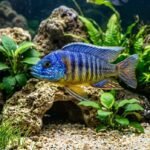
African cichlids primarily come from lakes such as Lake Malawi, Lake Tanganyika, and Lake Victoria. They are famous for their bright colors and active personalities.
These fish typically prefer:
- Hard water
- Alkaline pH levels
- Rocky environments with numerous hiding spots
Popular African cichlids include:
- Peacock Cichlids
- Mbuna Cichlids
- Frontosas
- Electric Yellow Cichlids
South and Central American Cichlids
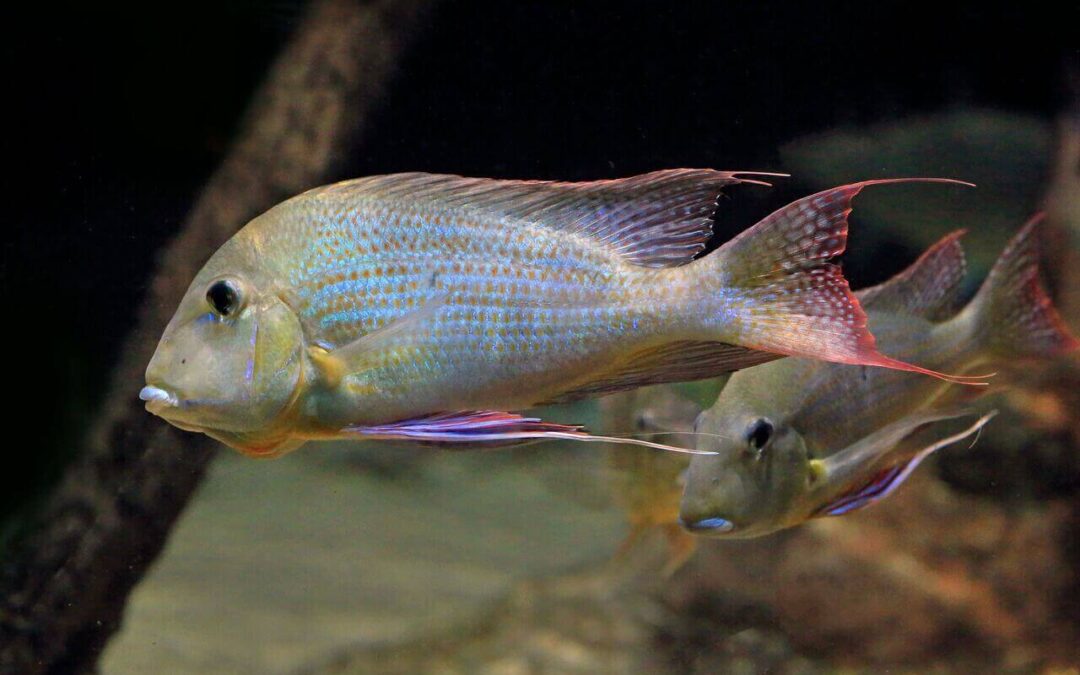
American cichlids tend to be larger and often display varied behaviors.
Popular examples include:
- Oscar Fish
- Jack Dempseys
- Firemouth Cichlids
- Green Terrors
- Convict Cichlids
- Discus Fish
These species generally prefer softer water and more natural-looking aquascapes featuring driftwood and open swimming areas.
Choosing the Right Tank Size
One of the biggest mistakes beginners make is underestimating how much space cichlids need.
Most cichlids require at least a 55- to 75-gallon aquarium. Larger species may need tanks exceeding 100 gallons.
Why so much space?
Cichlids are:
- Active swimmers
- Territorial by nature
- Often aggressive toward tankmates
- Fast growers
Providing enough room helps reduce aggression and stress.
Tank Size Guidelines
| Species Type | Recommended Tank Size |
| Dwarf Cichlids | 20–30 gallons |
| Small African Cichlids | 55 gallons |
| Medium American Cichlids | 75 gallons |
| Large Oscars and Similar Species | 75–125+ gallons |
When in doubt, choose a larger aquarium. A greater water volume creates a more stable environment and provides additional territory, which is especially helpful for larger or more territorial cichlids.
Maintaining Ideal Water Parameters
Water quality is arguably the most important aspect of cichlid care.
Cichlids are sensitive to poor water conditions, and stable parameters can help prevent disease and stress.
Temperature
Most cichlids thrive in temperatures between:
75°F and 82°F (24°C–28°C)
Using a reliable aquarium heater and thermometer helps preserve consistency.
Water Conditions for African Cichlids
African cichlids prefer:
- pH: 7.8–8.6
- Hard water
- High mineral content
Many hobbyists use crushed coral or specialized cichlid salts to help maintain these conditions.
Water Conditions for American Cichlids
South and Central American cichlids generally prefer:
- pH: 6.0–7.5
- Softer water
- Lower mineral content
Discus fish are a well-known exception, requiring especially soft water and warmer temperatures.
Water Changes
Regular water changes are essential because cichlids produce notable waste.
A good routine includes:
- 25–30% weekly water changes
- Gravel vacuuming
- Water testing for ammonia, nitrite, and nitrate
Clean water supports maintaining bright colors, strong immune systems, and healthy growth.
Invest in Powerful Filtration
Cichlids are notorious messy eaters.
They generate a heavy bioload, meaning waste can quickly pollute aquarium water if filtration is inadequate.
Best Filtration Options
For most cichlid tanks, a high-quality canister filter is the preferred choice.
Benefits include:
- Excellent biological filtration
- Strong mechanical filtration
- Increased water clarity
- Better handling of heavy waste loads
Many experienced keepers also use additional sponge filters for supplemental biological filtration.
Should You Use a Wavemaker?
For African cichlid aquariums, a wavemaker can be beneficial.
It helps:
- Improve oxygenation
- Eliminate dead spots
- Replicate natural water movement.
This may create a healthier environment, particularly in heavily stocked setups.
Creating the Perfect Aquascape
Your aquarium layout should reflect the natural habitat of the species you’re keeping.
African Cichlid Setup
African cichlids love rocky environments.
Include:
- Sand substrate
- Rock piles
- Caves
- Crevices
- Territorial boundaries
The abundance of hiding spots helps reduce aggression by allowing weaker fish to escape dominant individuals.
American Cichlid Setup
American cichlids generally appreciate:
- Driftwood
- Large rocks
- Open swimming areas
- Durable decorations
Keep in mind that many American cichlids are enthusiastic diggers. They often uproot plants and rearrange decorations to align with their preferences.
Many owners joke that their cichlids become aquarium interior designers overnight.
Feeding Your Cichlids Properly
A balanced diet is key for maintaining health, coloration, and growth.
What Do Cichlids Eat?
Most cichlids are omnivores, although some species lean more toward herbivorous or carnivorous diets.
Suitable foods include:
- High-quality cichlid pellets
- Flakes
- Frozen brine shrimp
- Bloodworms
- Krill
- Spirulina-based foods
- Vegetables such as zucchini and spinach
Feeding Schedule
Feed adult cichlids:
- Once or twice daily
- Only what they can consume within a few minutes
Overfeeding is one of the leading causes of poor water quality and health problems.
A slightly hungry cichlid is often healthier than an overfed one.
Managing Aggression and Territorial Behavior
One characteristic that makes cichlids so interesting is also one of their biggest challenges.
Many species are territorial and can become aggressive toward tankmates.
Tips to Reduce Aggression
Provide Plenty of Space
Crowding often increases territorial disputes.
Add Multiple Hiding Places
Caves, rocks, and decorations allow subordinate fish to retreat.
Choose Compatible Species
Research compatibility before mixing different cichlids or community fish.
Rearrange Decorations
If aggression becomes excessive, changing the tank layout can break established territories and reduce conflict.
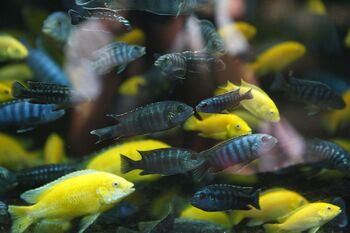
Watch for Bullying
Signs include:
- Torn fins
- Constant chasing
- Fish hiding excessively
- Refusal to eat
Addressing aggression early helps prevent serious injuries.
Common Health Problems
Even with excellent care, cichlids can occasionally experience health issues.
Some common conditions include:
Ich
Symptoms:
- White spots on the body
- Scratching against objects
- Rapid breathing
Hole-in-the-Head Disease
Often associated with poor water quality and nutritional deficiencies.
Symptoms include:
- Small pits around the head
- Reduced appetite
- Weight loss
Fin Damage
Usually caused by fighting or poor water conditions.
Maintaining clean water and a nutritious diet greatly reduces the risk of these issues.
Interesting Facts About Cichlids
Cichlids are among the most intelligent freshwater fish.
Here are a few fascinating facts:
- Some species recognize their owners.
- Many cichlids exhibit advanced parental care.
- Certain species carry eggs and fry inside their mouths for protection.
- There are more than 1,600 recognized cichlid species worldwide.
- They are found naturally in Africa, Central America, South America, Madagascar, and parts of Asia.
Their intelligence and interactive behavior are major reasons so many aquarists become lifelong cichlid enthusiasts.
Final Thoughts
Learning how to care for a cichlid involves more than placing a fish in an aquarium. These intelligent, colorful fish require clean water, proper nutrition, strong filtration, and carefully designed habitats that accommodate their territorial nature.
Whether you’re keeping vibrant African cichlids or charismatic South American species, the right environment can help them thrive for many years. With a spacious tank, stable water parameters, a balanced diet, and thoughtful aquascaping, your cichlids can reward you with fascinating behavior, stunning colors, and endless enjoyment.
Frequently Asked Questions
How often should I feed my cichlid?
Most adult cichlids should be fed once or twice daily. Offer only as much food as they can eat within a few minutes to avoid overfeeding and water quality issues.
What size tank does a cichlid need?
Most cichlids require at least 55 to 75 gallons. Dwarf species may do well in 20 to 30 gallons, while larger species like Oscars often need 75 gallons or more.
Can African and American cichlids live together?
Generally, it’s not recommended. They prefer different water parameters and may have incompatible temperaments and behaviors.
Why is my cichlid aggressive?
Territorial behavior is natural for many cichlid species. Providing adequate space, hiding spots, and compatible tankmates can help reduce aggression.
Do cichlids need a heater?
Yes. Most cichlids thrive in temperatures between 75°F and 82°F, making a reliable aquarium heater essential.
Can cichlids live with plants?
Some can, but many species dig and uproot plants. Hardy plants such as Anubias and Java Fern attached to rocks or driftwood often work best.
How often should I change the water in a cichlid tank?
Weekly water changes of 25–30% are generally recommended to maintain excellent water quality and reduce harmful waste buildup.
How long do cichlids live?
Depending on the species and quality of care, cichlids can live anywhere from 5 to 15 years, with some larger species living even longer.