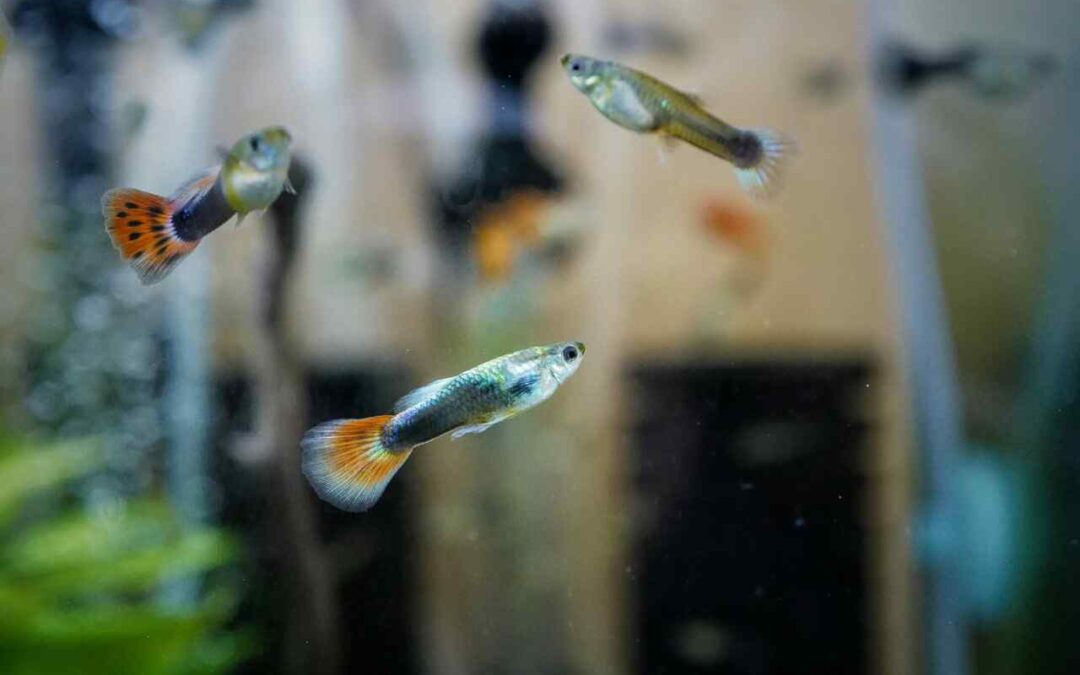
Guppies are among the most popular freshwater aquarium fish in the world, and it’s easy to see why. They’re colorful, active, easy to care for, and suitable for both beginner and experienced fish keepers. However, one question almost every new guppy owner asks is: How often do guppies need to be fed?
Adult guppies should be fed once or twice a day. Baby guppies, called fry, need to eat more often—usually 3 to 5 times a day. Feeding guppies is more involved than just adding food to the tank.
Overfeeding is a common mistake for aquarium hobbyists. Many fish health problems and water issues start with too much food. By learning the right feeding schedule and portion sizes, you can help your guppies stay healthy for a long time.
Here’s what you need to know to feed your guppies the right way.
Why Proper Feeding Matters
Feeding your guppies the right amount is just as important as feeding them the right food.
Guppies do not always stop eating when they are full. If food is available, they may keep eating, which can cause overeating and digestive issues.
Food that is not eaten right away sinks to the bottom of the tank and starts to rot. As it breaks down, it releases ammonia and other waste, which can pollute the water and stress your fish.
Healthy feeding habits help:
- Maintain excellent water quality.
- Reduce ammonia spikes.
- Prevent digestive issues.
- Promote vibrant colors.
- Support growth and breeding.
- Extend your guppies’ lifespan.
How Often Should Adult Guppies Be Fed?
Most aquarium experts recommend feeding adult guppies once or twice per day.
Morning and evening feedings work well for most tanks. This schedule mimics their natural behavior, as guppies spend much of their day searching for small food particles in the wild.
If your schedule is busy, feeding once per day is perfectly acceptable as long as the food is nutritionally balanced.
The Eye-Size Rule
One helpful guideline often highlighted in fish care recommendations is that a guppy’s stomach is approximately the size of its eye.
This means each fish only needs a surprisingly small amount of food.
As a general rule:
- Feed only what your guppies can consume within 1 to 2 minutes.
- Avoid adding extra food just because they appear hungry.
- Remember that fish naturally forage and often act hungry even when adequately fed.
The 2-Minute Rule Explained
One of the simplest ways to prevent overfeeding is to follow the 2-Minute Rule.
After adding food:
- Observe your guppies.
- Watch how much they eat.
- Ensure all food is consumed within one to two minutes.
If flakes or pellets are still floating after two minutes, you’ve likely offered too much food.
Remove any leftovers with a net or siphon to keep the aquarium clean.
This simple habit can make your water cleaner and cut down on tank maintenance.
How Often Should Baby Guppies Be Fed?
Baby guppies, known as fry, have very different nutritional needs from adults.
Because they’re growing rapidly, they require more frequent meals throughout the day.
Most breeders recommend feeding fry:
- 3 to 5 times daily
- Very small portions each feeding
- High-protein foods designed for growth
Feeding young guppies often helps them grow faster, stay healthier, and reach their full size.
Suitable foods for guppy fry include:
- Crushed fish flakes
- Fry-specific powdered foods
- Newly hatched brine shrimp
- Microworms
- Finely crushed micro pellets
The main thing is to give very small amounts of food. Too much food for fry can quickly make the water dirty, especially in small tanks.
What Happens If You Overfeed Guppies?
Overfeeding is one of the biggest threats to aquarium health.
Some common consequences include:
Poor Water Quality
Uneaten food decomposes, increasing ammonia levels. High ammonia is toxic and can stress or kill fish.
Obesity
While fish obesity may sound surprising, guppies can accumulate excess fat if consistently overfed.
Digestive Problems
Overeating may contribute to constipation, bloating, and swim bladder issues.
Algae Growth
Extra nutrients from uneaten food encourage algae blooms throughout the aquarium.
Increased Maintenance
More waste means more frequent water changes and filter cleaning.
Many fish keepers find that feeding a little less often leads to healthier and more active fish.
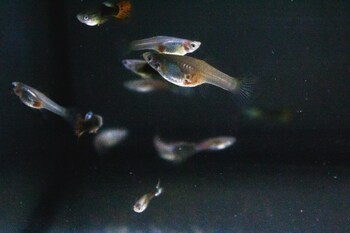
Should You Fast Your Guppies?
Many experienced aquarists recommend a weekly fasting day.
This means choosing one day each week when you don’t feed your guppies at all.
For example:
- Feed Monday through Saturday.
- Skip feeding on Sunday.
A fasting day can help:
- Clear the digestive tract
- Reduce constipation risks
- Lower waste production
- Improve water quality
Healthy adult guppies can easily go a day without food.
In nature, food is not always available every day.
However, fasting should generally not be used for very young fry that need regular nutrition for growth.
What Is the Best Food for Guppies?
How often you feed your guppies is important, but the quality of their food is just as important.
A varied diet helps provide complete nutrition and encourages vibrant coloration.
High-Quality Flakes
Flake foods formulated for tropical fish are a staple diet for many guppy tanks.
Look for products containing:
- Fish meal
- Shrimp meal
- Spirulina
- Vitamins and minerals
Micro Pellets
Many aquarists prefer micro pellets because they create less mess and provide consistent nutrition.
Frozen Foods
Occasional frozen treats add variety and valuable protein.
Popular choices include:
- Brine shrimp
- Bloodworms
- Daphnia
Freeze-Dried Foods
Freeze-dried foods are convenient and can be used as occasional treats.
Vegetable Matter
Guppies are omnivores and benefit from plant-based foods as well.
Consider adding:
- Spirulina flakes
- Blanched spinach
- Shelled peas
Feeding your fish a mix of foods helps them get all the nutrients they need.
Can Guppies Go Without Food?
Yes. Healthy adult guppies can typically survive for several days without food.
If you are going away for the weekend, you usually do not need to worry.
Many healthy adult guppies can comfortably go:
- 2 to 3 days without feeding
- Up to a week in some situations
However, longer absences may require:
- An automatic fish feeder
- A trusted fish sitter
Young fry should not be left without food for extended periods because they need regular meals to support growth.
Signs You’re Feeding the Right Amount
Are you unsure if your feeding routine is right?
Healthy, properly fed guppies often display:
- Bright coloration
- Active swimming behavior
- Healthy growth
- Strong appetites
- Clear eyes
- Smooth body shape
If your fish look tired, bloated, or if leftover food often builds up in the tank, you may need to change how you feed them.
Interesting Guppy Feeding Facts Every Fish Keeper Should Know
If you are new to keeping guppies, you may not know that feeding is more than just stopping hunger. Feeding time is a great chance to watch your fish and check their health.
Healthy guppies are usually enthusiastic eaters. When food enters the tank, they quickly swim to the surface and actively search for flakes, pellets, or other treats. If a guppy suddenly loses interest in food, it could be an early sign of stress, illness, poor water quality, or changes in the aquarium environment.
Guppies are natural foragers. In the wild, they spend much of the day looking for small insects, algae, plants, and tiny organisms. Unlike bigger fish that eat large meals, guppies are used to eating small amounts often. That is why small, frequent feedings work better than one big meal.
It also helps to adjust feeding based on your tank’s temperature. Guppies are tropical fish, and their metabolism changes with the water temperature. In warmer water (about 72°F to 82°F or 22°C to 28°C), they digest food faster and stay more active. If the water gets cooler, their metabolism slows down, so they may need less food.
Seasonal Feeding Adjustments
Many aquarium hobbyists don’t realize that fish feeding habits can change throughout the year. During breeding periods, adult guppies may require slightly more nutrition to support reproduction and recovery. Female guppies carrying fry often benefit from nutrient-rich foods high in high-quality protein and vitamins.
However, “more nutrition” doesn’t necessarily mean “more food.” Instead of dramatically increasing portion sizes, it’s often better to improve food quality by offering a variety of nutritious options.
For example, you might rotate between:
- Premium tropical fish flakes
- Micro pellets
- Frozen brine shrimp
- Daphnia
- Freeze-dried bloodworms
- Spirulina-based foods
This variety not only helps meet nutritional needs but also keeps feeding time more stimulating for your fish.
Why Variety Matters
If you ate the same meal every day, you might not get all the nutrients you need or enjoy your food. The same goes for guppies.
A varied diet can help improve:
- Color intensity
- Immune system function
- Growth rates
- Breeding success
- Overall vitality
Many guppy keepers notice brighter reds, blues, yellows, and greens after introducing a more diverse feeding routine.
Feeding as a Bonding Experience
Although fish don’t bond with humans in the same way dogs or cats do, guppies can learn to recognize their caretaker. Many owners notice their fish swimming to the front of the aquarium whenever they approach the tank.
Guppies often act this way because they connect people with feeding time. Over time, feeding is not just a daily chore; it becomes a way to interact with and enjoy your aquarium pets.
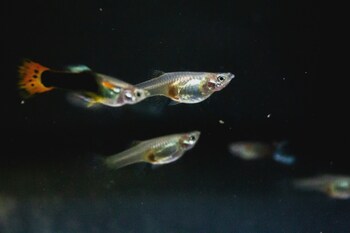
If you keep a regular feeding schedule, watch portion sizes, and give your guppies a balanced mix of foods, they will stay healthy, colorful, and active. Often, the key to keeping guppies happy is not feeding more, but feeding smarter.
Final Thoughts
So, how often do guppies need to be fed?
For most aquariums, the ideal routine is simple: feed adult guppies once or twice a day and feed fry 3 to 5 small meals daily. Follow the 2-minute rule, avoid overfeeding, and provide a varied diet that includes high-quality flakes and pellets, along with occasional protein-rich treats.
With guppies, feeding less is often better. A well-managed feeding schedule keeps the water cleaner, the fish healthier, and makes your aquarium more enjoyable.
By observing your fish and adjusting portions as needed, you’ll create an environment where your guppies can flourish and display their beautiful colors and lively personalities for years to come.
Frequently Asked Questions
Can I feed my guppies three times a day?
Adult guppies generally do not need three daily feedings. One or two feedings are usually sufficient. However, growing fry benefit from 3 to 5 small meals per day.
How much food should I give each guppy?
A useful guideline is that a guppy’s stomach is roughly the size of its eye. Feed only what they can consume within 1 to 2 minutes.
Is it okay to skip feeding guppies for one day?
Yes. Many aquarists intentionally include one fasting day each week to support digestion and improve water quality.
What should I do if food is left in the tank?
Remove uneaten food with a net or siphon. Leftover food can decompose, creating ammonia spikes that harm fish.
Can guppies eat only flakes?
They can survive on quality flakes, but a varied diet that includes pellets, frozen foods, and vegetable matter promotes better health and coloration.
How often should newborn guppies be fed?
Newborn guppy fry should ideally be fed 3 to 5 times daily using very small portions of fry-appropriate foods.
Will overfeeding kill guppies?
Overfeeding itself may not kill fish immediately, but it can lead to poor water quality, disease, digestive problems, and increased stress that can shorten their lifespan.