If you’re setting up your first aquarium, you’ve likely seen guppies. They’re colorful, active, affordable, and come in many patterns and tail shapes. But are guppies a good choice for beginners, or should they be left to more experienced fish keepers?
Yes, guppies are usually a great choice for beginners. They’re peaceful, adaptable, easy to feed, and don’t need a large tank. Their lively nature also brings a lot of character to a new aquarium.
But being beginner-friendly doesn’t mean they require no care. Guppies still need clean, stable water, good filtration, the right food, and enough space to swim. Also, keep in mind that fancy guppies can be more delicate, and if you have both males and females, they can breed very quickly.
Before you get your first guppies, here are some important things to know.
Are Guppies Good Beginner Fish?
For most first-time fish keepers, yes, guppies are a very good choice.
Guppies are peaceful freshwater fish that are active throughout the aquarium and generally adapt well to properly maintained community tanks. Their hardy nature and simple diet are two reasons livebearers such as guppies are frequently recommended for beginners.
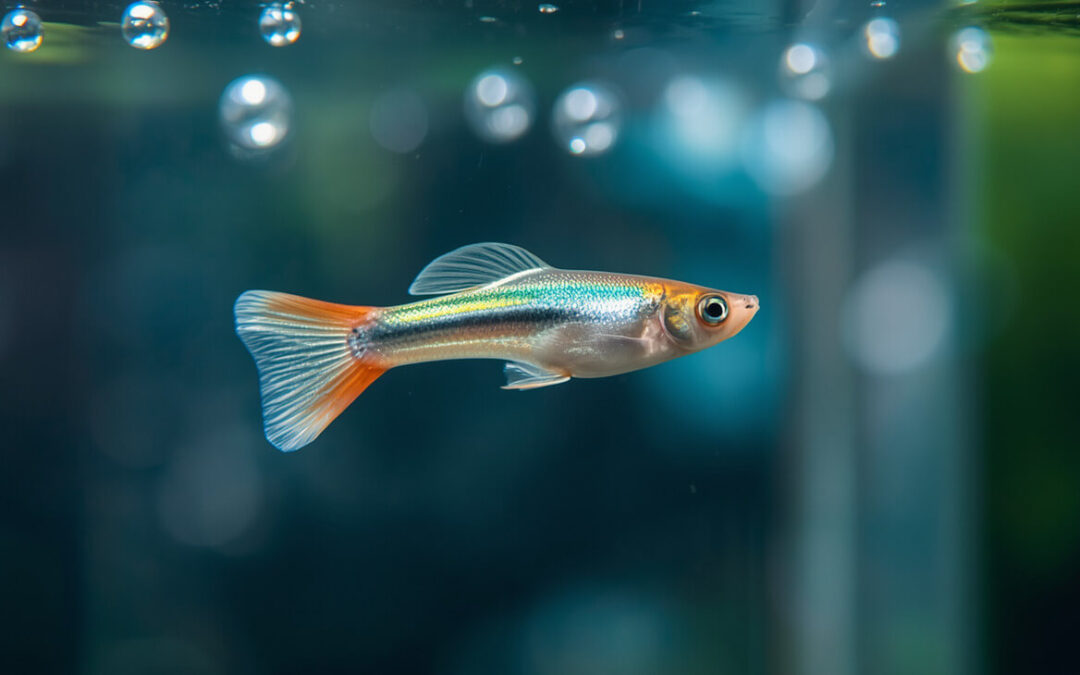
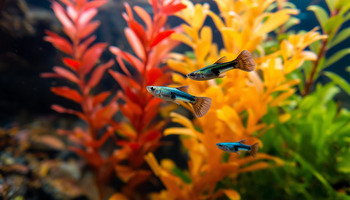
They’re also small, colorful, and fun to watch. A group of male guppies can bring flashes of blue, red, orange, yellow, and green to an otherwise simple aquarium.
Still, the specific fish you choose is important. Some fancy guppies that have been bred for special colors or tails can have more health problems than hardier types. If you’re new to fishkeeping, it’s better to pick healthy fish from a trusted breeder or aquarium shop, rather than just going for the most unusual colors or tails.
In short, guppies are good for beginners, but picking healthy fish and learning basic tank care will make things much easier.
Why Guppies Are Great for First-Time Fish Keepers
They’re Active and Peaceful
Guppies aren’t the type of fish that sit in one corner of the aquarium. They spend much of their time swimming around, exploring, and interacting with one another.
They’re generally peaceful, too, which makes them appropriate for many community aquariums when paired with compatible species. Aquarium Buddies’ guide to guppy aquarium setup covers suitable tank mates and other important setup considerations.
They’re Relatively Hardy
One reason guppies appeal to beginners is their adaptability traits. They can handle a reasonable range of aquarium conditions when water quality is stable, and they aren’t exposed to sudden, extreme changes.
This doesn’t mean you can skip water testing or regular care. Their hardiness just gives you a bit more room for mistakes as you learn the basics.
They’re Easy to Feed
Guppies are omnivores and generally aren’t fussy eaters. A quality flake or micro-pellet can be a staple, while frozen or live foods such as brine shrimp and daphnia can add variety.
If you’re unsure about feeding, Aquarium Buddies’ complete guide to what guppy fish eat goes into more detail about food choices and feeding habits.
The most common mistake for beginners isn’t getting guppies to eat, but feeding them too much. Only give them what they can finish quickly, since leftover food turns into waste and can harm water quality.
They Don’t Need a Huge Aquarium
Guppies are small, so you don’t need a huge tank to keep them. In fact, a bigger tank isn’t always harder to manage. Larger tanks keep water conditions more stable and give your fish more space to swim.
For beginners, a 10-gallon tank is a good place to start for a small group of guppies, especially if you want to add decorations or plants. The number of fish you can keep depends on your tank size, filtration, fish size, and whether you plan to let them breed.
What Makes Guppies Challenging for Beginners?
This is something many people miss.
Guppies are easier than many other fish, but they still need regular care.
Fancy Guppies Can Be More Delicate
The eye-catching guppies you see in stores or online are usually bred over many generations. Fancy guppies may have large tails, bright colors, and unique patterns, but this breeding can make them less hardy than other types.
Aquarium Buddies’ guide to different guppy types and tail shapes explains just how much variety selective breeding has produced.
If you want an easy start, don’t just pick the fish with the biggest tail or rarest look. Choose fish that are active, alert, have healthy fins and color, and show no signs of illness.
Locally bred, hardier “mutt” guppies are often a better choice for beginners. You might also consider Endler’s livebearers, which are smaller relatives of guppies and do well in planted or smaller tanks.
Guppies Breed Very Fast
This often surprises people new to guppies.
Guppies are livebearers, meaning females give birth to free-swimming fry instead of laying eggs. Put males and females together, and you should expect babies.
And then more babies.
And potentially more after that.
If you have both males and females, your tank can get overcrowded fast if you don’t plan for the babies. Guppies are very easy to breed, so a small group can quickly turn into a lot more fish.
If you want to avoid surprise babies, keeping only males is easier. If you keep both sexes, having more females than males helps reduce stress. Many recommend having two or three females for each male.
What Do Guppies Need for Thriving?
Even beginner-friendly fish need a well-prepared tank.
At a minimum, your guppies need:
- An appropriately sized aquarium
- A reliable filter
- Stable, conditioned freshwater
- A heater when room temperatures aren’t consistently warm enough
- A thermometer
- Appropriate food
- Plants or decorations for cover
- Regular water testing and maintenance
Guppies usually do well in water between 72 and 82°F (22–28°C). Keeping the temperature steady is more important than hitting an exact number.
For a deeper look at temperature, see Aquarium Buddies’ guide to the ideal water temperature for guppy fish.
Water quality is equally important. A properly filtered, cycled aquarium helps beneficial bacteria process fish waste and keeps harmful ammonia and nitrite from accumulating.
Remember, just because guppies are hardy doesn’t mean they can live in poor water forever.
What Should You Know Before Buying Guppies?
Before you go to the aquarium store, take a moment to think about more than just the fish.
1. Have Your Aquarium Ready
Don’t buy fish before your tank is ready. Set up, condition, filter, and cycle your aquarium before bringing home guppies.
2. Decide Whether You Want Babies
This is a big one.
If you don’t want to deal with baby fish, choose only males. If you want to breed them, make sure you have enough space and a plan for the extra fish.
3. Look at the Fish, Not Just the Color
A beautiful guppy isn’t necessarily a healthy guppy.
Look for fish that swim actively, have clear eyes, healthy fins, eat well, and show no spots, injuries, or odd behavior. Healthy fish are a better choice for beginners than the most colorful ones.
4. Don’t Overstock
It’s tempting to fill your new tank right away, especially with so many beautiful guppies available. Try to resist and add fish slowly.
Putting in too many fish at once can overload your tank’s filter and make it much harder to keep the water clean.
5. Choose Tank Mates Carefully
Guppies are peaceful, but not every peaceful-looking fish will get along with them.
Avoid aggressive fish and those that nip fins, as they can bother guppies or damage their tails. Choose peaceful fish that like the same water and temperature conditions.
Common Guppy Mistakes Beginners Should Avoid
If this is your first aquarium, try to avoid these common mistakes:
Overfeeding: More food doesn’t mean healthier fish. Excess food becomes waste.
Skipping water changes: Clear-looking water isn’t necessarily clean water.
Adding fish to an uncycled aquarium: Establish the biological filtration before stocking.
Overcrowding: Too many fish mean more waste, more stress, and less stable water.
Ignoring breeding: A few guppies can become many guppies surprisingly quickly.
Buying solely for appearance: Fancy strains can sometimes be more delicate than hardier fish.
Choosing incompatible tank mates: Long, flowing guppy fins can be tempting targets for fin-nipping species.
The good news is that you can avoid these problems once you learn the basics.
So, Should You Buy Guppies as Your First Fish?
If you’re wondering whether guppies are good for beginners, the answer is yes. As long as you keep a few key things in mind.
Guppies combine many qualities that make a great starter fish: they’re colorful, active, peaceful, relatively hardy, and easy to feed. They’re also small enough for a modest aquarium and can live comfortably in many community setups when you choose tank mates carefully.
The main challenges are how quickly they breed and that some fancy types can be more fragile.
If you’re new to fishkeeping, the most effective approach is to set up your tank properly, pick healthy fish, avoid overcrowding, feed them the right amount, and have a plan for breeding.
If you do these things, guppies can be a very rewarding way to start your aquarium hobby.
FAQs About Guppies for Beginners
Are guppies good beginner fish?
Yes. Guppies are generally considered excellent beginner fish because they’re peaceful, colorful, active, adaptable, and relatively easy to feed and maintain. They still require clean water, proper filtration, stable temperatures, and responsible stocking.
Are guppies easy to take care of?
Guppies are relatively easy to care for, especially when their aquarium is properly established. Beginners should still perform regular maintenance, monitor water quality, provide a balanced diet, and avoid overcrowding.
How many guppies should a beginner get?
A small group is generally better than keeping a single guppy. The number you can safely keep depends on aquarium size, filtration, and whether you’re keeping males and females together. For mixed-sex groups, plan for rapid population growth.
Do guppies need a heater?
Guppies generally do best in stable water around 72–82°F (22–28°C). If your home’s temperature consistently stays within a suitable range, a heater may not be necessary, but it can help prevent temperature fluctuations.
Can guppies live with other fish?
Yes. Guppies can make good community fish when kept with peaceful, compatible species. Avoid aggressive fish and fin-nippers that may harass or injure them.
Do guppies reproduce quickly?
Yes. Guppies are livebearers and can reproduce frequently when males and females are kept together. If you don’t want fry, an all-male group can help prevent unexpected population growth.
Are fancy guppies good for beginners?
They can be, but some heavily line-bred fancy guppies may be more delicate than hardier strains. If you’re a first-time fish keeper, prioritize healthy, active fish from a reputable source rather than choosing solely based on color or tail size.
What is the easiest way to start keeping guppies?
Start with a properly cycled aquarium, reliable filtration, stable water conditions, appropriate food, and a small, compatible group of healthy guppies. Most importantly, plan your stocking before buying the fish, especially if you intend to keep both males and females.