Few aquarium fish are as fascinating and intimidating as the Arowana. Known for their long, sleek bodies and powerful hunting instincts, arowanas are often called “dragon fish” because of their striking appearance and graceful movement. But for many fish keepers especially beginners, one important question always comes up: Are arowanas aggressive?
The short answer is yes, most arowanas are naturally aggressive and territorial. However, their aggression depends on several factors, including species, tank size, environment, and tank mates. Some varieties are more manageable than others, while certain species are known for being extremely hostile toward other fish.
Understanding their behavior is essential before bringing one home. Arowanas are not community fish in the traditional sense, and they require careful planning if you want them to coexist with other aquatic life peacefully.
In this guide, we’ll explore why arowanas can be aggressive, which species are calmer, how to reduce aggression, and what tank mates work best.
Why Are Arowanas Aggressive?
Arowanas are apex predators in the wild. They naturally inhabit slow-moving rivers, swamps, and flooded forests across parts of Asia, South America, Africa, and Australia. In these environments, they hunt insects, crustaceans, frogs, smaller fish, and even animals near the water’s surface.
Because of this natural instinct, aggression is deeply built into their behavior.
Territorial Instincts
As arowanas mature, they become highly territorial. Adult fish often claim specific areas of the tank and may attack anything they see as a threat or competition. This behavior becomes even more noticeable in smaller aquariums where space is limited.
Australian species, particularly the Jardini arowana, are famous for being extremely territorial. Many owners report constant chasing, fin damage, and fighting when these fish are housed with unsuitable companions.
Predatory Feeding Behavior
Arowanas are opportunistic hunters. If another fish is small enough to fit into their mouth, there’s a good chance the arowana will eventually attempt to eat it.
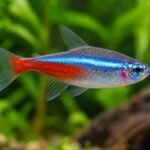
Even peaceful-looking arowanas still have strong hunting instincts. This is why tiny community fish such as neon tetras, guppies, or mollies are poor choices for tank mates.
Competition and Dominance
In tanks with multiple large fish, aggression often comes from competition for food or space. Arowanas like to establish dominance, especially during feeding time. Some may even become aggressive toward their owners’ hands during feeding sessions.
While bites are not usually dangerous to humans, they can still be painful due to the fish’s strong jaw and quick strike.
Are All Arowana Species Equally Aggressive?
Not all arowanas behave the same way. Some species are noticeably calmer, while others are notoriously aggressive.
Silver Arowana
The Silver Arowana from South America is generally considered one of the calmer species. While still predatory and territorial, silvers are often more tolerant of large tank mates when raised properly.
However, “calmer” does not mean peaceful. Adult silver arowanas can still attack smaller fish or become territorial in cramped conditions.
Jardini Arowana
The Jardini Arowana, native to Australia, is often regarded as one of the most aggressive arowana species. These fish are known for relentless bullying, chasing, and attacking tank mates, even large ones.
Many experienced keepers recommend housing Jardinis alone because of their unpredictable temperament.
Asian Arowana
The Asian Arowana is prized for its beauty and rarity. Aggression levels vary by individual personality, but many become territorial as adults.
Some hobbyists successfully keep them in large monster-fish tanks, though careful tank mate selection is crucial.
Black Arowana
The Black Arowana is often considered slightly less aggressive during its juvenile stage. Still, as it matures, territorial behavior usually increases.
Can Arowanas Live with Other Fish?
Yes, but compatibility depends heavily on tank size, fish temperament, and species selection.
Arowanas do best with large, robust fish that can hold their own and are too big to be viewed as prey.
Good tank mates may include:
- Siamese Tigerfish
- Pacu
- Large Cichlid species
- Giant gouramis
- Large catfish
- Bichirs
- Stingrays (in very large setups)
Even with suitable companions, there’s never a guarantee of peace. Some arowanas tolerate tank mates for years, while others suddenly turn aggressive as they mature.
Why Tank Size Matters
One major reason aggression increases is inadequate space.
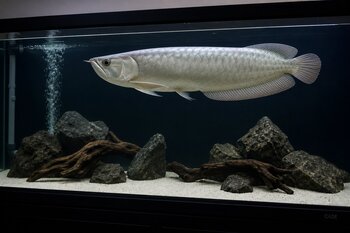
Arowanas grow very large, many species exceed 3 feet in length. Keeping them in undersized tanks causes stress and territorial behavior to intensify.
For most adult arowanas, a tank of at least:
- 250 gallons or larger
- Long swimming space
- Strong filtration
- Stable water quality
is highly recommended.
A cramped aquarium forces fish into constant contact, increasing fights and stress.
Arowanas and Jumping Behavior
One lesser-known issue with arowanas is their tendency to jump. These fish are famous for leaping out of aquariums, sometimes with surprising force.
In the wild, they jump to catch insects and prey above the water surface. In aquariums, jumping may happen because of:
- Hunting instincts
- Sudden fear or stress
- Aggression from tank mates
- Poor water quality
Because of this, a secure and weighted lid is absolutely necessary. Many hobbyists sadly lose expensive arowanas after accidental jumps.
How to Reduce Aggression in Arowanas
Although aggression cannot be removed completely, there are ways to manage it.
Provide Enough Space
The larger the aquarium, the better. More territory means fewer confrontations.
Avoid Small Fish
Anything tiny enough to swallow will likely become food eventually.
Create Visual Breaks
Large driftwood pieces, decorations, and plants can help break lines of sight and reduce tension between fish.
Feed Properly
Hungry arowanas tend to become more aggressive. Feeding a balanced, protein-rich diet consistently can help minimize food-related aggression.
Introduce Tank Mates Carefully
Adding fish of similar size and strength at the same time often works better than introducing new fish into an already established territory.
Observe Behavior Closely
Every arowana has a unique personality. Some coexist peacefully, while others simply refuse tank mates altogether.
Are Arowanas Good for Beginners?
In most cases, arowanas are not ideal beginner fish.
Their size, aggression, dietary needs, and tank requirements make them better suited for experienced aquarists. They require:
- Very large aquariums
- Strong filtration systems
- Consistent maintenance
- Careful tank mate selection
- Secure lids
Additionally, some species like Asian arowanas can be extremely expensive.
For hobbyists willing to commit, however, arowanas can become incredible centerpiece fish with remarkable intelligence and personality.
Do Arowanas Recognize Their Owners?
Interestingly, many owners report that arowanas seem to recognize them over time. Some fish swim toward the glass during feeding and even appear calmer around familiar people.
Despite their aggressive reputation, arowanas are highly intelligent fish with curious behavior. They often become interactive pets when properly cared for.
Still, caution is needed during feeding because some individuals may strike aggressively at fingers or tools.
Understanding Arowana Body Language
One of the most interesting parts of keeping an Arowana is learning how to read its behavior. These fish may not bark or meow like traditional pets, but experienced keepers often say arowanas communicate clearly through body language.
When an arowana feels calm and comfortable, it usually swims smoothly across the tank with relaxed fins and steady movement. A stressed or aggressive arowana, however, may show warning signs such as:
- Rapid pacing across the glass
- Flaring fins repeatedly
- Chasing tank mates nonstop
- Sudden lunges during feeding
- Refusing food
- Remaining hidden for long periods
Aggression often starts subtly before it becomes dangerous. For example, an arowana may begin by lightly nudging or chasing another fish before escalating to biting or repeated attacks.
This is why observation is such an important part of fishkeeping. Many problems can be prevented if owners notice behavioral changes early.
The “Monster Fish” Reputation
Arowanas are commonly grouped into the “monster fish” category in the aquarium hobby. This term refers to large, powerful freshwater fish with impressive appearances and dominant personalities.
Other fish in this category often include:
- Oscar Fish
- Redtail Catfish
- Peacock Bass
- Alligator Gar
What makes arowanas stand out is their combination of intelligence, athleticism, and beauty. Unlike many fish that simply swim around all day, arowanas actively observe their surroundings and react to movement both inside and outside the tank.
Some owners even compare their personalities to aquatic dogs because they can become highly interactive over time.
Still, their aggressive tendencies are one reason they’re considered advanced-level fish rather than beginner pets.
Aggression Can Increase with Age
Many new owners are surprised when their once-peaceful juvenile arowana suddenly becomes hostile after several months or years.
Young arowanas are often more tolerant because they haven’t fully developed their territorial instincts yet. As they mature and grow larger, dominance behaviors become much stronger.
This creates a common problem in the hobby:
A tank setup that worked perfectly for a juvenile may completely fail once the fish reaches adulthood.
For example, a small group of large fish may coexist peacefully when young, but once the arowana reaches 20 to 30 inches, aggression can suddenly intensify.
This is why experienced keepers always plan for the adult size and temperament of the fish, not just its juvenile stage.
Do Male and Female Arowanas Behave Differently?
Many hobbyists wonder whether male or female arowanas are more aggressive. In general, aggression differences between sexes are not extremely obvious in most species.
However, personality varies greatly from one individual fish to another.
Some arowanas are naturally calmer and tolerate tank mates surprisingly well. Others become dominant no matter how carefully the aquarium is managed.
Breeding pairs can also become more aggressive during spawning periods. In the wild, arowanas protect their young carefully, especially species where males carry eggs and fry in their mouths.
This protective instinct may increase aggression temporarily.
Why Feeding Time Can Become Intense
Feeding time is often when an arowana’s predatory instincts become most obvious.
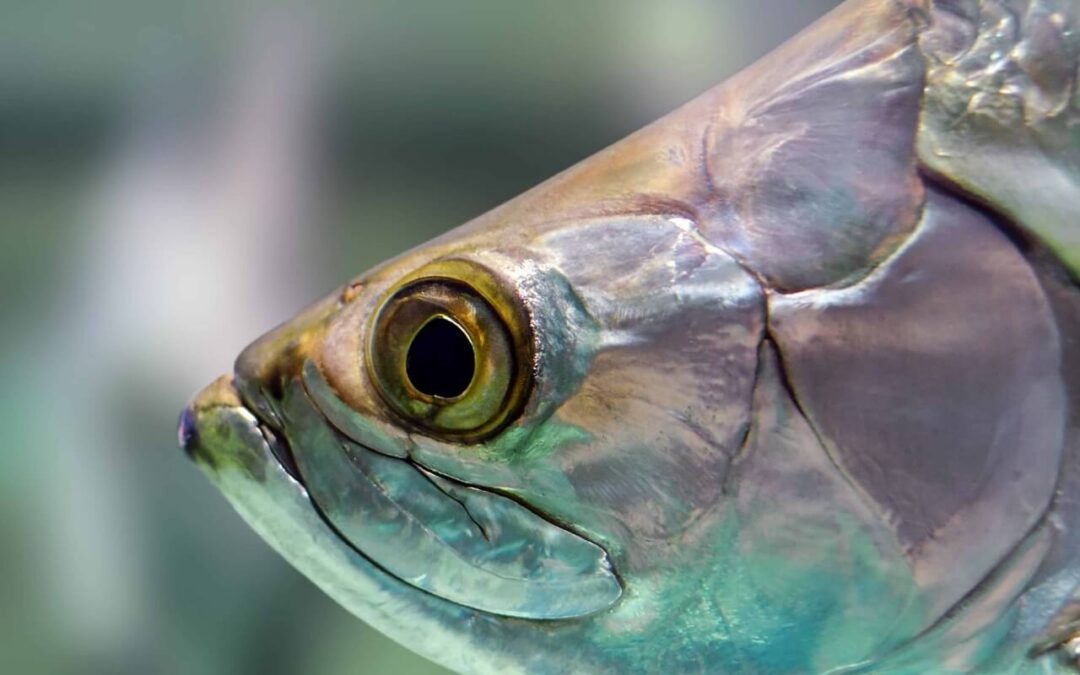
These fish are surface hunters, meaning they are designed to attack prey from above or near the waterline. Their upward-facing mouths and powerful strike speed help them ambush insects, frogs, and small animals.
In home aquariums, this can make feeding exciting, but sometimes chaotic.
Many arowanas aggressively lunge at food the second it touches the water. Some even splash water outside the tank or leap partially out of the aquarium while eating.
Owners commonly feed foods such as:
- Shrimp
- Crickets
- Mealworms
- Fish pellets
- Tilapia pieces
- Earthworms
- Frozen seafood
However, overfeeding live feeder fish is generally discouraged because it can introduce parasites and encourage overly aggressive hunting behavior.
A balanced diet is healthier and safer long term.
The Intelligence of Arowanas
One reason arowanas are so popular despite their aggression is their intelligence.
Many fish owners notice that their arowanas recognize routines quickly. Some learn feeding schedules and swim excitedly to the front glass when their owner enters the room.
Others seem to distinguish between familiar and unfamiliar people.
This intelligence can sometimes contribute to aggressive behavior too. Bored or stressed arowanas may become restless, especially in tanks without enough stimulation or swimming space.
Providing enrichment through tank layout changes, proper feeding routines, and adequate space can help keep them mentally active.
Why Some Arowanas Suddenly Become Aggressive
Sometimes aggression appears suddenly even in previously peaceful fish. Several environmental factors may trigger this behavior.
Poor Water Quality
Arowanas are sensitive to unstable water conditions. High ammonia or nitrate levels can stress them, making them more irritable and aggressive.
Regular water changes and strong filtration are extremely important.
Overcrowding
Too many large fish in one tank creates competition and stress. Even compatible species may start fighting if they lack territory.
Lack of Hiding Areas
Tank mates need places to retreat when chased. Without shelter or visual barriers, weaker fish may experience nonstop harassment.
Hormonal Maturity
As arowanas mature sexually, territorial instincts often increase dramatically.
Tank Rearrangement
Interestingly, moving decorations or adding new fish can sometimes trigger temporary aggression as the arowana re-establishes territory.
Interesting Facts About Arowanas
Beyond aggression, arowanas are full of fascinating traits that make them unique in the aquarium world.
They Can Jump Several Feet
Arowanas are famous jumpers and can leap surprisingly high out of the water. In the wild, they use this ability to catch insects, birds, and small animals hanging from branches above rivers.
Some reports suggest they can jump over six feet in certain situations.
They Are Ancient Fish
Arowanas belong to a very old group of fish species that have existed for millions of years. Because of this, they are sometimes called “living fossils.”
Asian Arowanas Are Considered Lucky
In many Asian cultures, the Asian Arowana symbolizes wealth, prosperity, and good fortune. Their dragon-like appearance contributes to this belief.
Some rare color varieties sell for thousands or even tens of thousands, of dollars.
They Have Excellent Vision
Arowanas rely heavily on eyesight to hunt prey near the water surface. Their large eyes help them spot movement quickly.
They Can Become Huge
Depending on the species, arowanas can exceed three feet long. This enormous size is one reason many owners underestimate the commitment required.
Common Mistakes New Arowana Owners Make
Unfortunately, many people buy arowanas without fully understanding their needs.
Here are some of the most common mistakes:
Buying a Tank That’s Too Small
A juvenile arowana may look tiny in a pet store, but rapid growth quickly creates space problems.
Mixing with Small Community Fish
Small fish often become food eventually, even if the arowana ignores them at first.
Using Weak Tank Covers
Standard lids are sometimes not enough. Arowanas can hit lids with significant force while jumping.
Overfeeding
Too much fatty or live food can cause health issues and obesity.
Ignoring Aggression Signs
Early chasing and fin nipping can escalate into serious injuries if ignored.
Can Aggressive Arowanas Be Trained?
You cannot completely “train” aggression out of an arowana, but fish can become more accustomed to routines and human interaction over time.
Some owners use feeding tongs, target feeding, and consistent schedules to build trust and reduce chaotic feeding responses.
Still, instinct always plays a major role. Even calm arowanas remain predatory fish at heart.
This unpredictability is part of their appeal for many experienced hobbyists.
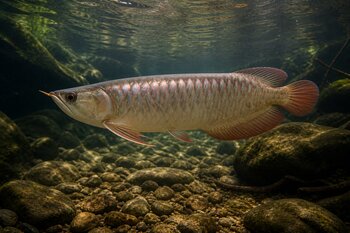
The Reality of Keeping Arowanas
Owning an arowana is often described as a long-term commitment rather than a casual aquarium project.
These fish can live well over a decade with proper care, and they require:
- Large aquariums
- Strong filtration systems
- Expensive maintenance
- Careful diet management
- Constant observation
Their aggression is not a flaw, it’s simply part of their natural behavior as powerful predators.
For some aquarists, that bold personality is exactly what makes them so captivating.
Watching an arowana glide across a massive aquarium with confidence and intelligence is an experience few freshwater fish can match.
Final Thoughts
So, are arowanas aggressive? Absolutely, but that aggression is part of what makes them such fascinating predators.
Their territorial nature, hunting instincts, and dominant personalities mean they require thoughtful care and proper housing. While some species like the Silver Arowana can be relatively calmer, others like the Jardini are famously aggressive and often better kept alone.
With enough space, proper tank mates, and careful management, many aquarists successfully keep arowanas in impressive community setups. However, they are not casual pets and demand a serious commitment.
For experienced fish keepers, though, few aquarium fish match the beauty, power, and presence of an arowana gliding through the water.
FAQs About Arowana Aggression
Are arowanas aggressive toward humans?
Arowanas are not dangerous to humans, but they can become aggressive during feeding. Some may accidentally bite fingers if they mistake them for food.
Can two arowanas live together?
It depends on the species, tank size, and individual temperament. Some hobbyists successfully keep multiple arowanas in massive aquariums, but fighting is common.
Which arowana is the least aggressive?
The Silver Arowana is generally considered calmer than species like the Jardini or certain Asian varieties.
Why is my arowana attacking other fish?
Common causes include territorial behavior, hunger, stress, overcrowding, or viewing smaller fish as prey.
Can arowanas live with cichlids?
Yes, large cichlids are often kept with arowanas successfully, provided the tank is spacious enough and both species are compatible in temperament.
Do arowanas eat tank mates?
Yes. Smaller fish are often viewed as prey and may eventually be eaten.
Why do arowanas jump out of tanks?
Arowanas naturally jump while hunting. Stress, aggression, fear, or poor water quality can also trigger jumping behavior.
Should arowanas be kept alone?
Many adult arowanas thrive alone, especially highly territorial species like the Jardini. Solitary housing often reduces aggression-related injuries.