Aquarium hobbyists often look for peaceful bottom dwellers to share a tank with goldfish. One fish that frequently comes up in conversations is the Corydoras catfish. These small, friendly fish are famous for their gentle nature and their habit of scavenging leftover food along the tank floor.
So the big question is: can corydoras live with goldfish?
The short answer is technically yes—but it’s usually not recommended. While some aquarists have successfully kept them together, there are several risks and compatibility issues you should understand before trying it.
In fact, many aquarium experts note that the pairing can be dangerous due to size differences, temperature requirements, and the Corydoras’ defensive spines.
Let’s explore why this combination can be problematic and what you should consider if you’re thinking about keeping them together.
Understanding Corydoras Catfish
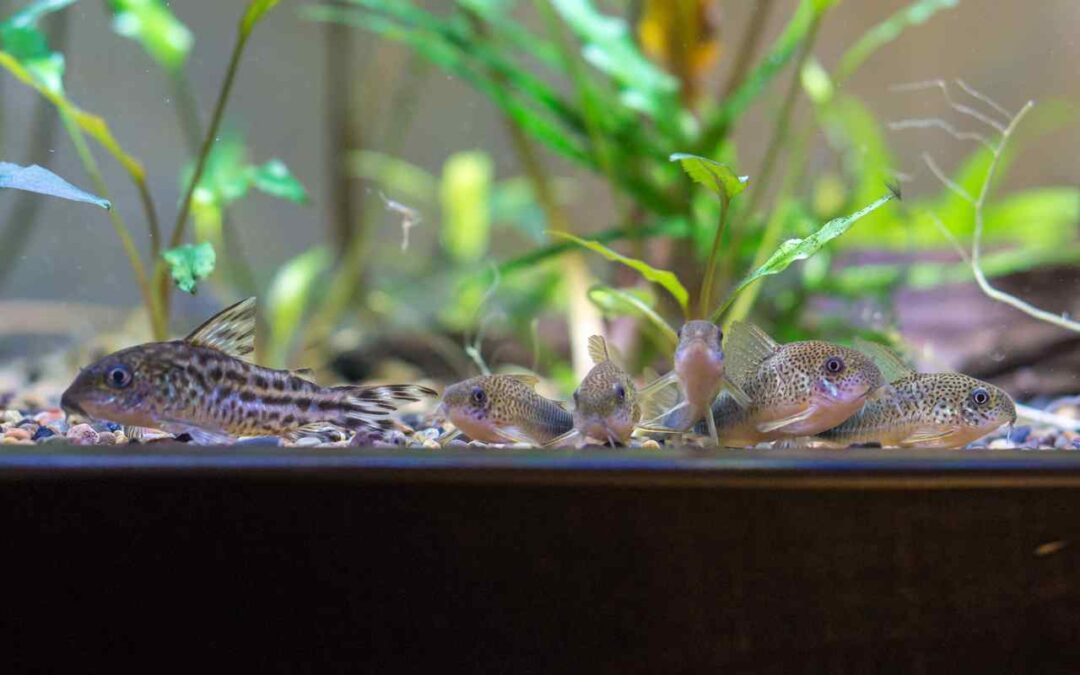
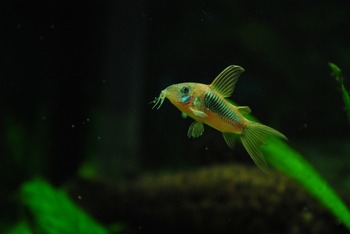
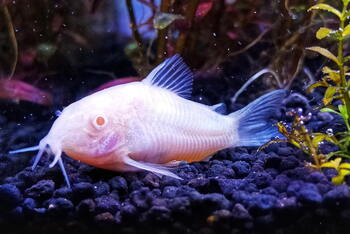
Corydoras are small freshwater catfish from South America known for their social behavior and peaceful temperament. They spend most of their time at the bottom of the tank, gently sifting through substrate for food.
Key traits of Corydoras:
- Peaceful and community-friendly
- Prefer to live in groups of 5–6 or more
- Grow between 2–3 inches (most species)
- Thrive in warm tropical water
- Known for their adorable “waddling” swimming style
They are extremely popular among aquarists because they help clean leftover food and rarely bother other fish.
However, their small size can create problems when they share a tank with larger species like goldfish.
Understanding Goldfish
Goldfish are hardy freshwater fish that have been kept as pets for centuries. Despite their reputation as beginner fish, they grow quite large and produce a lot of waste.
Important characteristics of goldfish:
- Can grow 6–12 inches or more
- Prefer cooler water
- Opportunistic eaters
- Produce heavy bio-load in aquariums
Goldfish are not aggressive in the traditional sense, but they will attempt to eat anything that fits in their mouths. This behavior is one of the biggest issues when keeping them with smaller fish.
Why Corydoras and Goldfish Are Usually Incompatible
While both fish are peaceful, their biological differences make long-term compatibility difficult.
Here are the main reasons experts discourage this pairing.
1. Choking Hazard
One of the most serious risks involves the Corydoras’ defense mechanism.
Corydoras have sharp dorsal and pectoral spines that they can lock into place when threatened. If a goldfish tries to swallow one, those spines can get stuck in the goldfish’s throat.
This creates a dangerous situation where:
- The goldfish cannot spit the Cory out
- The Cory cannot escape
- Both fish may die
Aquarium keepers have unfortunately reported cases where both fish were lost due to this exact scenario.
2. Temperature Differences
Another major issue is temperature preference.
Most Corydoras species are tropical fish that prefer warmer water:
- Corydoras: around 72–79°F (22–26°C)
- Goldfish: around 65–72°F (18–22°C)
Keeping the tank warmer for Corydoras may stress goldfish, while cooler temperatures can weaken Corydoras over time.
While the ranges overlap slightly, it’s not ideal for either fish in the long run.
3. Size and Feeding Competition
Goldfish grow quickly and can become much larger than Corydoras.
This creates several problems:
- Goldfish may accidentally swallow smaller fish
- Corydoras may struggle to compete for food
- Goldfish may disturb bottom dwellers while digging
Because goldfish are enthusiastic eaters, they often consume food before Corydoras have a chance to reach it.
Situations Where They Might Coexist
Despite the risks, some aquarists have managed to keep them together under very specific conditions.
If someone chooses to try this combination, several precautions are essential.
Choose the Right Corydoras Species
Some Corydoras tolerate cooler water better than others.
Two species commonly mentioned as possible candidates include:
- Peppered Corydoras (Corydoras paleatus)
- Brochis multiradiatus (Hog-nosed catfish)
Peppered Corys are especially known for their ability to handle slightly cooler temperatures compared to tropical Corydoras species.
However, even these fish still prefer conditions slightly warmer than what goldfish enjoy.
Make Sure the Tank Is Large
A small tank will almost certainly lead to problems.
If combining them, the aquarium should be large and spacious, allowing each species to occupy its own area.
Recommended minimum:
- 75 gallons or larger
This helps reduce stress and gives Corydoras room to hide if goldfish become curious.
Provide Plenty of Hiding Spots
Dense aquascaping helps protect smaller fish.
Good options include:
- Driftwood
- Rocks
- Dense plants
- Caves or tunnels
These hiding places allow Corydoras to rest safely during the day.
Ensure Corydoras Are Too Big to Eat
One rule many aquarists follow is simple:
If it fits in the goldfish’s mouth, it may become food.
Only keep Corydoras that are large enough that a goldfish cannot attempt to swallow them.
Even then, there’s still some risk.
Better Tank Mates for Goldfish
If your goal is to add a bottom cleaner to your goldfish tank, there are safer options than Corydoras.
Two commonly recommended alternatives include:
Nerite Snails
Nerite snail are excellent algae eaters that work well with goldfish.
Advantages:
- Tough shells protect them from curious fish
- Excellent algae control
- Small bioload
They’re one of the most popular invertebrates for goldfish tanks.
Bristlenose Plecos
Bristlenose pleco are hardy algae eaters that can tolerate cooler temperatures better than many other plecos.
Benefits include:
- Efficient algae eaters
- Hardy and adaptable
- Generally peaceful
However, they still require good filtration and adequate tank size.
Ideal Tank Setup for Corydoras (Without Goldfish)
If you truly want Corydoras to thrive, the best solution is a tropical community tank designed for them.
Ideal conditions include:
- Temperature: 72–78°F
- Soft sandy substrate
- Groups of 6 or more Corydoras
- Peaceful tank mates like tetras, rasboras, or dwarf gouramis
When kept in proper conditions, Corydoras become very active and entertaining fish.
They even display charming behaviors like “Cory zoomies,” where they suddenly dash around the tank together.
Additional Considerations Before Mixing Corydoras and Goldfish
Another important factor that many beginners overlook is water flow and oxygen levels. Goldfish tend to thrive in tanks with strong filtration and high oxygen levels because they produce a large amount of waste. Corydoras also appreciate well-oxygenated water, but they prefer calmer environments where they can comfortably search the substrate for food.
Interestingly, Corydoras have a unique adaptation that helps them survive in the wild. They are capable of gulping air from the surface and absorbing oxygen through their intestines. This is why you may occasionally see them swim quickly to the surface and dart back down again. While this behavior is normal, frequent surface trips can sometimes indicate that the water quality or oxygen levels need improvement.
Another subtle challenge in goldfish tanks is the substrate choice. Corydoras are bottom foragers that constantly sift through sand with their sensitive barbels (whisker-like feelers). These barbels help them locate tiny food particles hidden in the substrate.
If the aquarium contains rough gravel, it can wear down or damage these delicate barbels. Many goldfish tanks use gravel, which means Corydoras may not thrive unless the tank has fine sand or smooth substrate.
There’s also the issue of feeding style. Goldfish are enthusiastic eaters that often rush toward food the moment it enters the tank. Corydoras, on the other hand, are slower and usually feed after food sinks to the bottom.
Because of this difference, Corydoras in a goldfish tank may end up underfed, especially if the aquarist assumes they will survive solely on leftovers. In reality, Corydoras require their own food such as:
- Sinking pellets
- Algae wafers
- Frozen bloodworms
- Brine shrimp
Providing dedicated food ensures they stay healthy and active.
Another interesting fact is that Corydoras are extremely social fish. In the wild, they form large shoals that move together across riverbeds. When kept alone or in very small numbers, they may become shy and inactive.
Goldfish tanks, however, are usually stocked with only a few fish due to their large size. This can make it difficult to keep the recommended group of six or more Corydoras, which they need to feel secure and display natural behaviors.
Finally, it’s worth noting that Corydoras are known for their playful and energetic bursts of swimming, often referred to by hobbyists as the “Cory zoomies.” During these moments, they suddenly dash around the tank in groups before settling back down on the substrate. In a calm tropical community aquarium, this behavior is entertaining and completely normal—but in a tank with large goldfish, it may trigger curiosity or chasing.
For these reasons, many experienced aquarists conclude that separating Corydoras and goldfish into species-appropriate environments leads to healthier fish and a more balanced aquarium.
FAQs
Can goldfish eat Corydoras?
Yes, they may try. Goldfish are opportunistic feeders and may attempt to swallow small fish. However, Corydoras have sharp spines that can get stuck in a goldfish’s throat, potentially killing both fish.
What Corydoras species can live with goldfish?
The most commonly suggested species are the Peppered Corydoras and the larger Brochis multiradiatus because they tolerate cooler water better than most Corydoras.
What temperature works for both goldfish and Corydoras?
A compromise temperature around 70–72°F (21–22°C) may work temporarily, but it’s not ideal for most Corydoras long term.
Are Corydoras good cleaners for goldfish tanks?
Not really. While Corydoras eat leftover food, they do not replace proper tank maintenance and may struggle to compete with goldfish for food.
What are safer tank mates for goldfish?
Safer companions include hardy species like Nerite snail and Bristlenose pleco, which are better suited for cooler water and less likely to be eaten.
Final Thoughts
So, can corydoras live with goldfish?
Technically, yes—but it’s not the best pairing for most aquariums.
The combination comes with real risks:
- Goldfish may try to eat Corydoras
- Corydoras spines can cause fatal choking
- Temperature preferences don’t align
- Feeding competition can stress bottom dwellers
For the health and safety of both species, most aquarists recommend keeping them in separate tanks designed for their specific needs.
If you’re looking for a bottom cleaner for your goldfish tank, snails or hardy plecos are generally a safer choice.
Meanwhile, Corydoras truly shine in peaceful tropical community aquariums where they can live in groups and behave naturally.