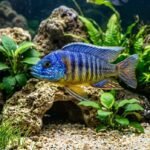
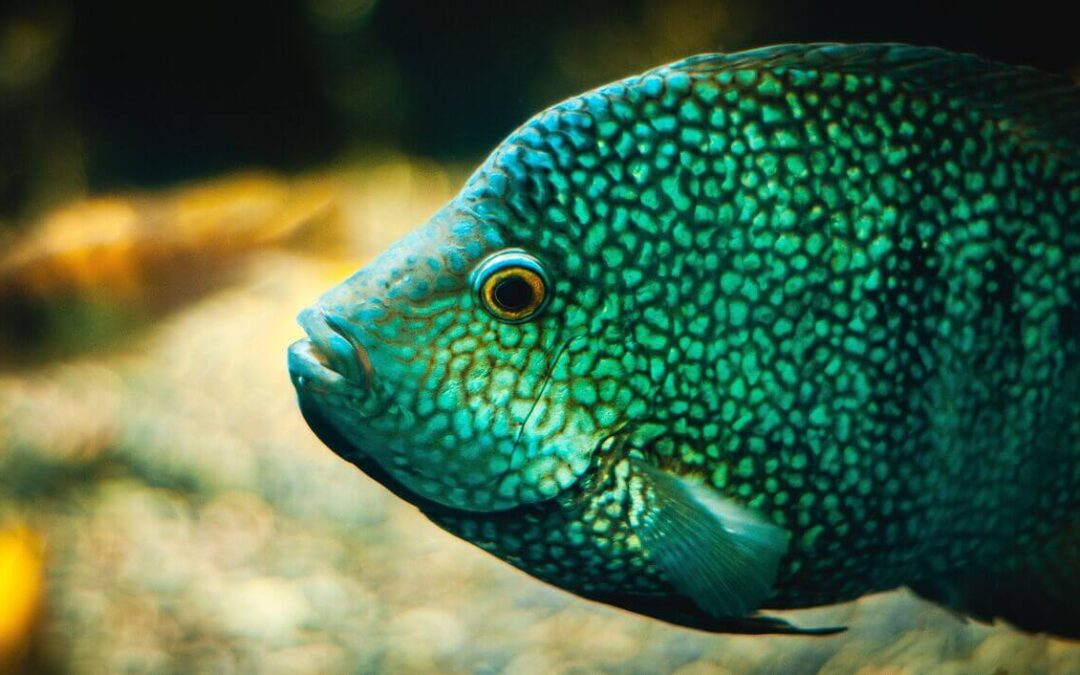
Watching a pair of cichlids raise their babies is amazing. These babies are called fry. It is great to see the cichlids take care of their fry. Many cichlid species are parents to their babies. The cichlids keep their babies safe from fish that might hurt them. The cichlids also show their babies around the aquarium. The parents do not take care of their babies forever they let them go on their own after some time. Cichlids are really good, at keeping their babies safe and teaching them things.
A common question among hobbyists is: When should cichlid fry be separated from their parents?
In most cases, cichlid fry should be separated from their parents between 3 and 4 weeks after they become free-swimming. By this age, the fry are actively feeding on their own, growing steadily, and becoming less dependent on parental protection. This timing also aligns with the parents’ natural breeding cycle, which often begins to reset after several weeks.
According to fishkeeping resources, leaving fry with their parents for too long can increase the risk of aggression. As adult cichlids prepare for another spawning cycle, they may chase away, injure, or even eat their older offspring to make room for a new brood.
While the 3- to 4-week guideline works for many species, the exact timing depends on the type of cichlid you’re keeping.
Understanding the Different Breeding Styles
Not all cichlids care for their young in the same way. Knowing how your species breeds can help you determine the best time to separate the fry.
Substrate-Spawning Cichlids
Species such as:
- Convict Cichlids
- Angelfish
- Kribensis
- Firemouth Cichlids
lay their eggs on flat surfaces like rocks, driftwood, or aquarium glass. Both parents typically guard the eggs and later protect the fry after they hatch.
For these species, fry can usually remain with their parents for around 4 weeks. By the time they reach approximately 1 to 2 centimeters in length, they are generally strong enough to thrive independently.
However, once the parents begin showing signs of preparing another nest site or becoming more territorial, it’s time to move the fry. Older siblings may suddenly become targets of aggression as the adults focus on producing another spawn.
Mouthbrooding Cichlids
Many African cichlids, including species from Lake Malawi and Lake Tanganyika, are mouthbrooders.
In these species, the female carries eggs and developing fry inside her mouth for protection. After about two to three weeks, she releases fully formed fry into the aquarium.
Once the fry are swimming freely and feeding independently, separation is often recommended. Unlike substrate-spawning species that may continue caring for their offspring, many mouthbrooding mothers quickly lose their parental instincts after release.
As a result, the fry can become vulnerable to predation, even from their own mother.
Signs That Fry Are Ready to Be Separated
Rather than relying only on age, it’s helpful to watch for specific signs that indicate the fry are ready for a grow-out tank.
1. They Are Swimming Confidently
Healthy fry should move freely throughout the aquarium rather than constantly staying close to their parents.
2. They Are Eating Independently
If the fry eagerly consume crushed flakes, baby brine shrimp, microworms, or powdered fry food, they are capable of feeding without parental assistance.
3. They Show Noticeable Growth
Most fry will develop stronger bodies, better coloration, and improved swimming ability after a few weeks.
4. Parents Become Aggressive
One of the clearest signs is a change in parental behavior. Adults that previously guarded their offspring may begin chasing, nipping, or driving them away.
5. Another Spawning Cycle Is Beginning
If the parents start cleaning spawning surfaces, displaying breeding colors, or performing courtship behaviors, separation should happen soon.
What Happens If You Leave Fry With Their Parents Too Long?
Many beginners assume that keeping fry with their parents indefinitely is the safest option. Unfortunately, this isn’t always true. Potential risks include:
Increased Aggression
As cichlids prepare to breed again, they often become highly territorial. Existing fry may be viewed as competition rather than family.
Cannibalism
Although it may sound harsh, many fish species, including cichlids, may eat their own offspring under certain conditions.
Stunted Growth
A crowded aquarium can limit access to food and space, slowing the development of younger fish.
Stress Among Fry
Constant chasing and territorial disputes can weaken fry and make them more susceptible to disease. For these reasons, moving fry to a dedicated grow-out tank often provides the best chance of survival and healthy development.
How to Separate Cichlid Fry Safely
The separation process should be done carefully to minimize stress on both parents and fry.
Move the Fry Instead of the Adults
Most experienced aquarists recommend moving the fry rather than catching the parents.
Removing adult cichlids can:
- Disrupt established territories
- Damage decorations and plants
- Increase stress levels
- Trigger aggressive behavior
Instead, leave the adults in their familiar environment and transfer the fry to a separate tank.
Distract the Parents With Food
Feed the adult fish on one side of the aquarium while gently collecting the fry from the other side. This method reduces stress and makes the process easier.
Use a Fine Mesh Net
A small fry net helps prevent injuries to delicate fins and bodies. Move slowly and avoid chasing the fry around the tank for extended periods.
Consider a Turkey Baster
For extremely small fry, many hobbyists prefer using a turkey baster. The gentle suction allows you to collect individual fry with minimal risk of injury. Some aquarists also use specialized aquarium siphons designed for fry collection.
Setting Up a Proper Grow-Out Tank
A dedicated grow-out tank gives young cichlids the best environment for rapid growth.
Use a Cycled Aquarium
Never place fry in an uncycled tank. Stable water conditions are critical for survival.
Install a Sponge Filter
Sponge filters provide excellent biological filtration while preventing tiny fry from being sucked into the filter intake.
Match Water Parameters
The new tank should closely match:
- Temperature
- pH
- Hardness
Most cichlid fry thrive in temperatures around 27°C to 29°C (80°F to 84°F), depending on the species.
Feed Frequently
Young cichlids grow best when offered small meals several times per day.
Good food choices include:
- Baby brine shrimp
- Microworms
- Crushed flakes
- Fry pellets
- Powdered fry food
Perform Regular Water Changes
Frequent partial water changes help maintain excellent water quality and encourage faster growth.
Can Some Cichlid Fry Stay With Their Parents Longer?
Yes, some species exhibit extended parental care and may tolerate older fry for longer periods.
However, even in these cases, keeping multiple generations together often becomes problematic over time. Aggression, overcrowding, and competition for food eventually become concerns.
Most breeders still prefer moving fry into a separate grow-out tank once they are large enough to feed independently.
Final Thoughts
For most cichlid species, the ideal time to separate fry from their parents is around 3 to 4 weeks after they become free-swimming. By this stage, the fry can feed independently, grow more efficiently, and avoid the aggression that often accompanies a new breeding cycle.
Substrate-spawning cichlids generally provide parental care for several weeks, while mouthbrooding species often require earlier separation after the fry are released. Paying attention to the behavior of both the parents and the fry is the best way to determine the perfect timing.
With a properly prepared grow-out tank, stable water conditions, and regular feeding, your young cichlids will have the best possible start in life.
FAQs
How long should cichlid fry stay with their parents?
Most cichlid fry can stay with their parents for about 3 to 4 weeks after becoming free-swimming. After that, the risk of aggression increases as the parents prepare for another spawning cycle.
Will cichlid parents eat their fry?
Yes, some cichlid parents may eat their fry, especially when stressed, overcrowded, or preparing for a new brood. Mouthbrooding species are particularly known to lose parental instincts after releasing their young.
Can I leave cichlid fry in the main tank?
You can leave them temporarily if the parents are still caring for them and there are no aggressive tank mates. However, a separate grow-out tank generally provides better survival rates and faster growth.
What size should cichlid fry be before separation?
Many aquarists separate substrate-spawning cichlid fry when they reach approximately 1 to 2 centimeters in length, which is usually around four weeks old.
What is the best tank setup for cichlid fry?
A cycled grow-out tank with a sponge filter, stable water parameters, matching temperature, and regular feedings is considered ideal for raising healthy cichlid fry.
Should I move the parents or the fry?
It’s usually safer and less stressful to move the fry. Catching adult cichlids can disrupt territories, damage decorations, and increase stress levels in the aquarium.