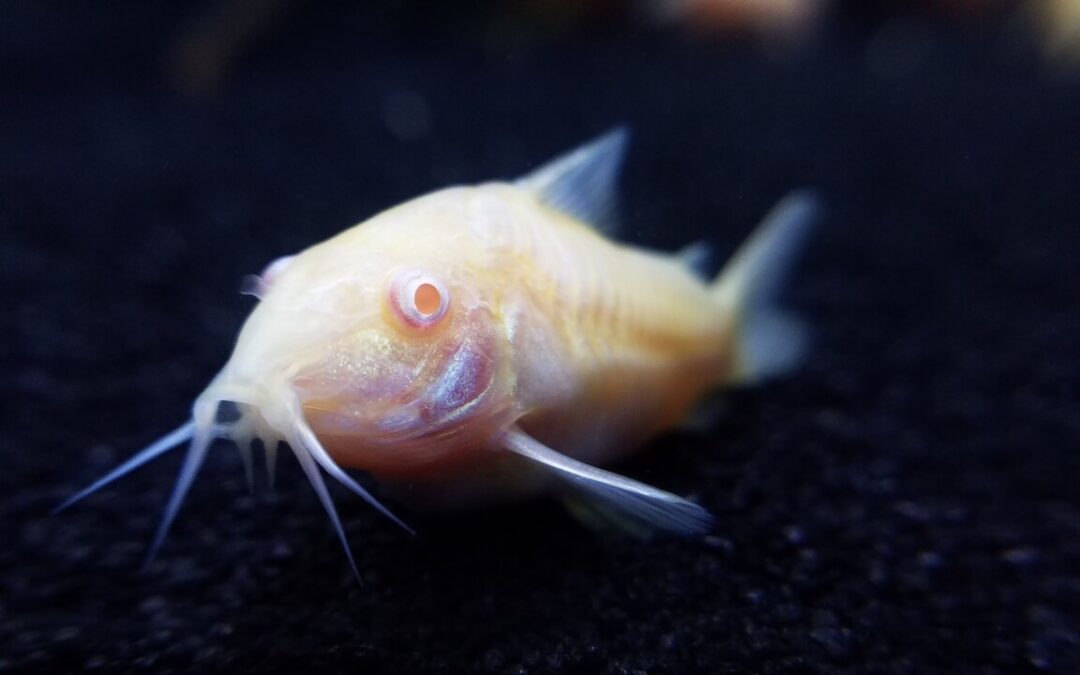
Raising corydoras fry is one of the most rewarding parts of keeping these peaceful bottom-dwellers. But if you’re expecting rapid growth like with some other fish species, you might need to adjust your expectations. Corydoras fry grow at a steady, relatively slow pace, and that’s completely normal.
Based on common aquarium knowledge, corydoras fry typically take 3 to 6 months to reach a near-adult or sellable size. Their development happens in clear stages, and understanding each phase will help you raise healthier, stronger fish.
Let’s break down Corydoras growth rate, stage by stage, and explore how you can support optimal development.
Corydoras Fry Growth Timeline
Hatching Stage (Days 3–4)
After spawning, corydoras eggs usually hatch within 3 to 4 days, depending on water temperature. Warmer water tends to speed things up slightly.
At this stage, the fry are extremely tiny and fragile. They rely entirely on their yolk sac for nutrition, which sustains them for another 2 to 3 days. You won’t need to feed them yet, and it’s best to avoid disturbing them.
Early Growth (Weeks 1–2)
Once the yolk sac is absorbed, the fry become free-swimming and actively search for food. This is where growth truly begins.
During the first two weeks:
- Fry start eating microscopic or very fine foods
- Growth becomes noticeable by around day 7 to 10
- Survival rates depend heavily on feeding consistency
High-protein foods such as baby brine shrimp, microworms, or powdered fry food significantly boost their development. According to widely shared aquarium, feeding small portions multiple times a day is key.
Transition Stage (Weeks 3–4)
By the third and fourth weeks, you’ll notice a big change, your fry will begin to resemble miniature versions of adult corydoras.
At this point:
- Their barbels (whiskers) become more visible
- Their body shape becomes more defined
- They can start eating crushed flakes or small pellets
Many aquarists also begin introducing a more varied diet here, which supports balanced growth and stronger immune systems.
Juvenile Stage (Weeks 6–8)
Around 6 to 8 weeks, most corydoras fry reach about 1 to 1.5 inches in size. This is a major milestone.
At this stage:
- They are strong enough to move out of breeder boxes
- They benefit from a grow-out tank with more space
- Their coloration and patterns become more distinct
Moving them to a larger tank helps reduce stress and encourages faster, more even growth.
Sub-Adult Stage (3–6 Months)
Corydoras fry typically reach a sellable or near-adult size within 3 to 6 months, though exact timing varies depending on care and species.
By this point:
- They are fully formed but may still grow slightly
- Size differences between individuals may become noticeable
- Some slower-growing fry (“runts”) may lag behind
Patience is important here, corydoras are not fast growers, but they reward consistent care with long-term health.
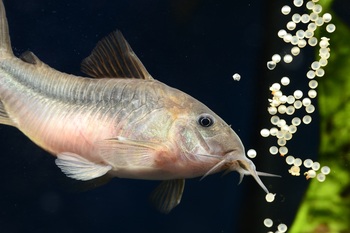
Factors That Affect Corydoras Fry Growth Rate
Not all fry grow at the same speed, and several factors play a major role in how quickly they develop.
1. Diet and Feeding Frequency
Diet is arguably the biggest factor in growth rate. Fry that are fed nutrient-rich foods multiple times daily grow noticeably faster.
Best foods include:
- Baby brine shrimp
- Microworms
- Powdered fry food
- Crushed high-quality flakes
Protein-rich diets are especially important during the early stages.
2. Water Quality
Clean water is essential. Corydoras fry are highly sensitive to waste buildup, and poor water conditions can stunt growth or even lead to fatalities.
Many experienced aquarists recommend:
- Frequent water changes (even daily or every other day)
- Removing uneaten food promptly
- Using gentle filtration to avoid stressing the fry
As often emphasized in aquarium communities, pristine water conditions directly correlate with faster and healthier growth.
3. Tank Size and Space
Overcrowding slows growth. When too many fry share a small space:
- Competition for food increases
- Waste accumulates faster
- Stress levels rise
A larger grow-out tank allows fry to spread out, access food more easily, and grow at a more natural pace.
4. Genetics and Competition
Even under perfect conditions, not all fry will grow equally.
Some may:
- Grow faster due to stronger genetics
- Lag behind due to weaker traits
- Struggle to compete for food
This is normal. Separating larger fry from smaller ones can sometimes help ensure more balanced growth.
5. Temperature and Stability
Consistent temperatures (typically 24–26°C or 75–79°F) help maintain steady metabolism and growth.
Sudden changes in temperature or water parameters can:
- Slow development
- Cause stress
- Increase mortality risk
Stability is just as important as the actual numbers.
Tips to Speed Up Corydoras Fry Growth
If you want your fry to grow efficiently without compromising their health, focus on these practical tips:
- Feed small amounts 3–5 times daily
- Perform regular water changes (up to 50% every other day if needed)
- Use a sponge filter for gentle filtration
- Gradually upgrade them to a larger tank
- Remove leftover food to prevent ammonia spikes
Consistency beats everything. Even the best food won’t help if water quality is poor.
Common Growth Concerns
It’s normal to worry if your fry seem small or uneven in size. However, slow growth is typical for corydoras.
Here are a few things to keep in mind:
- Not all fry will grow at the same pace
- Some species grow slower than others
- Environmental factors often matter more than genetics
If your fry are active, eating well, and showing gradual progress, you’re likely on the right track.
Additional Insights: Deeper Look into Corydoras Fry Growth and Behavior
While the basic growth timeline gives you a solid roadmap, there’s a lot more happening beneath the surface when raising corydoras fry. Understanding these smaller details can make a noticeable difference in both survival rates and overall growth quality.
One interesting trait of corydoras fry is how early they begin to exhibit bottom-dwelling behavior. Even at a young age, they instinctively explore the substrate, mimicking adult feeding habits. You might notice them “sifting” through the tank floor just days after becoming free-swimming. This is why having a clean, soft substrate or bare-bottom tank is often recommended during early development, it reduces the risk of injury and keeps food accessible.
Another fascinating detail is how sensitive their barbels (whiskers) are during growth. These tiny sensory organs are essential for finding food, especially in low-light conditions. Poor water quality or rough substrates can damage barbels, which in turn makes it harder for fry to feed properly. Healthy barbels are actually a good indicator that your fry are developing well and living in suitable conditions.
Growth Spurts and “Plateaus”
Corydoras fry don’t grow in a perfectly steady line. Instead, their growth often comes in spurts followed by slower periods.
For example:
- After switching to protein-rich foods like baby brine shrimp, you may see a sudden size increase
- Growth may slow slightly during dietary transitions or environmental changes
- Once moved to a larger tank, another growth spurt often follows
This stop-and-go pattern is completely normal and is something many aquarists notice over time. It’s also why comparing your fry daily can feel misleading, growth is easier to see over a week or two rather than day by day.
The Role of Oxygen and Tank Setup
One often overlooked factor in fry development is oxygen availability. Corydoras are known for their ability to gulp air from the surface as adults, but fry rely more heavily on dissolved oxygen in the water.
To support healthy growth:
- Use a sponge filter or air stone to maintain oxygen levels
- Avoid overcrowding, which reduces oxygen availability
- Keep water movement gentle but consistent
Well-oxygenated water not only improves survival rates but also helps fry stay active and feed more efficiently.
Social Behavior Starts Early
Corydoras are schooling fish, and this behavior begins surprisingly early in life. Even as fry, they tend to:
- Group together while resting
- Follow each other during feeding
- React collectively to movement or light changes
Raising them in small groups rather than isolating individuals can actually reduce stress and encourage natural behavior, which indirectly supports better growth.
Interesting Fact: They “Blink” with Their Eyes
A fun and often overlooked detail, corydoras have the ability to move their eyes downward, almost like blinking. You may start noticing this behavior even in juvenile stages. It doesn’t directly affect growth, but it’s a good sign that your fish are developing normally and behaving naturally.
Why Some Fry Grow Exceptionally Fast
Occasionally, you’ll notice a few fry growing significantly faster than the rest. These “standouts” often:
- Dominate feeding times
- Have stronger genetics
- Adapt quicker to prepared foods
While it might be tempting to leave things as-is, separating faster-growing fry can prevent them from outcompeting smaller siblings. This ensures a more balanced group overall.
Long-Term Growth Expectations
Even after reaching the 3–6 month mark, corydoras may continue to fill out and mature over time. True adult size and full coloration can take longer, especially for certain species.
Some aquarists even report that:
- Color patterns become more vibrant after 6 months
- Body shape becomes fuller with age
- Behavior becomes more confident and social
So while they may be “sellable” at a few months old, their development doesn’t stop there.
FAQs About Corydoras Fry Growth Rate
How fast do corydoras fry grow?
Corydoras fry grow relatively slowly compared to other fish. Most reach a juvenile or sellable size within 3 to 6 months, depending on care.
When should I start feeding corydoras fry?
Start feeding once the yolk sac is fully absorbed, usually 2–3 days after hatching. Begin with very fine or live foods.
What is the best food for fast growth?
High-protein foods like baby brine shrimp and microworms promote the fastest growth, especially during the first few weeks.
When can I move fry to a bigger tank?
Most fry can be moved to a grow-out tank at around 6 to 8 weeks, when they are about 1–1.5 inches long.
Why are some fry smaller than others?
Size differences are often caused by competition for food, genetics, or tank conditions. Separating fry can help even out growth.
Can poor water quality affect growth?
Yes, poor water quality is one of the biggest causes of stunted growth and health issues in corydoras fry.
Do corydoras fry grow faster in warmer water?
Slightly warmer temperatures within a safe range can speed up metabolism and growth, but stability is more important than heat alone.
Final Thoughts
Corydoras fry may not be the fastest growers in the aquarium world, but their steady development is part of their charm. From tiny hatchlings living off their yolk sacs to active juveniles exploring the tank, every stage is worth observing.
If there’s one takeaway echoed across aquarium guides, it’s this: consistent feeding, clean water, and proper space are the keys to healthy growth.
Stick to those basics, and in a few months, you’ll have a thriving group of young corydoras ready to join your main tank, or even start a new generation of their own.