Setting up a tetra fish aquarium is one of the most rewarding ways to start your fishkeeping journey. These small, colorful freshwater fish are loved for their peaceful nature, schooling behavior, and ability to brighten any tank. But while tetras are beginner-friendly, they still need the right environment to thrive.
If you’ve ever glanced at quick answers, you’ve probably seen the basics: a 10–20 gallon tank, warm water, gentle filtration, and groups of at least 6–10 fish. That’s all true, but there’s a lot more detail behind those simple tips. This guide will walk you through everything you need to know, in a clear and practical way.
Why Proper Setup Matters for Tetras
Tetras come from slow-moving rivers and streams in South America and parts of Africa. In the wild, they live among plants, roots, and shaded waters. Because of this, your aquarium should mimic that natural environment as closely as possible.
A well-designed setup doesn’t just make your tank look beautiful, it reduces stress, boosts color, and helps your fish live longer.
Choosing the Right Tank Size
A 10 to 20-gallon aquarium is the ideal starting point for most tetra species.
While it may be tempting to go smaller, a larger tank actually makes things easier. It keeps water conditions more stable and gives your fish more swimming space, especially important since tetras are active swimmers.
If you plan to keep a larger school or mix them with other species, consider going beyond 20 gallons.
Substrate and Decorations
Go Dark for Comfort and Color
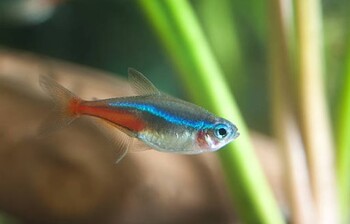
Using dark gravel or sand is highly recommended. It helps mimic natural riverbeds and makes tetra colors, especially neon and cardinal varieties, stand out beautifully.
Before adding substrate, make sure it’s thoroughly washed to remove dust and debris.
Add Natural Elements
Tetras feel safest in tanks with plenty of hiding spots. You can create this by adding:
- Driftwood (for a natural, tannin-rich look)
- Smooth rocks
- Leaf litter (optional, for advanced setups)
These elements don’t just look good, they provide shelter and reduce stress.
Live Plants: A Must-Have Feature
Plants are one of the most important parts of a tetra tank. In fact, many beginner emphasize plants as essential, and for good reason.
Some excellent beginner-friendly options include:
- Anubias
- Java fern
- Amazon sword
- Hornwort
These plants provide shade, improve water quality, and give tetras places to hide and explore.
Floating plants can also help dim the lighting, which tetras prefer.
Water Conditions and Parameters
Maintaining proper water conditions is key to keeping your tetras healthy.
Temperature
Keep the water between 72–78°F (22–26°C) using a reliable heater.
pH Level
Tetras are adaptable, but they do best in slightly acidic to neutral water:
- Ideal range: pH 6 to 8
Water Conditioning
Tap water often contains chlorine and harmful chemicals, so always treat it with a conditioner like Tetra AquaSafe Water Conditioner before adding it to your tank.
Filtration: Keep It Gentle
Tetras don’t like strong currents. A gentle filter, such as a sponge filter or adjustable flow filter, is ideal.
The goal is to keep the water clean without creating strong water movement. If your filter flow seems too strong, you can reduce it or use plants and decorations to break up the current.
Cycling the Tank (Very Important)
Before adding fish, your tank must go through a process called the nitrogen cycle.
This allows beneficial bacteria to grow and break down harmful waste like ammonia and nitrites.
How Long Should You Cycle?
- Minimum: 24 hours (basic setup check)
- Recommended: 1–2 weeks or longer
Some products, like Tetra SafeStart Plus, can help speed up this process by introducing beneficial bacteria.
Skipping this step is one of the most common beginner mistakes, so don’t rush it.
Introducing Your Tetra Fish
Once your tank is ready, it’s time to add your fish, but do it slowly.
Keep Them in Schools
Tetras are schooling fish, which means they feel safe in groups. Always keep at least 6 to 10 fish together.
A larger group often results in:
- Brighter colors
- More natural behavior
- Less stress
Proper Acclimation
When bringing new fish home:
- Float the sealed bag in the tank for about 20–30 minutes
- This helps match the temperature
- Gradually introduce tank water into the bag
- Then release the fish gently
Compatibility With Other Fish
Tetras are peaceful and do well in community tanks.
Good tank mates include:
- Guppies
- Corydoras catfish
- Rasboras
- Small gouramis
Avoid aggressive or large fish like cichlids that may chase or eat them.
Lighting and Environment
Tetras prefer moderate lighting. Bright lights without cover can stress them out.
To create a comfortable environment:
- Use plants for shade
- Avoid overly intense lighting
- Consider a day/night light cycle
A slightly dim, natural-looking tank will keep your fish happier.
Feeding Your Tetras
Tetras are not picky eaters, but they thrive on a varied diet.
Feed them:
- High-quality flakes or micro pellets
- Occasional treats like brine shrimp or bloodworms
Only give what they can eat in 1–2 minutes, once or twice daily.
Overfeeding can quickly pollute the water.
Regular Maintenance Routine
Keeping your aquarium clean is essential for long-term success.
Weekly Tasks
- Change 25–30% of the water
- Clean algae from glass
- Check filter performance
Monthly Tasks
- Rinse filter media (in tank water, not tap water)
- Trim plants if needed
Consistent maintenance keeps your water stable and your fish healthy.
Extra Tips, Insights, and Interesting Facts About Tetra Fish Aquariums
Once you’ve mastered the basics of a tetra fish aquarium setup, there are a few extra details that can take your tank from “good” to truly impressive. These small touches not only improve the health of your fish but also make the entire aquarium feel more natural and enjoyable to watch.
Understanding Tetra Behavior
One fascinating thing about tetras is their schooling behavior. In the wild, they swim in large groups not just for social reasons, but for protection against predators. In your aquarium, this instinct still exists.
When kept in proper groups, you’ll notice:
- Smooth, synchronized swimming patterns
- Less hiding and more active movement
- Brighter, more vibrant colors
If your tetras seem shy or scattered, it’s often a sign that something is off, either the group is too small or the environment feels unsafe.
The Role of “Blackwater” Conditions
Many tetra species naturally live in what’s called blackwater environments, streams stained slightly brown from decaying leaves and wood. While you don’t need to fully replicate this, adding driftwood or almond leaves can gently tint the water and release beneficial tannins.
Benefits of tannins include:
- Mild antibacterial properties
- Reduced stress for fish
- A more natural-looking tank
This subtle change can make a noticeable difference in how comfortable your tetras feel.
Choosing the Right Tetra Species
Not all tetras are exactly the same, even though they share similar care requirements. Some popular options include:
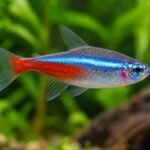
- Neon tetras – Bright blue and red, very popular for beginners
- Cardinal tetras – Similar to neon but with more intense red coloration
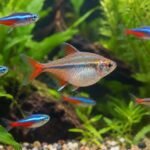
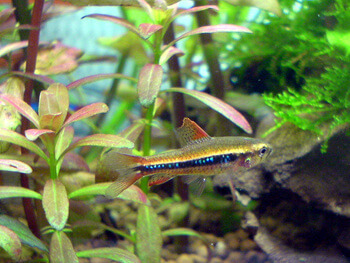
- Glowlight tetras – Known for their orange stripe
- Black skirt tetras – Slightly larger with a more dramatic look
Mixing different tetra species can work, but make sure they have similar size and temperament to avoid stress or competition.
Aquascaping for Tetras
Aquascaping is the art of arranging plants, rocks, and wood in your tank. For tetras, a natural, slightly dense layout works best.
A good rule of thumb:
- Keep the back and sides heavily planted
- Leave the center open for swimming
This gives your tetras the best of both worlds, security and space. Watching a school of tetras glide through an open area surrounded by greenery is one of the most satisfying sights in fishkeeping.
Water Stability Over Perfection
Many beginners worry too much about hitting the “perfect” pH or exact numbers. In reality, stability matters more than perfection.
Tetras can adapt to a range of conditions, but sudden changes can stress or even harm them.
For example:
- A stable pH of 7.5 is better than a fluctuating 6.5–7.5
- Consistent temperature is more important than hitting exactly 75°F
Investing in a simple thermometer and test kit can go a long way in maintaining consistency.
Signs of a Healthy Tetra Tank
A well-set-up aquarium has its own rhythm, and your fish will show you when things are going right.
Healthy tetras typically:
- Swim actively in groups
- Display bright, consistent coloration
- Eat eagerly during feeding time
- Rarely hide for long periods
On the other hand, dull colors, clamped fins, or erratic swimming can be early warning signs that something needs attention.
Fun Fact: Tetras Can “Talk” Without Sound
While they don’t make audible noises, tetras communicate through body language and movement. Subtle changes in swimming patterns can signal stress, curiosity, or even hierarchy within the group.
Observing these small behaviors over time helps you understand your fish better, and makes the hobby much more engaging.
Creating a Relaxing Viewing Experience
A tetra aquarium isn’t just for the fish, it’s also for you. Many hobbyists find that watching a calm, well-balanced tank helps reduce stress.
To enhance your viewing experience:
- Place the tank at eye level
- Avoid high-traffic, noisy areas
- Use a timer for consistent lighting cycles
Over time, your aquarium becomes more than just a decoration, it turns into a peaceful, living ecosystem.
Final Thoughts
A proper tetra fish aquarium setup isn’t complicated, but it does require attention to detail. By following the basics, like choosing the right tank size, maintaining stable water conditions, and providing plants and hiding spaces, you’ll create an environment where your fish can truly thrive.
As many quick guides suggest, the essentials are simple. But when you take the time to do it right, you’ll notice the difference immediately: brighter colors, active schooling behavior, and a peaceful, beautiful aquarium.
FAQs About Tetra Fish Aquarium Setup
1. What is the minimum tank size for tetra fish?
A 10-gallon tank is the minimum, but 15–20 gallons is better for stability and space.
2. How many tetras should I keep together?
At least 6–10 fish. They are schooling fish and become stressed when kept alone or in small groups.
3. Do tetra fish need a heater?
Yes. Most tetras are tropical fish and require temperatures between 72–78°F.
4. Can tetras live without plants?
They can, but it’s not ideal. Plants provide shelter, reduce stress, and improve water quality.
5. How often should I clean my tetra tank?
Perform partial water changes (25–30%) weekly and do light maintenance regularly.
6. Are tetra fish good for beginners?
Yes, they are one of the best beginner fish due to their peaceful nature and simple care needs.
7. Why are my tetras hiding?
They may be stressed due to poor water conditions, lack of plants, or being kept in too small a group.
With the right setup and care, your tetra aquarium can become a calm, vibrant centerpiece in your home, one that’s both easy to maintain and enjoyable to watch every day.