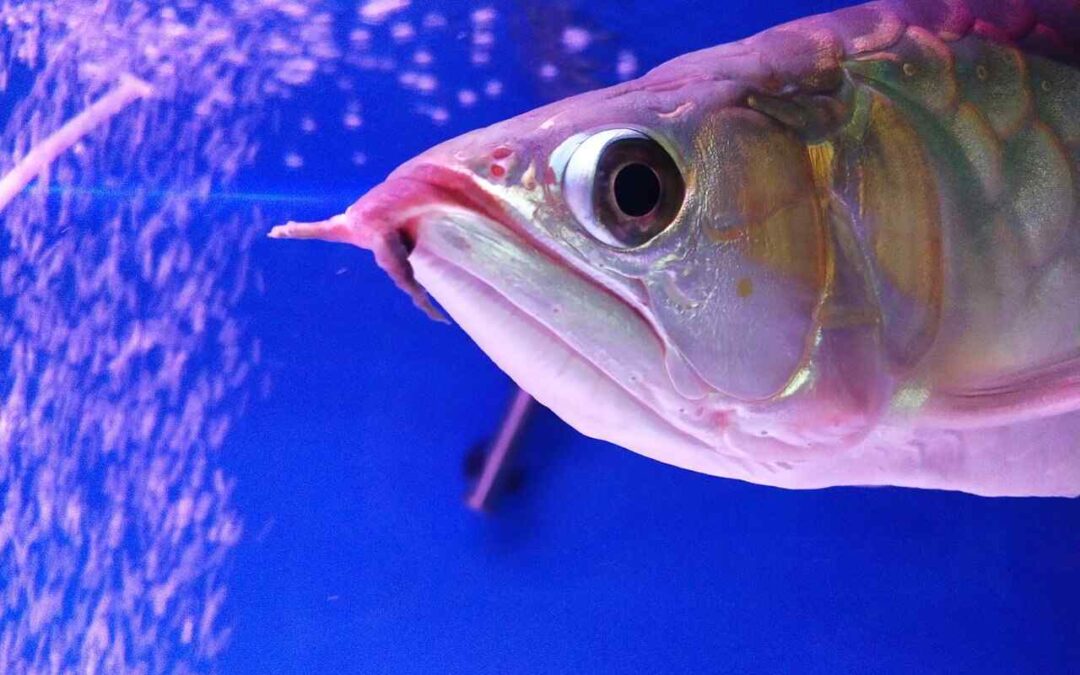
Arowanas are often called the “dragon fish” of the aquarium world—and for good reason. With their long, sleek bodies, metallic scales, and powerful presence, they’re one of the most impressive freshwater fish you can keep. But owning one isn’t just about aesthetics. Properly learning how to care for arowana is essential, because these fish demand space, attention, and commitment.
Drawing from widely accepted aquarium practices, arowanas are large, predatory fish that can grow up to 2–3 feet in length and require very specific conditions to thrive. Let’s walk through everything you need to know in a clear, practical, and human-friendly way.
Understanding Arowana Fish
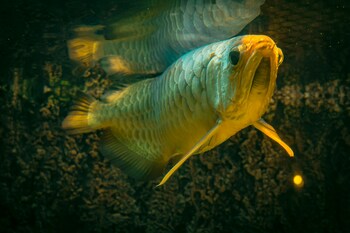
Arowanas are freshwater fish native to South America, Asia, and Australia. They are known for:
- Their surface-dwelling behavior
- Upturned mouths designed for catching prey above water
- Strong jumping ability
- Long lifespan (10–15+ years with proper care)
They are intelligent and often recognize their owners, which makes them both fascinating and interactive pets—but also more demanding than beginner fish.
Tank Size and Setup
Why Size Matters
One of the most important aspects of arowana care is tank size. These fish grow fast and large, so planning ahead is critical.
- Minimum tank size: 250 gallons for adults
- Preferred dimensions: Long and wide rather than tall
- Swimming space: Essential for their health and natural movement
Juveniles can start in smaller tanks, but they quickly outgrow them. Upgrading is not optional—it’s inevitable.
Tank Setup Tips
- Use a bare or minimally decorated tank to prevent injury
- Add smooth driftwood if desired (avoid sharp objects)
- Keep the tank open at the top area for swimming space
Water Quality and Parameters
Maintaining stable, clean water is crucial since arowanas produce a lot of waste.
Ideal Water Conditions
- Temperature: 75–86°F (24–30°C)
- pH: 6.5–7.5 (neutral range)
- Stability: More important than hitting exact numbers
These values align closely with general recommendations you’ll often see in aquarium guides, consistent conditions are key.
Water Maintenance Routine
- Perform 20–30% water changes weekly
- Use a reliable water conditioner
- Monitor ammonia, nitrite, and nitrate levels regularly
Because of their size and feeding habits, neglecting water quality can quickly lead to health issues.
Filtration Requirements
Arowanas are heavy waste producers, so strong filtration isn’t optional—it’s essential.
Best Filtration Options
- High-capacity canister filters
- Sump systems for larger setups
- Combination of mechanical and biological filtration
The goal is to keep the water crystal clear and free from harmful toxins.
Diet and Feeding
Arowanas are carnivores and natural hunters. Feeding them properly is one of the most enjoyable parts of keeping them.
What Do Arowanas Eat?
They prefer surface feeding and thrive on a varied diet:
- Insects (crickets, mealworms)
- Shrimp and prawns
- Small fish (use caution with feeder fish)
- Frozen foods (like bloodworms)
- Pellets designed for carnivorous fish
Feeding Tips
- Feed once or twice daily
- Avoid overfeeding—it can cause health problems
- Rotate foods to ensure balanced nutrition
According to commonly summarized care guides, variety is crucial for both health and preventing boredom.
The Importance of a Secure Lid
Arowanas are notorious jumpers. In the wild, they leap out of the water to catch prey—and they will do the same in your tank.
Safety Measures
- Use a tight-fitting lid at all times
- Cover any gaps or openings
- Avoid sudden movements that might startle the fish
This is one of the most overlooked yet critical aspects of care.
Lighting Needs
Arowanas don’t need intense lighting and can actually become stressed if exposed to overly bright conditions.
Ideal Lighting Setup
- 6–8 hours of light per day
- Use soft or moderate lighting
- Provide shaded areas if possible
Keeping lighting balanced helps reduce stress and promotes natural behavior.
Tankmates: Yes or No?
Arowanas can be aggressive and territorial, especially as they grow.
Best Tankmate Options
- Large, non-aggressive fish
- Stingrays
- Large catfish
Tankmate Guidelines
- Avoid small fish—they will be eaten
- Avoid aggressive species that may provoke fights
- Monitor behavior closely
Many experienced keepers prefer keeping arowanas alone to avoid complications.
Common Health Issues
Even with good care, arowanas can develop certain health problems.
1. Drop Eye
This condition causes one or both eyes to permanently point downward.
Possible causes:
- Feeding from the bottom
- Excess fat in diet
- Stress
Prevention:
- Encourage surface feeding
- Maintain a healthy diet
- Keep the tank environment calm
2. Barbel Damage
The barbels (whisker-like appendages) can get injured if the fish panics.
Causes:
- Hitting tank walls
- Sharp decorations
Prevention:
- Provide ample space
- Keep the environment stress-free
3. Water Quality Issues
Poor water can lead to:
- Fin rot
- Lethargy
- Loss of appetite
This is why regular maintenance is absolutely essential.
Lifespan and Commitment
Arowanas are not short-term pets.
- Average lifespan: 10–15+ years
- Some species can live even longer with excellent care
Owning one is a long-term responsibility, similar to caring for a large dog or exotic pet.
Additional Insights and Fascinating Facts About Arowana Care
If you’re already intrigued by arowanas, there’s even more beneath the surface—literally and figuratively. Beyond the basic care requirements, these fish have unique traits and behaviors that make them stand out in the aquarium hobby.
Arowanas Are Living Fossils
One of the most fascinating facts about arowanas is that they belong to an ancient group of fish that dates back over 100 million years. This means they swam alongside dinosaurs, largely unchanged in body structure. Because of this, they’re often referred to as “primitive fish,” but don’t let that fool you—their hunting skills and awareness are incredibly advanced.
Their evolutionary design explains a lot about their behavior today, especially their surface-feeding habits and powerful jumping ability.
Their Jumping Ability Is No Joke
We mentioned earlier that arowanas are jumpers—but it’s worth emphasizing just how impressive (and risky) this behavior is.
In the wild, arowanas can leap up to 3 feet (or more) out of the water to catch insects, birds, or small animals hanging above branches. In an aquarium, this instinct doesn’t disappear.
This is why many experienced keepers double-secure their lids or even weigh them down slightly. It’s not paranoia—it’s prevention. One unexpected jump can lead to serious injury or loss of the fish.
Intelligence and Personality
Arowanas are often described as having “dog-like” personalities. While that might sound exaggerated, many owners genuinely notice:
- Recognition during feeding time
- Following movement outside the tank
- Reduced fear around familiar people
Some arowanas even learn to take food from their owner’s hand. This level of interaction is rare among fish and adds to their appeal.
The Myth and Meaning Behind Arowanas
In many Asian cultures, arowanas—especially the Asian varieties—are considered symbols of:
- Wealth
- Prosperity
- Good luck
They are often called “dragon fish” because their scales resemble the mythical Chinese dragon. Because of this cultural significance, some rare arowana species can sell for thousands—or even tens of thousands—of dollars.
Even if you’re not keeping them for symbolism, it’s interesting to know that your aquarium centerpiece carries deep cultural meaning around the world.
Growth Rate and Planning Ahead
Arowanas don’t just grow big, they grow fast. Many beginners underestimate this and end up unprepared.
- Juveniles may start at just a few inches
- They can grow 1–2 inches per month under ideal conditions
- Within a year, they may already require a massive tank
This rapid growth is why experienced aquarists often say: “Buy the big tank first.” It saves time, money, and stress—for both you and the fish.
Feeding Behavior: More Than Just Eating
Feeding an arowana isn’t just routine—it’s an experience. Watching them strike at food on the surface is one of the highlights of owning one.
However, it’s important to avoid turning feeding into a spectacle that causes long-term issues.
A Common Mistake: Overusing Live Feeders
While feeder fish may seem natural, they come with risks:
- Disease transmission
- Poor nutritional balance
- Increased aggression
A better approach is to train your arowana to accept frozen or pellet foods, which are safer and more nutritious.
Stress Is a Silent Problem
Arowanas are hardy in some ways, but they are also sensitive to stress. The tricky part? Stress isn’t always obvious right away.
Signs of stress may include:
- Loss of appetite
- Erratic swimming
- Hiding or staying still
- Faded coloration
Common stress triggers:
- Sudden tank changes
- Loud noises or vibrations
- Poor water quality
- Overly bright lighting
Keeping their environment stable and calm goes a long way in preventing problems before they start.
Color Development and Enhancement
One of the most exciting aspects of keeping arowanas is watching their color develop over time.
Depending on the species, they may display:
- Metallic silver
- Deep red
- Golden hues
- Green or blue tones
Color is influenced by:
- Genetics
- Diet
- Lighting
- Water quality
High-quality food rich in nutrients can enhance their natural coloration, but it’s important to avoid artificial shortcuts or unsafe additives.
Minimalist Tanks Work Best
Unlike planted aquariums filled with decorations, arowana tanks are often kept simple—and for good reason.
A clutter-free tank:
- Reduces injury risk
- Provides more swimming space
- Makes maintenance easier
Many experienced keepers prefer a clean, open look where the fish itself becomes the main visual focus.
A True Showpiece Fish
At the end of the day, an arowana isn’t just another aquarium fish—it’s a statement. It’s the kind of fish that instantly captures attention and becomes the centerpiece of any room.
But that beauty comes with responsibility.
They require:
- Space
- Consistency
- Observation
- Long-term commitment
If you’re willing to provide all of that, you’ll be rewarded with a fish that’s not only stunning but also interactive and deeply fascinating to watch over the years.
Final Thoughts
Caring for an arowana is both challenging and incredibly rewarding. These fish are intelligent, powerful, and visually stunning—but they require dedication.
To recap the essentials:
- Provide a large, secure tank (250+ gallons)
- Maintain clean, stable water conditions
- Use strong filtration systems
- Feed a varied carnivorous diet
- Always use a tight lid to prevent jumping
When cared for properly, an arowana becomes more than just a fish—it becomes the centerpiece of your aquarium and a true companion.
FAQs About Arowana Care
1. Are arowanas good for beginners?
Not really. Arowanas are best suited for intermediate to advanced fish keepers due to their size, diet, and tank requirements.
2. How fast do arowanas grow?
They grow quickly, especially in the first year. With proper feeding, they can reach over 12 inches within months.
3. Can I keep two arowanas together?
It’s risky. Arowanas are territorial and may fight unless housed in extremely large tanks with careful monitoring.
4. Do arowanas recognize their owners?
Yes, many owners report that arowanas can recognize and respond to them, especially during feeding time.
5. What is the best food for arowanas?
A varied diet of insects, shrimp, and high-quality pellets is ideal. Avoid relying solely on feeder fish.
6. Why is my arowana not eating?
Possible reasons include stress, poor water quality, or sudden changes in environment. Check water parameters first.
7. How do I prevent my arowana from jumping?
Use a tight-fitting lid and avoid sudden movements around the tank that might startle the fish.
If you’re ready to commit to their care, an arowana can be one of the most rewarding fish you’ll ever keep, graceful, powerful, and unforgettable.