
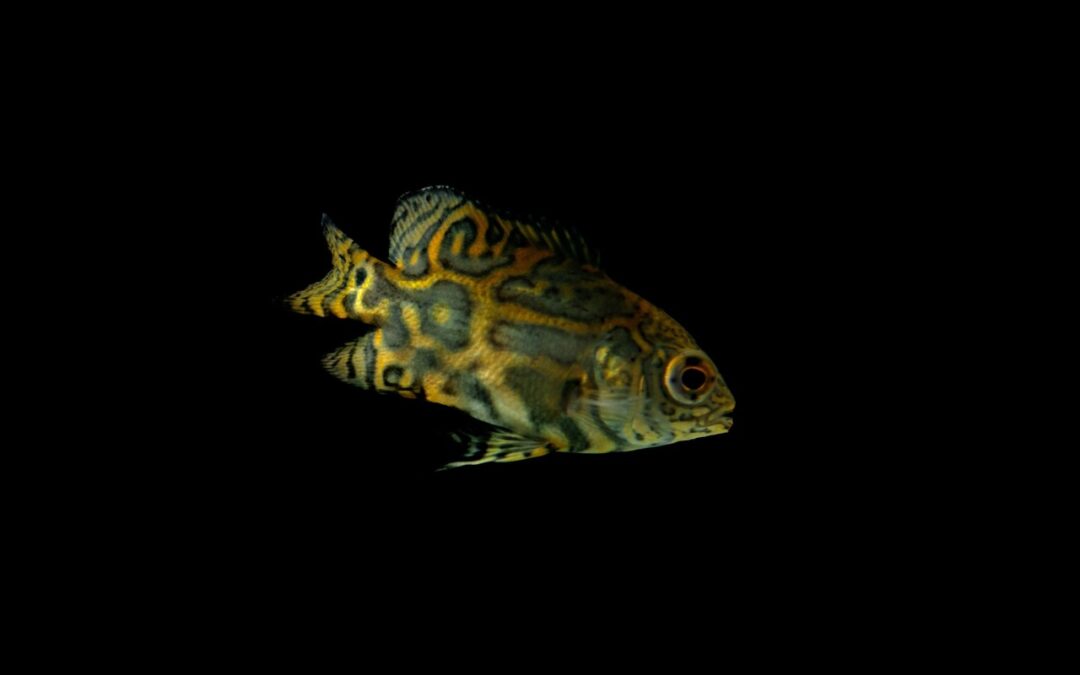
If you’ve ever seen an Oscar fish in person, you probably didn’t forget it. Known for their bold colors, expressive eyes, and almost pet-like behavior, the Oscar fish is one of the most recognizable freshwater fish in the aquarium hobby.
But what exactly does an Oscar fish look like? Whether you’re a beginner or just curious, this guide will walk you through their appearance in a clear, human-friendly way—using both expert knowledge and insights similar to what you’d find with some experts.
The Overall Appearance of an Oscar Fish
At first glance, Oscar fish have a thick, oval-shaped body that looks powerful and slightly compressed from the sides. Unlike slender fish, Oscars appear stocky and muscular, giving them a commanding presence in any tank.
They also have:
- Large dorsal and anal fins that stretch along much of their body
- A rounded tail (caudal fin)
- A slightly bulging forehead, especially in mature individuals
- A smooth, almost velvety texture to their scales
Their size is another standout feature. In home aquariums, most Oscars grow to about 12–14 inches, though they can reach up to 16 inches. In the wild, they may even grow larger.
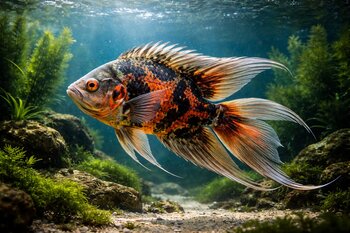
Their Signature Colors and Patterns
One of the most exciting things about Oscar fish is their wide range of colors. While all Oscars share a similar body shape, their patterns and color combinations can vary dramatically.
1. Tiger Oscar (Most Common)
This is the classic Oscar most people recognize.
- Base color: Dark grey or black
- Markings: Bright orange or red in a marbled, tiger-like pattern
- Appearance: Bold and high contrast
The tiger Oscar’s pattern often looks like flames or camouflage, making it especially eye-catching.
2. Red Oscar
Red Oscars are more solid in appearance.
- Base color: Deep red or orange
- Back: Dark brown or black shading
- Pattern: Less marbling, more color block-style coverage
They often look more “painted” compared to tiger Oscars.
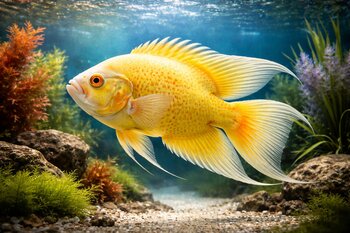
3. Albino Oscar
Albino varieties stand out instantly.
- Body: White or pale cream
- Markings: Bright orange or red patches
- Eyes: Pink or red
Despite the name, they’re not always pure white—they usually still have colorful patterns.
4. Wild-Type Oscar
This is what Oscars look like in nature.
- Color: Olive green, brown, or dark grey
- Markings: Subtle orange or muted patterns
- Purpose: Camouflage in rivers and vegetation
They’re less flashy but more natural-looking.
The Famous “Eye-Spot” (Ocelli)
One of the most defining features of an Oscar fish is its eye-spot, also known as an ocellus.
This is:
- A black circular spot
- Surrounded by a ring of bright orange or red
- Located near the base of the tail
It resembles a second eye—and that’s exactly the point.
Why do Oscars have eye-spots?
According to commonly shared insights by the experts, these spots help:
- Confuse predators
- Make attackers think the fish is facing the opposite direction
- Protect the fish’s more vulnerable head area
It’s a simple but clever survival adaptation.
Facial Features and Expression
Oscar fish are often described as having expressive faces, which is unusual for fish.
Here’s what stands out:
- Large, forward-facing eyes
- A wide mouth that opens dramatically when feeding
- Subtle movements that can look like “watching” you
Because of these features, many owners feel like their Oscar recognizes them—and in many cases, it actually does.
Why They’re Called the “Water Dog”
Oscar fish aren’t just about looks—they also behave in ways that make their appearance even more memorable.
They’ve earned the nickname “water dog” because they:
- Swim up to greet their owners
- Follow movement outside the tank
- Show curiosity and even mood changes
This behavior enhances their visual appeal—they don’t just look interesting, they act alive and aware.
Size and Growth: From Small to Impressive
When young, Oscar fish may only be a couple of inches long. At this stage, their colors may look dull or underdeveloped.
But don’t be fooled—they grow quickly.
- Juveniles: 2–4 inches
- Sub-adults: 6–10 inches
- Adults: 12–14 inches (common in tanks)
As they grow:
- Their colors become deeper and more vibrant
- Their patterns become more defined
- Their body becomes more robust and thick
Because of this rapid growth, they require large aquariums (55–75 gallons minimum) to stay healthy.
Texture and Movement
Oscar fish have a smooth, velvety appearance, especially under aquarium lighting.
Their movement is:
- Slow and deliberate
- Less frantic than smaller fish
- Often described as “gliding”
This calm movement adds to their majestic look, making them a centerpiece fish in many aquariums.
Differences Between Male and Female Oscars
Visually, it’s very difficult to tell males and females apart.
Unlike some fish species, Oscars:
- Do not have obvious color differences between sexes
- Share the same body shape and size
- Only show subtle differences during breeding
Most aquarists can’t reliably distinguish them without observing breeding behavior.
How Lighting Affects Their Appearance
Oscar fish can look different depending on:
- Tank lighting
- Water clarity
- Mood and stress levels
For example:
- Bright lighting enhances reds and oranges
- Dim lighting makes them appear darker and more muted
- Stress can dull their colors temporarily
So if your Oscar looks different from day to day, that’s completely normal.
Additional Insights and Fascinating Facts About Oscar Fish
Now that you already have a clear picture of what an Oscar fish looks like, let’s dive a little deeper into the details that make this species even more interesting. Beyond their basic appearance, Oscars have subtle traits and quirks that many first-time owners don’t notice right away—but once you do, it completely changes how you see them.
Their Colors Can Reflect Their Mood
One lesser-known but fascinating detail is that Oscar fish can slightly change their coloration depending on their mood or environment.
For example:
- When relaxed and healthy, their colors appear rich, vibrant, and well-defined
- When stressed, sick, or startled, their colors may look duller or darker
- During feeding or excitement, their patterns can seem more contrasted and vivid
This doesn’t mean they change color dramatically like a chameleon, but the shifts are noticeable enough that experienced fishkeepers use color as a quick health indicator.
Each Oscar Has a Unique Pattern
Just like fingerprints in humans, no two Oscar fish have exactly the same markings.
Even among the same variety—like tiger Oscars—the arrangement of orange or red patterns is always slightly different. Some may have:
- Heavy marbling across the entire body
- Concentrated color patches near the midsection
- Minimal markings with more dark space
This individuality is part of what makes them so appealing. When you own an Oscar, you’re not just keeping a species—you’re keeping a one-of-a-kind fish.
Their Eyes Are More Expressive Than You Think
A lot of fish have round, glassy eyes, but Oscars are different. Their eyes seem more focused and reactive, which contributes to their “pet-like” personality.
You might notice:
- They track movement across the room
- They react when you approach the tank
- They may even beg for food when they see you
This is one reason why their appearance feels more “alive” compared to other fish. It’s not just their body—it’s the way their eyes and movements work together.
Their Fins Add to Their Personality
While most people focus on their colors, the fins of an Oscar fish also play a big role in how they look.
Their:
- Dorsal (top) fin runs long and smooth along the back
- Anal (bottom) fin mirrors the dorsal fin for balance
- Pectoral fins (on the sides) move constantly, almost like subtle gestures
When an Oscar is calm, their fins flow gently. But when they feel threatened or excited, they may:
- Flare their fins outward
- Hold them more rigidly
- Move more abruptly
These changes make their appearance feel dynamic rather than static.
Oscars Have a “Head Growth” in Some Cases
In some larger or well-fed individuals, especially males, you might notice a slight bulge or hump on the forehead.
This is sometimes compared (very loosely) to the nuchal hump seen in other cichlids. While not always present, it can:
- Make the fish look more dominant
- Add to their already strong, chunky appearance
It’s not something every Oscar develops, but when it does appear, it makes them look even more distinctive.
They Can Recognize Their Owners
This isn’t just a myth—Oscar fish are widely believed to have high intelligence for a fish, and many owners report consistent recognition behavior.
Visually, this shows up as:
- Swimming quickly toward the glass when you approach
- Ignoring strangers but reacting to familiar people
- Following your movement across the tank
This behavior enhances how we perceive their appearance. They don’t just look like a fish—they look like a responsive companion.
Their Growth Changes Their Look Dramatically
One of the most surprising things about Oscars is how much their appearance evolves over time.
As they grow:
- Their body becomes thicker and more muscular
- Their face looks more defined and slightly heavier
- Their colors deepen and spread
A small juvenile Oscar can look completely different from its adult form. This transformation is part of the excitement of raising one.
They’re Not a “Clean” Looking Fish—And That’s Okay
Unlike sleek, minimalistic fish like tetras, Oscars have a rugged, slightly messy aesthetic.
Their patterns are:
- Irregular
- Bold
- Sometimes chaotic
But that’s exactly what makes them visually interesting. They don’t have perfect symmetry—instead, they have character and texture, which many aquarists prefer.
Final Thoughts
So, what does an Oscar fish look like?
In simple terms, it’s a large, thick-bodied freshwater fish with bold colors, unique patterns, and a signature eye-spot near its tail. But beyond that, it’s their personality, movement, and interaction that truly bring their appearance to life.
Whether it’s a fiery tiger Oscar or a pale albino variety, each one has its own distinct look—making them one of the most visually fascinating fish you can keep.
FAQs About What an Oscar Fish Looks Like
1. How big does an Oscar fish look when fully grown?
An adult Oscar fish typically reaches 12–14 inches in aquariums, though some can grow larger with proper care.
2. What is the most recognizable feature of an Oscar fish?
The most distinctive feature is the eye-spot (ocellus) near the tail, which looks like a fake eye with orange or red rings.
3. Are all Oscar fish black and orange?
No. While many are dark with orange markings, others can be red, albino (white with orange), or more natural olive tones.
4. Do Oscar fish change color as they grow?
Yes. Juvenile Oscars often look dull, but their colors become brighter and patterns clearer as they mature.
5. Why do Oscar fish look like they’re watching you?
They have large, expressive eyes and intelligent behavior, which makes them appear attentive and interactive with their owners.
6. Is an Oscar fish suitable for beginners?
They can be beginner-friendly in terms of personality, but their large size, messiness, and tank requirements make them better suited for prepared aquarists.
If you’re thinking about getting one, just remember: an Oscar fish isn’t just something you look at—it’s a fish that looks right back at you.