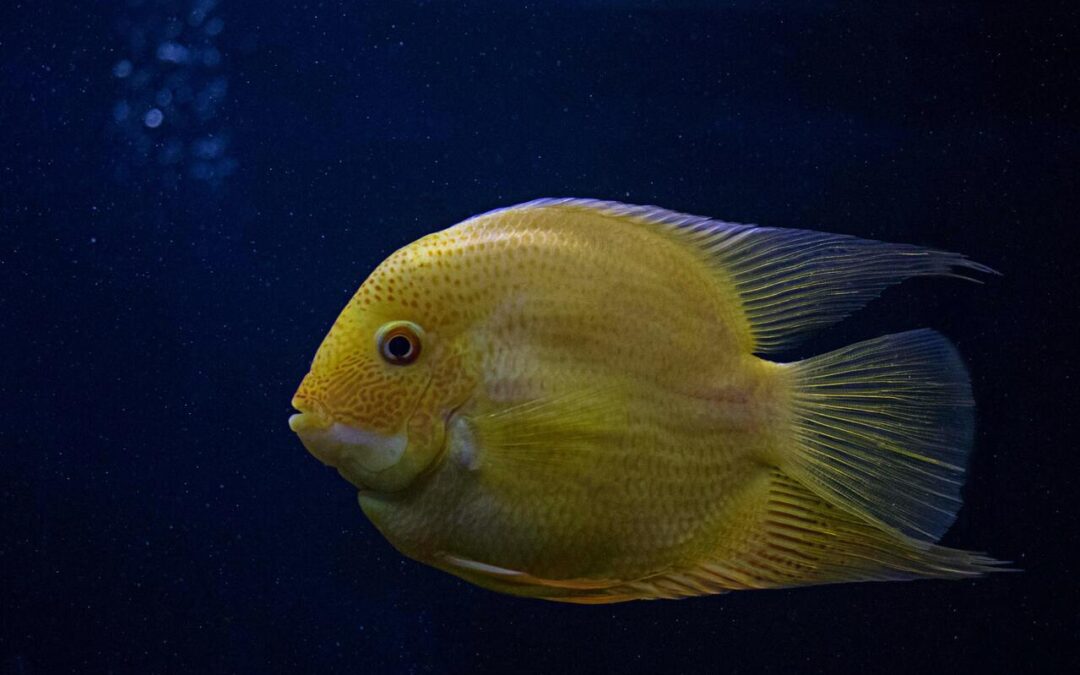
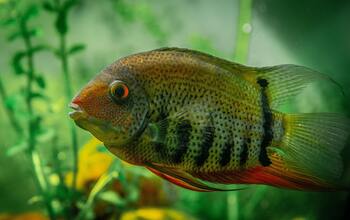
Oscar fish have earned a special place in the aquarium hobby thanks to their intelligence, bold personalities, and interactive behavior. Known scientifically as Astronotus ocellatus, these large South American cichlids are often called “water puppies” because of the way they recognize their owners and even beg for food.
According to many aquarium guides, Oscar fish are highly intelligent, territorial freshwater fish that can grow up to 12–14 inches long and require large aquariums with powerful filtration. They’re hardy but thrive only when their environment is stable and well-maintained.
While Oscars can make amazing pets, they are not a casual fishkeeping choice. Their large size, messy eating habits, and aggressive temperament mean they require more commitment than most aquarium fish.
If you’re considering keeping Oscar fish as pets, this guide will walk you through everything you need to know—from tank setup to diet, behavior, and long-term care.
What Makes Oscar Fish Unique?
Oscar fish are native to the slow-moving rivers and floodplains of the Amazon Basin in South America. In the wild, they live in warm freshwater environments filled with submerged roots, branches, and soft substrates.
What makes them stand out in the aquarium hobby is their remarkable intelligence. Many Oscar owners report that their fish:
- Recognize the person who feeds them
- Swim to the glass when their owner approaches
- Beg for food by wiggling or splashing
- Rearrange decorations in the tank
This level of interaction is why aquarists often compare Oscars to pets like dogs. They are curious, responsive, and surprisingly expressive for a fish.
However, their intelligence also means they need space, stimulation, and proper care to stay healthy.
Tank Size and Aquarium Setup
One of the most important factors in keeping Oscar fish as pets is providing enough space.
Although juvenile Oscars are often sold when they are only 2–3 inches long, they grow quickly and can reach 12 to 14 inches in length within a year or two.
Recommended Tank Size
- Minimum tank: 55 gallons for one Oscar
- Ideal tank: 75–100+ gallons for a single fish
- For a pair: 125 gallons or more
Because Oscars produce a lot of waste, larger tanks help maintain stable water conditions.
Filtration
Strong filtration is essential because Oscars are messy eaters and heavy waste producers.
Good filtration options include:
- High-capacity canister filters
- Dual filtration systems
- Large sponge filters for biological support
Many aquarists aim for 5–10 times the tank volume in filtration turnover per hour.
Water Parameters for Oscar Fish
Oscar fish are relatively hardy but still require stable water conditions.
Recommended parameters include:
- Temperature: 74–81°F (23–27°C)
- pH:0–8.0
- Water hardness: Soft to moderately hard
Weekly water changes of 25–50% are usually necessary to maintain water quality and prevent disease.
Poor water quality is one of the biggest causes of health issues in Oscars, especially hole-in-the-head disease.
Diet: What Do Oscar Fish Eat?
Oscar fish are carnivorous omnivores, meaning they prefer protein-rich foods but will eat a variety of items.
A healthy diet should include:
Staple Foods
- High-quality cichlid pellets
- Large floating pellets formulated for carnivorous fish
Protein Treats
- Frozen shrimp
- Bloodworms
- Krill
- Earthworms
- Pieces of fish or prawns
Occasional Foods
- Insects like crickets
- Small feeder shrimp
While feeder fish are sometimes offered, many experts discourage them because they can introduce parasites and diseases.
Feeding once or twice daily in moderate portions helps keep Oscars healthy without polluting the water.
Oscar Fish Temperament
Oscar fish are known for their bold and sometimes aggressive personalities.
They are:
- Territorial
- Dominant toward smaller fish
- Capable of attacking tank mates
Because of this, many aquarists keep Oscars alone in a species tank.
However, if the aquarium is large enough, some compatible tank mates may include:
- Large plecos
- Silver dollars
- Large catfish
- Other similarly sized cichlids
Small fish are almost always seen as food, so they should never be kept with Oscars.
Tank Decorations and Substrate
Oscar fish are famous for redecorating their tanks.
They dig in the substrate, push rocks, and uproot plants. This behavior is natural, as they would normally move debris while searching for food in the wild.
To avoid constant rearranging, choose durable aquarium decorations such as:
- Large rocks
- Heavy driftwood
- Artificial plants
- Sandy or smooth gravel substrate
Live plants usually don’t survive long with Oscars unless they are extremely hardy or securely attached.
Many owners simply embrace the behavior and let their fish design the tank layout themselves.
Lifespan of Oscar Fish
With proper care, Oscar fish can live 10–15 years, and some even reach 20 years in ideal conditions.
Their long lifespan means they should be considered a long-term pet, similar to adopting a cat or dog.
To help them live a full life:
- Maintain excellent water quality
- Feed a balanced diet
- Provide a spacious aquarium
- Monitor health regularly
When well cared for, Oscars become the centerpiece of a home aquarium.
Common Types of Oscar Fish
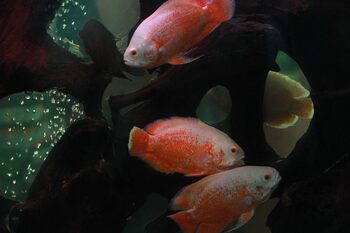
Over the years, breeders have developed several beautiful Oscar varieties.
Tiger Oscar
The most common type, featuring dramatic black bodies with bright orange or red marbled patterns.
Red Oscar
A selectively bred variety with a deep red coloration across the body.
Albino Oscar
A white-bodied Oscar with orange or red patterns and pink eyes.
Lemon Oscar
A rare yellow-toned variety with lighter patterns.
Although these varieties look different, their care requirements are exactly the same.
Health Issues to Watch For
Like many large aquarium fish, Oscars can experience certain health problems if their environment isn’t properly maintained.
Hole-in-the-Head Disease
This condition causes small pits to appear on the fish’s head and along the lateral line.
Common causes include:
- Poor water quality
- Nutritional deficiencies
- Lack of regular water changes
Fin Damage
Aggression or sharp decorations can cause torn fins.
Parasites
Introducing feeder fish or poorly quarantined tank mates can introduce parasites.
Maintaining clean water, proper nutrition, and quarantine procedures helps prevent most of these issues.
Interesting Facts and Extra Care Tips for Oscar Fish Owners
Beyond their impressive size and personality, Oscar fish have several fascinating traits that make them stand out in the aquarium world. Understanding these behaviors and care tips can help owners build a stronger connection with their fish and create a healthier environment for them.
One interesting fact about the Oscar fish, Astronotus ocellatus, is how quickly they grow. Juvenile Oscars often grow an inch or more per month during their first year when kept in a large tank and fed a nutritious diet. Because of this rapid growth, many aquarists are surprised at how quickly their small pet-store fish turns into a large, commanding aquarium centerpiece.
Another fascinating trait is their ability to learn routines. Many Oscar owners notice that their fish quickly figure out feeding schedules. When it’s close to feeding time, they may swim excitedly near the surface or follow movement outside the tank. Some even splash the water or gently bump the glass to get attention. This behavior is one of the reasons they are often described as “water puppies.”
Oscars also have a strong curiosity about their surroundings. If you place a new decoration, rock, or piece of driftwood in the aquarium, the fish will often inspect it closely. Within hours, they may decide to move it somewhere else. This behavior comes from their natural instinct to dig and manipulate their environment while searching for food in riverbeds.
Because they like to dig, many experienced aquarists recommend using sand or smooth gravel substrates. Sharp gravel can potentially injure the fish’s mouth when it sifts through the substrate. Sand also makes it easier for the fish to display natural digging behaviors.
Another useful tip is to keep a tight-fitting lid on the aquarium. Oscar fish are powerful swimmers and can occasionally jump, especially if startled or during feeding excitement. A secure lid prevents accidents and keeps the fish safe.
Lighting can also influence Oscar behavior. Unlike some tropical fish that prefer bright lights, Oscars generally feel more comfortable in moderate or slightly dim lighting. Adding floating plants or driftwood can create shaded areas that mimic their natural Amazon habitat.
It’s also worth noting that Oscar fish can sometimes show mood changes. When stressed, bored, or unhappy with water conditions, they may become less active, refuse food, or display darker coloration. Observing these changes helps owners quickly identify potential issues with water quality or tank conditions.
Finally, Oscars are often considered a “wet pet” rather than just an aquarium fish. Their combination of intelligence, bold behavior, and responsiveness creates a pet-like experience that few other fish can match. With proper care, patience, and attention, an Oscar fish can become a fascinating and interactive member of the household aquarium for many years.
Are Oscar Fish Good Pets?
Oscar fish can make amazing aquarium pets for the right person.
They are interactive, intelligent, and often develop unique personalities. Some owners even report their Oscars splashing water or following their movements outside the tank.
However, they are not ideal for beginners because they require:
- Large aquariums
- Strong filtration
- Regular maintenance
- Careful selection of tank mates
If you’re willing to provide the space and care they need, Oscar fish can become one of the most rewarding freshwater fish to keep.
FAQs About Oscar Fish as Pets
Are Oscar fish good pets for beginners?
Oscar fish are generally not recommended for beginners. They require large aquariums, strong filtration, and regular maintenance, which can be challenging for new fishkeepers.
How big do Oscar fish get?
Oscar fish typically grow 12–14 inches long, although some individuals may grow even larger in very spacious aquariums.
Can Oscar fish live with other fish?
Yes, but only with large, robust species such as plecos, silver dollars, or other large cichlids. Small fish will likely be eaten.
How long do Oscar fish live?
With proper care, Oscar fish can live 10–15 years, and some may reach up to 20 years.
Do Oscar fish recognize their owners?
Yes. Many Oscar fish recognize their owners and respond to them, often swimming to the front of the tank or begging for food.
Why do Oscar fish move decorations?
This behavior is natural. Oscars are curious diggers that like to rearrange their environment while searching for food.