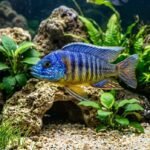

If you’ve ever watched cichlids in action, you already know they’re not shy fish. They dig, chase, claim territory, and rearrange their environment like underwater architects. That’s why choosing the right rocks for a cichlid tank isn’t just about looks—it’s about creating a healthy, stress-free home that matches their natural behavior.
Whether you’re keeping African cichlids from Lake Malawi or Tanganyika, or setting up a mixed cichlid tank, the right rock choices can make all the difference in water chemistry, aggression control, and overall tank stability. Let’s dive into everything you need to know.
Why Rocks Are Essential in a Cichlid Tank
Cichlids are territorial by nature. In the wild, they live among rocky shorelines, caves, and crevices where they hide, breed, and defend their space. Replicating this environment in your aquarium helps:
- Reduce aggression and stress
- Create natural territories
- Provide hiding and breeding spots
- Support proper pH and hardness (especially for African cichlids)
- Enhance the natural beauty of your tank
Unlike driftwood, which can soften and acidify water, most rocks used for cichlids support hard, alkaline conditions, which is exactly what African species need.
Best Rocks for Cichlid Tanks (Recommended Choices)
1. Limestone / Coral Rock / Florida Rock
These are some of the best rocks you can use for African cichlids.
Why they’re great:
- Naturally raise pH and water hardness
- Mimic Lake Malawi and Tanganyika environments
- Durable and easy to stack
These rocks slowly release calcium carbonate, helping maintain stable, alkaline water—perfect for African cichlids that thrive in higher pH levels.
2. Seiryu Stone
Seiryu stone is extremely popular in aquascaping and works wonderfully in cichlid tanks.
Benefits:
- Raises pH and hardness
- Beautiful, rugged appearance
- Ideal for rock formations and caves
It’s especially popular for African cichlid setups because it combines function with a natural, dramatic look.
3. Texas Holey Rock (Honeycomb Limestone)
This is one of the most recommended rocks for cichlid tanks.
Why cichlid keepers love it:
- Naturally full of holes and tunnels
- Excellent for hiding and breeding
- Raises pH and hardness
- Lightweight despite its size
Territorial fish love claiming individual holes, which reduces fighting and stress.
4. Shelf Rock / Stacking Rock
Shelf rocks are flat and easy to stack, making them perfect for building caves and ledges.
Best features:
- Stable structure
- Great for layered caves
- Allows creative aquascaping
These rocks are ideal for creating depth and visual interest while still being functional.
5. Lace Rock
Lace rock has a natural, porous look and works well in African cichlid tanks.
Why it’s useful:
- Raises pH slightly
- Provides hiding spots
- Looks natural and rugged
Just be sure to rinse thoroughly, as lace rock can be dusty.
6. Lava Rock & Dragon Stone (Neutral Options)
These rocks don’t significantly affect water chemistry but are excellent for structure.
Best for:
- Creating caves and visual depth
- Mixed or less aggressive cichlid tanks
- Aquarists who control pH separately
Lava rock is lightweight and porous, while dragon stone offers dramatic textures without altering water parameters.
Rocks to Avoid in Cichlid Tanks
❌ Driftwood – Lowers pH and softens water, which is bad for African cichlids
❌ Painted or artificial rocks – May leach toxins
❌ Sharp-edged stones – Can injure fish
❌ Unknown outdoor rocks – May contain harmful minerals or chemicals
If you’re unsure about a rock, do the vinegar test:
- Drop vinegar on the rock
- If it fizzes, it contains calcium carbonate and will raise pH
How Many Rocks Should You Use?
A good rule of thumb is:
3–4 kg (6–9 lbs) of rock per 10 gallons of water
This might seem like a lot, but cichlids prefer heavily structured environments. The goal is to break line-of-sight so dominant fish can’t constantly chase others.
Tips for Setting Up Rocks Safely
1. Rinse Everything
Always rinse rocks thoroughly with water (no soap) to remove dust and debris.
2. Place Rocks Before Substrate
Set rocks directly on the tank bottom or glass before adding sand. This prevents collapses if fish dig underneath.
3. Build Stable Structures
Use:
- Flat base rocks
- Interlocking shapes
- Aquarium-safe silicone (optional for stability)
4. Pair with the Right Substrate
Crushed coral or aragonite sand works great with cichlid rocks and helps maintain pH naturally.
5. Leave Swimming Space
Don’t overcrowd the tank. Leave open areas for swimming to prevent stress.
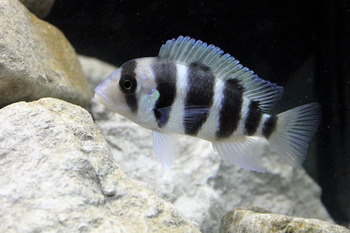
Fun Facts About Cichlids and Rocks
- Cichlids will rearrange rocks if they don’t like your layout.
- Some species dig pits under rocks for breeding.
- In the wild, entire cichlid colonies live in massive rock formations.
- More rocks = less aggression, because fish can’t constantly see each other.
Frequently Asked Questions (FAQs)
What are the best rocks for a cichlid tank?
Limestone, Texas holey rock, Seiryu stone, shelf rock, and lace rock are among the best. They help maintain high pH and provide hiding spots.
Do rocks raise pH in a cichlid tank?
Yes. Rocks like limestone, coral rock, and Seiryu stone raise pH and hardness, which is ideal for African cichlids.
Can I use lava rock in a cichlid tank?
Yes. Lava rock is safe and great for structure, but it doesn’t raise pH. It works best when combined with pH-buffering rocks.
How many rocks should I put in my cichlid tank?
Aim for about 3–4 kg per 10 gallons. More rocks help reduce aggression and create natural territories.
Should I boil rocks before adding them?
Boiling isn’t necessary and can be dangerous. Instead, rinse thoroughly and scrub with hot water.
Can I mix different types of rocks?
Yes, as long as they are aquarium-safe and stable. Many aquarists mix limestone with lava or shelf rock for both function and appearance.
Final Thoughts
Choosing the right rocks for your cichlid tank isn’t just about aesthetics—it’s about creating a healthy, stress-free environment that mirrors nature. By using pH-raising rocks like limestone, Seiryu stone, and Texas holey rock, you’ll support your cichlids’ natural behavior while building a stunning aquascape.
When done right, a rocky cichlid tank becomes more than an aquarium—it becomes a living underwater landscape your fish will truly thrive in.