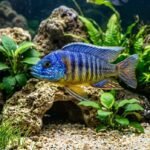

Cichlids are some of the most colorful, intelligent, and personality-packed fish in the aquarium hobby. But if you’ve ever kept one, you already know they can also be territorial, aggressive, and picky about tank mates. That often leads to one big question for fish keepers:
What fish can live with cichlids?
The answer depends on which cichlids you have, how your tank is set up, and how well you understand their behavior. Some cichlids are surprisingly peaceful, while others defend their territory like underwater gladiators.
In this guide, we’ll walk through compatible fish options, explain why some species work better than others, and share practical tips inspired by the real-world aquarium experience.
Understanding Cichlid Behavior First
Before choosing tank mates, it’s important to understand why cichlids can be challenging.
Cichlids are:
- Highly territorial
- Intelligent and curious
- Often aggressive during breeding
- Very sensitive to tank size and layout
According to experts, compatible fish for cichlids are generally large, fast, armored, or bottom-dwelling species that can handle aggression or stay out of harm’s way. The key is choosing fish that occupy different tank zones or can defend themselves without becoming bullies.
Also, not all cichlids behave the same:
- African cichlids (Mbuna, Peacock, Haplochromis) → aggressive, need hard water
- South American cichlids (Angelfish, Rams, Oscars) → often calmer, prefer softer water
- Dwarf cichlids → peaceful but territorial
Let’s explore the best tank mates by category.
Best Fish That Can Live With Cichlids
1. Catfish (Top Choice for Most Setups)
Catfish are among the best companions for cichlids because they’re bottom dwellers, often armored, and mostly nocturnal.
Great options include:
- Bristlenose Pleco – Hardy, stays smaller than common plecos, excellent algae eater
- Common Pleco – Tough but grows very large (not for small tanks)
- Synodontis Catfish (Petricola, Multipunctatus) – Ideal for African cichlid tanks
- Featherfin Catfish – Peaceful, fast, and durable
Why they work:
- Stay out of cichlids’ territory
- Thick skin and spines for protection
- Tolerate similar water parameters
Tip: Avoid delicate catfish like Corydoras with aggressive cichlids—they’re often bullied.
2. Loaches (Tough but Selective)
Loaches can work well with semi-aggressive cichlids, especially in larger tanks.
Best choices:
- Yoyo Loach (Botia lohachata) – Active, tough, and fast
- Skunk Loach (Botia striata) – Good scavenger, holds its own
- Clown Loach – Can work but needs soft water and large tanks
Loaches are bottom dwellers, which helps reduce conflict, but they do best with South American or less aggressive African species.
Tip: Avoid mixing loaches with extremely aggressive Mbuna unless the tank is very large.
3. Rainbowfish and Danios (Great “Dither Fish”)
Fast-swimming fish help reduce cichlid aggression by spreading attention and making the tank feel more active.
Top picks:
- Boesemani Rainbowfish – Colorful, fast, and confident
- Giant Danios – Extremely fast and hard to catch
- Turquoise Rainbowfish – Hardy and peaceful
These fish stay near the top of the tank, while cichlids usually dominate the middle and bottom zones.
✔ Great for reducing aggression
✔ Add movement and color
✔ Thrive in larger tanks
4. Sharks (With Caution)
Shark-like fish can work, but they’re not beginner-friendly.
Possible options:
- Red-Tailed Black Shark – Semi-aggressive but strong enough to coexist
- Silver Shark (Bala Shark) – Peaceful but grows very large
These fish require:
- Large tanks (75+ gallons)
- Plenty of swimming room
- Careful monitoring of aggression
They work best in African cichlid setups with lots of rockwork.
5. Other Cichlids (Carefully Chosen)
Yes, some cichlids can live with other cichlids—but compatibility is everything.
Good combinations include:
- Firemouth cichlids with similar-sized species
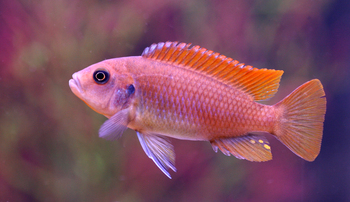
- Jewel cichlids in semi-aggressive setups
- Rams & Apistogramma with peaceful community fish
Avoid mixing:
- Aggressive African Mbuna with peaceful South American species
- Large predatory cichlids with small fish
Tank size, territory layout, and temperament matter more than species alone.
Important Considerations Before Adding Tank Mates
1. Aggression Level
African Mbunas are highly aggressive and need tough tank mates. South American cichlids are generally calmer and more community-friendly.
2. Water Parameters
- African cichlids: High pH (7.8–8.6), hard water
- South American cichlids: Soft, slightly acidic water
Never mix fish that require drastically different water conditions.
3. Tank Setup
Use:
- Rock piles
- Caves
- Driftwood
- Visual barriers
These help reduce stress and break line-of-sight aggression.
4. Add Fish in Groups
Adding multiple fish at once prevents one individual from being singled out and bullied.
Understanding Cichlid Compatibility Like a Pro
Keeping cichlids isn’t just about choosing colorful fish — it’s about understanding behavior, territory, personality, and even “fish politics.” Many beginners make the mistake of assuming fish will “figure it out,” but with cichlids, planning ahead makes all the difference between a peaceful tank and constant chaos.
Let’s dive deeper into what really makes or breaks cichlid tank compatibility.
Why Cichlids Are So Territorial (And What That Means for Tank Mates)
Cichlids come from environments where territory equals survival. In the wild, rocks, caves, and open spaces define breeding grounds, food access, and safety.
When placed in an aquarium:
- They claim territory quickly
- They defend breeding sites aggressively
- They may chase or bully weaker fish
This doesn’t make them “mean” — it makes them natural.
💡 Fun Fact:
Some cichlids can recognize individual fish and remember past conflicts. That means once a fish is labeled an “enemy,” it may never be forgiven!
This is why tank mates must either:
- Be tough enough to defend themselves
- Be fast enough to avoid conflict
- Live in a completely different tank zone
Best Tank Zones for Cichlid Compatibility
Understanding tank zones helps you choose fish that naturally avoid confrontation.
Bottom Zone (Best for Cichlid Tanks)
✔ Plecos
✔ Synodontis Catfish
✔ Loaches
These fish rarely challenge cichlids and spend most of their time scavenging.
Mid-Level Zone
✔ Other cichlids
✔ Larger barbs
✔ Some rainbowfish
This is the most dangerous zone because it’s where most cichlids live and defend territory.
Upper Zone
✔ Giant Danios
✔ Rainbowfish
✔ Silver sharks
Fast swimmers in this zone reduce aggression because cichlids can’t easily chase them.
Fun Fact: “Dither Fish” Actually Calm Cichlids
Dither fish are fast, confident swimmers that make shy or aggressive cichlids feel safe enough to relax.
When cichlids see other fish swimming calmly:
- They assume no predators are nearby
- Stress levels drop
- Aggression decreases
That’s why fish like giant danios and rainbowfish are often recommended — they act like peacekeepers without even trying.
African vs South American Cichlids: Why Mixing Is Risky
African Cichlids (Malawi, Tanganyika, Victoria)
- Very aggressive
- Prefer hard, alkaline water
- Rock-dwelling and territorial
- Best with other African species
Good companions:
- Synodontis catfish
- Bristlenose plecos
- Giant danios
- Some rainbowfish
South American Cichlids
- Generally calmer
- Prefer soft, acidic water
- Enjoy driftwood and plants
Good companions:
- Corydoras (with peaceful species)
- Tetras (larger types)
- Rams
- Angelfish (in large tanks)
Tip: Mixing African and South American cichlids is usually a bad idea due to water chemistry conflicts, even if aggression seems manageable.
Common Mistakes When Choosing Cichlid Tank Mates
❌ Choosing Fish Based on Looks
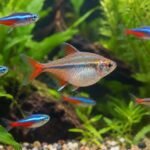
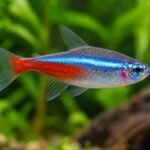
Many beautiful fish (like guppies or neon tetras) end up as expensive snacks.
❌ Ignoring Adult Size
That “cute” 2-inch cichlid may grow to 10 inches and dominate the tank.
❌ Overstocking Without Structure
More fish doesn’t always mean less aggression unless:
- There are hiding spots
- Territories are clearly defined
- Filtration is strong
❌ Not Quarantining New Fish
Cichlids are sensitive to stress-related diseases. Always quarantine new fish before adding them.
Fun & Surprising Cichlid Facts
🐟 Cichlids are great parents
Some species mouthbrood their babies, carrying them in their mouths for weeks.
🧠 They’re highly intelligent
Cichlids can recognize their owners and learn feeding routines.
🪨 They rearrange tanks on purpose
Many cichlids move rocks to redesign their territory.
🎨 Color = Mood
A stressed cichlid often fades in color, while a dominant one becomes brighter.
⚔️ They fight with rules
Most cichlid fights are displays, not battles — flaring fins, lip-locking, and chasing.
How to Set Up a Peaceful Cichlid Community Tank
Step 1: Choose the Right Tank Size
- Minimum: 55 gallons
- Ideal: 75–125 gallons
More space = fewer fights.
Step 2: Create Visual Barriers
Use:
- Rocks
- Driftwood
- Caves
- Artificial backgrounds
This breaks sightlines and prevents constant aggression.
Step 3: Add Fish Strategically
- Add less aggressive fish first
- Introduce cichlids last
- Rearrange décor before adding new fish to reset territories
Step 4: Feed Properly
Hungry cichlids are aggressive cichlids.
Feed:
- High-quality pellets
- Frozen foods (brine shrimp, bloodworms)
- Veggie-based foods for herbivores
Can Cichlids Live in Community Tanks?
Yes — but only under the right conditions.
Good Community Scenarios:
✔ Large tank (75+ gallons)
✔ Peaceful cichlids
✔ Fast or armored tank mates
✔ Similar water parameters
Bad Community Scenarios:
❌ Small tanks
❌ Mixed water requirements
❌ Slow or long-finned fish
❌ Overcrowding
Choosing the Right Tank Mates Makes All the Difference
Cichlids are bold, intelligent, and endlessly fascinating fish — but they demand respect. When you understand their behavior and choose tank mates wisely, you can build a vibrant, active aquarium that feels alive and balanced.
The key takeaways:
- Match temperament, not just size
- Choose fish that occupy different zones
- Provide space, structure, and hiding spots
- Know your cichlid species before adding tank mates
Do it right, and your cichlid tank won’t just survive — it will thrive.
FAQs About Fish That Can Live With Cichlids
What fish can live with African cichlids?
Good options include Synodontis catfish, Bristlenose plecos, giant danios, and some rainbowfish that tolerate hard water.
Can cichlids live with tropical community fish?
Only peaceful cichlids like Rams or Apistogramma can live with community fish. Aggressive cichlids usually cannot.
Are plecos safe with cichlids?
Yes, especially Bristlenose plecos. They are armored, nocturnal, and stay out of trouble.
Can I keep cichlids with tetras?
Generally no. Most tetras are too small and slow, making them easy targets.
What size tank is best for cichlid tank mates?
A minimum of 55 gallons is recommended, but larger tanks (75–125 gallons) work much better for mixed species setups.
Final Thoughts
Cichlids can absolutely live with other fish—but success depends on careful planning. When you choose tank mates that are fast, armored, bottom-dwelling, or equally confident, you dramatically improve your chances of a peaceful aquarium.
By understanding aggression levels, matching water parameters, and creating the right environment, you can enjoy a beautiful, active tank that showcases the best of cichlids and their companions.