Goldfish are often people’s first pets, and for good reason. They’re beautiful, peaceful, and surprisingly full of personality. But here’s the truth most people don’t realize: goldfish aren’t “easy” fish. They’re actually a long-term commitment—intelligent, curious creatures that can live for 10 to 20 years (sometimes even longer) when properly cared for.
If you’ve ever owned a goldfish that only survived a few weeks, don’t feel bad—it’s a common beginner experience. The problem isn’t the fish; it’s the myth that they can live happily in tiny bowls. Once you understand what they really need—space, clean water, a balanced diet, and some mental stimulation—you’ll see your goldfish thrive like never before.
In this guide, we’ll walk through every aspect of goldfish care, including personal insights and practical tips learned from real hobbyist experience.
Understanding Goldfish Behavior and Personality
One of the most delightful surprises for new owners is discovering that goldfish have unique personalities. Some are bold and always at the front of the tank begging for food, while others are shy and prefer to explore in the background.
They quickly learn routines—mine know the sound of the lid lifting or the hum of the food container—and will swim excitedly to greet me. Goldfish even recognize their owners over time, especially if you feed them consistently.
You’ll also notice small quirks:
- Some like to dig in the gravel looking for leftover food.
- Others “play” by swimming through bubbles or rearranging pebbles.
- Many rest near the bottom at night but perk up when morning light hits the tank.
Once you get to know them, they feel more like aquatic pets with personality than simple decorations.
The Right Home: Setting Up Your Goldfish Tank
Tank Size
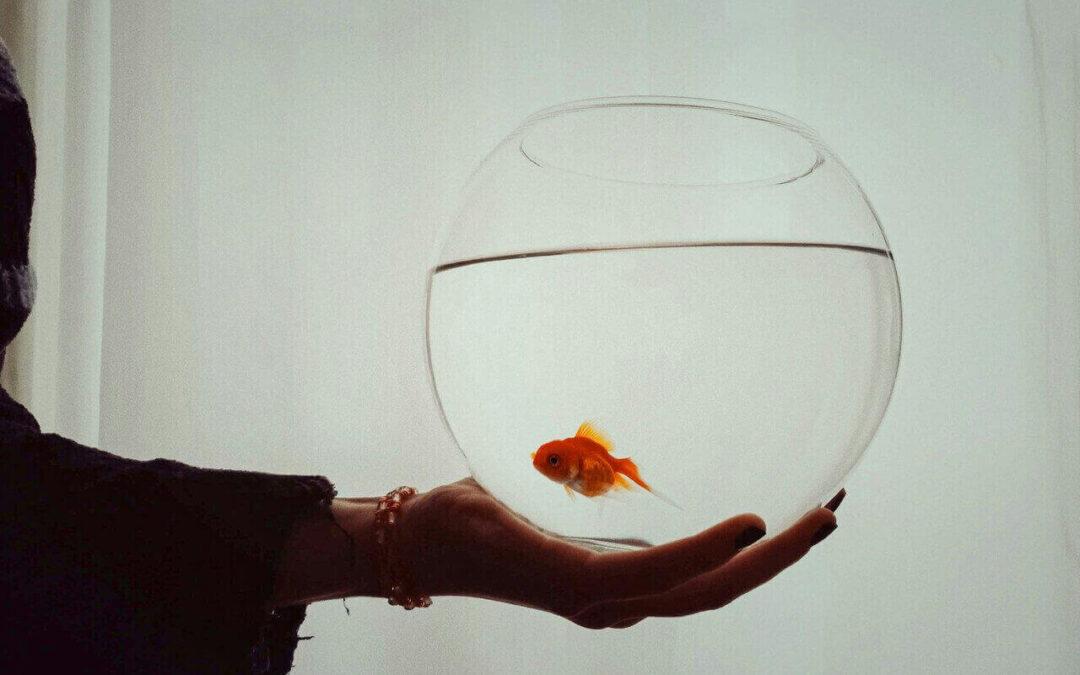
Forget the old cartoon image of a goldfish in a glass bowl—it’s one of the worst myths in fishkeeping. A single goldfish needs at least 10 gallons of water, and more is always better.
Goldfish grow large (some reaching 6–10 inches) and produce a lot of waste, so a small container becomes toxic fast. I started with a 20-gallon tank for two fancy goldfish and quickly upgraded to 40 gallons. The difference in their energy and color was night and day—they swam more, ate better, and were far more active.
Filtration and Aeration
Goldfish tanks must have strong filtration. Aim for a filter that can circulate the entire tank’s volume at least five times per hour. I use a canister filter for my larger tank—it’s powerful and easy to clean.
Goldfish also appreciate good oxygen levels. You can add an air stone or simply rely on your filter’s water movement. When I first added an air stone, my goldfish became noticeably more playful—they love to swim through the bubbles!
Water Quality
Good water quality is the secret to long-term success. Perform weekly partial water changes (25–50%) using a gravel vacuum to remove debris. Always treat new tap water with a water conditioner to neutralize chlorine and chloramine.
If you’ve ever noticed your goldfish gasping at the surface, it’s usually a sign of poor oxygen or ammonia buildup. Regular maintenance and testing your water parameters (using a test kit) will keep that from happening.
Ideal water parameters:
- pH:0–8.4
- Ammonia: 0 ppm
- Nitrite: 0 ppm
- Nitrate: below 40 ppm
Temperature
Goldfish are cold-water fish and do best between 65°F and 75°F (18°C–24°C). Avoid extreme fluctuations—they stress your fish and can lead to illness.
In my case, I keep my tank near a window but not directly under sunlight, so the temperature stays stable. In the colder months, I use a small adjustable heater to maintain consistency.
Decorations and Plants
Goldfish love to explore. Provide smooth decorations and silk or live plants for enrichment. Avoid sharp ornaments that can tear fins—especially for fancy breeds like Orandas or Fantails.
Live plants like Anubias, Java Fern, or Hornwort not only make the tank look natural but also help absorb excess nitrates. Just be ready—goldfish are known to nibble on them!
Feeding Your Goldfish the Right Way
Food Type
Feeding time is easily a goldfish’s favorite part of the day. Offer a varied diet for optimal health and color. Their staple should be high-quality goldfish pellets or flakes, but don’t stop there.
Goldfish love fresh vegetables like:
- Boiled and peeled peas (great for digestion)
- Blanched spinach or lettuce
- Small bits of zucchini or broccoli
I usually give peas once a week—it prevents constipation and “swim bladder” problems. Watching them chase a sinking pea like it’s treasure is oddly entertaining.
For extra protein, offer frozen or freeze-dried treats like bloodworms or brine shrimp once or twice a week. They go crazy for these snacks!
Feeding Schedule
Feed 2–4 small meals per day instead of one big one. Only give what they can finish within 1–2 minutes. Overfeeding is one of the most common mistakes—uneaten food decays, fouling the water.
Goldfish are opportunistic eaters. They’ll act hungry even when they’re full, so don’t be fooled by their begging. Their “puppy eyes” are hard to resist, but consistency keeps them healthy.
Keeping the Tank Clean and Healthy
Goldfish thrive in clean, stable environments. I set aside one day a week for light maintenance—it takes about 20–30 minutes.
Here’s my routine:
- Unplug the equipment (heater, filter).
- Use a gravel vacuum to remove 25–50% of the water.
- Clean decorations lightly if needed (never with soap!).
- Rinse filter media in old tank water—never under the tap.
- Refill the tank with treated, temperature-matched water.
The result? Clear water, healthy fish, and a tank that always looks fresh.
Also, keep an eye on your filter flow rate—goldfish tanks get dirty fast. If the water starts flowing slower, it’s time for a quick rinse of the filter media.
Tank Mates and Social Behavior
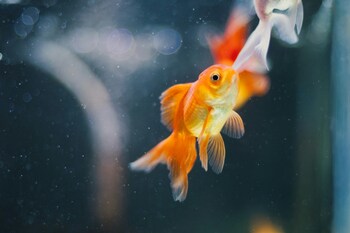
Goldfish are peaceful and generally social. They’re happiest with other goldfish—preferably of similar size and type. Mixing fancy goldfish (like Fantails) with slim-bodied types (like Commons) isn’t ideal since they swim at different speeds and compete unevenly for food.
Avoid tropical fish or fin-nippers. Goldfish prefer cooler water and can easily get stressed around more aggressive species.
If you only have one goldfish, don’t worry—they still do well solo, but make sure to provide enrichment and interaction to prevent boredom.
Enrichment and Interaction
Goldfish are more intelligent than most people think. They enjoy stimulation—new sights, sounds, and activities.
Here are some fun enrichment ideas:
- Hand feeding: With patience, goldfish can learn to eat directly from your fingers.
- Floating toys: Small, safe floating objects encourage them to push and explore.
- Food puzzles: Place pellets in a perforated plastic ball (made for small pets) to make them “work” for food.
- Tank rearranging: Occasionally move plants or decorations—it sparks curiosity and reduces boredom.
Often rearrange your tank once a month, and it’s fascinating to watch them inspect every new corner as if they’ve discovered an underwater world.
Long-Term Commitment
Goldfish can live for decades when properly cared for. There are real stories of goldfish living past 30 years in healthy environments. They grow attached to their surroundings—and in some ways, to you.
Over time, you’ll start recognizing their individual behaviors. Mine, for instance, will follow my finger along the glass and even rest in the same corner every night like clockwork.
Caring for a goldfish is less about maintenance and more about forming a small routine relationship—it’s relaxing and surprisingly rewarding.
Common Mistakes to Avoid
Even with good intentions, goldfish owners often make these mistakes:
- Keeping them in bowls: Bowls are too small and lack proper filtration.
- Skipping water changes: Leads to ammonia buildup and illness.
- Overfeeding: Causes digestive issues and dirty water.
- Using untreated tap water: Chlorine harms fish and beneficial bacteria.
- Ignoring temperature swings: Sudden changes stress your fish.
Avoiding these pitfalls is half the battle in keeping a healthy goldfish tank.
FAQs About Caring for Goldfish
1. How often should I clean my goldfish tank?
Perform 25–50% water changes weekly and vacuum the gravel. Clean filter media once a month in old tank water to preserve good bacteria.
2. Can goldfish live in bowls?
No. Bowls are too small, unfiltered, and lack oxygen. Goldfish need at least 10 gallons per fish for proper growth and health.
3. What temperature should I keep for goldfish?
Between 65°F and 75°F (18°C–24°C). Stable temperatures are key—avoid rapid changes.
4. What’s the best food for goldfish?
High-quality pellets as a staple, plus fresh veggies like peas or spinach. Offer protein treats like brine shrimp occasionally.
5. How long can goldfish live?
With the right care, 10–20 years is common, and some have lived past 30 years!
6. Why is my goldfish sitting at the bottom?
It might be resting, but if it stays there often or breathes heavily, check water quality—ammonia or low oxygen could be the cause.
Final Thoughts
Owning a goldfish is more than just having a pretty fish in a bowl—it’s about creating a balanced little ecosystem and enjoying the calm, colorful companionship it brings. Once you understand their needs, goldfish become one of the most rewarding pets you can own.
They’re gentle, interactive, and full of personality. With clean water, good food, and a bit of love and attention, your goldfish can easily become a joyful part of your daily life—one that greets you every morning with a flick of its golden tail.