Guppies are among the most popular aquarium fish in the world, and it’s easy to see why. Their bright colors, flowing tails, playful personalities, and easy-going nature make them a favorite for both beginner and experienced fish keepers. One of the most common questions new aquarium owners ask is: Are guppies freshwater fish?
The simple answer is yes. Guppies are freshwater fish that naturally come from rivers, streams, ponds, and lakes in parts of South America and the Caribbean. They thrive in warm freshwater environments and are incredibly adaptable, which is one reason they’ve become such beloved aquarium pets around the globe.
Interestingly, guppies can also tolerate slightly brackish water, which is a mix of freshwater and saltwater. However, they are still classified as freshwater fish because that is the environment where they naturally live and reproduce best.
Let’s dive deeper into the fascinating world of guppies, their natural habitat, care requirements, and why they are often considered one of the best fish for beginners.
What Are Guppies?
Guppies, scientifically known as Poecilia reticulata, are small tropical freshwater fish famous for their colorful patterns and energetic behavior. They are also commonly called “millionfish” because they breed rapidly and can quickly populate an aquarium.
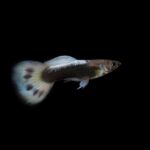
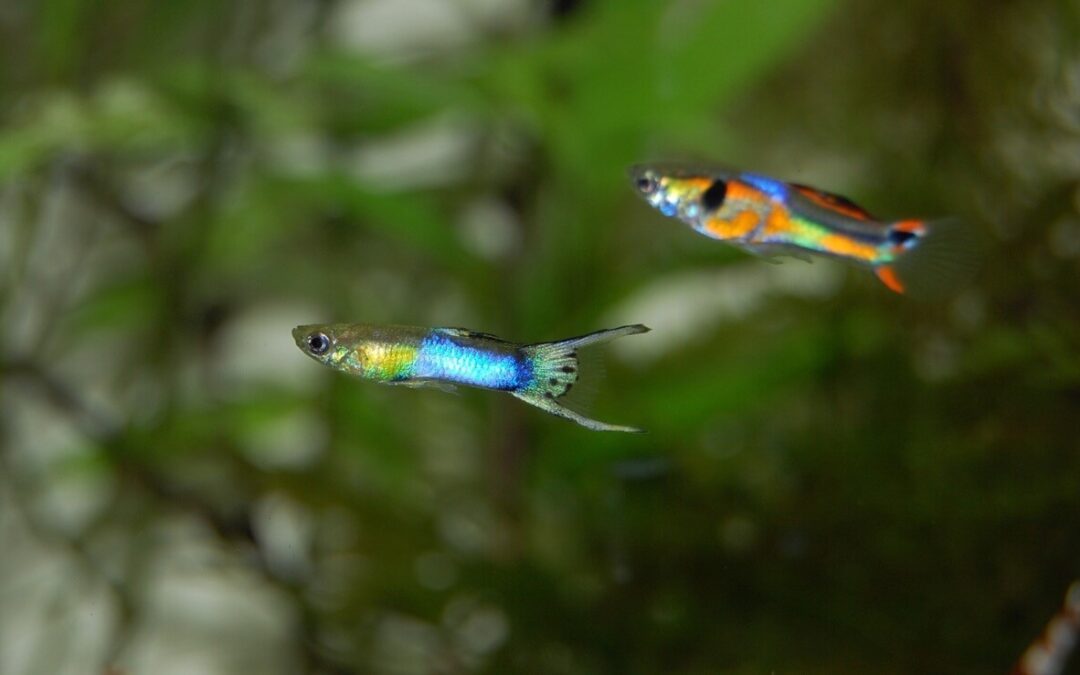
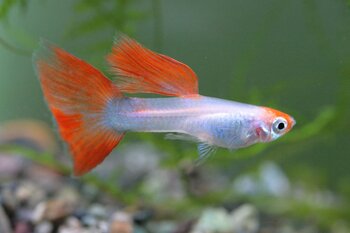
Male guppies are usually more colorful and smaller, while females tend to be larger with less vibrant colors. Over the years, selective breeding has produced countless guppy varieties featuring different tail shapes, colors, and patterns.
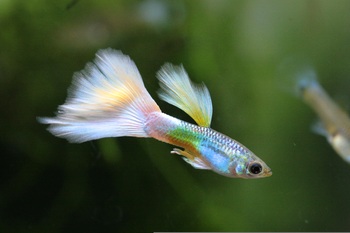
From neon blues and fiery reds to mosaic tails and metallic shades, guppies are often considered living artwork in an aquarium.
Are Guppies Freshwater or Saltwater Fish?
Guppies are primarily freshwater fish. In the wild, they inhabit freshwater streams, ponds, rivers, and slow-moving waterways. They are naturally adapted to tropical freshwater environments with warm temperatures and moderate mineral content.
However, guppies are also known for their incredible adaptability. Some populations can survive in brackish water conditions, which contain small amounts of salt. This ability has led to some confusion among beginners about whether guppies are saltwater fish.
The truth is that guppies do not require saltwater to live healthy lives. In fact, most aquarium guppies do best in clean, stable freshwater conditions.
Adding aquarium salt is sometimes used temporarily for treating illnesses or reducing stress, but salt should not be considered a permanent requirement for guppy care.
Where Do Guppies Live in the Wild?
Guppies are native to parts of South America and the Caribbean. They are commonly found in countries like Venezuela, Brazil, Guyana, Trinidad, and Barbados.
In their natural habitats, guppies often live in:
- Slow-moving streams
- Freshwater ponds
- Small rivers
- Marshes
- Shallow pools
These waters are typically warm and rich in vegetation, providing guppies with shelter and food sources.
One fascinating fact about guppies is their adaptability to changing environments. They can survive in areas with varying water conditions better than many other tropical fish. Because of this, guppies have even been introduced into other parts of the world to help control mosquito populations by eating mosquito larvae.
Ideal Water Conditions for Guppies
Although guppies are hardy fish, they still need proper water conditions to stay healthy and vibrant.
Temperature
Guppies thrive in warm tropical water temperatures between 72°F and 82°F (22°C to 28°C). Stable temperatures are important because sudden fluctuations can stress the fish and weaken their immune systems.
A heater is often recommended, especially if you live in a cooler climate.
Water Hardness
Unlike some delicate tropical fish, guppies actually prefer moderately hard water. Minerals like calcium and magnesium help support their health and overall well-being.
pH Level
Guppies generally do best in slightly alkaline water with a pH between 7.0 and 8.0.
Clean Water
Even though guppies are hardy, dirty water can still lead to diseases and stress. Regular water changes and proper filtration are essential for maintaining a healthy aquarium.
Why Guppies Are Great for Beginners
There’s a reason guppies are often recommended as starter fish. They’re relatively easy to care for and can adapt to a wide range of aquarium conditions.
Here are some reasons why beginners love guppies:
They’re Hardy
Guppies can tolerate small mistakes better than many sensitive fish species. This makes them less intimidating for first-time fish keepers.
They’re Beautiful
Their vibrant colors and elegant fins instantly brighten up an aquarium.
They’re Active
Guppies are constantly swimming and exploring, making them entertaining to watch.
They Breed Easily
Guppies reproduce very quickly. In fact, a single female can give birth to dozens of fry every month under the right conditions.
This rapid breeding is exactly why they earned the nickname “millionfish.”
Can Guppies Live With Other Fish?
Yes, guppies are generally peaceful community fish. They can live with many other non-aggressive freshwater species.
Good tank mates for guppies include:
- Mollies
- Platies
- Corydoras catfish
- Neon tetras
- Harlequin rasboras
- Kuhli loaches
However, avoid keeping guppies with aggressive fish that may nip their fins, such as tiger barbs or large cichlids.
Because male guppies have long, colorful tails, they can become easy targets for fin-nipping species.
Do Guppies Need Salt in Their Water?
This is one of the most common myths surrounding guppy care.
While guppies can tolerate brackish water, they do not require salt in their aquarium to thrive. Healthy freshwater conditions are usually all they need.
Some fish keepers use small amounts of aquarium salt temporarily to:
- Help reduce stress
- Treat mild illnesses
- Prevent certain parasites
But long-term salt use can harm sensitive plants and tank mates. It’s best to use salt only when necessary and with proper research.
What Do Guppies Eat?
Guppies are omnivores, meaning they eat both plant and animal matter.
In captivity, they enjoy a varied diet that may include:
- High-quality flake food
- Micro pellets
- Brine shrimp
- Daphnia
- Bloodworms
- Algae-based foods
A balanced diet helps maintain their vibrant coloration and overall health.
Feeding small portions once or twice daily is usually enough. Overfeeding can quickly pollute the aquarium water.
How Long Do Guppies Live?
On average, guppies live between 1.5 to 3 years. With excellent care, some may live even longer.
Factors that influence lifespan include:
- Water quality
- Diet
- Genetics
- Stress levels
- Tank conditions
Keeping the aquarium clean and maintaining stable water parameters can significantly improve a guppy’s quality of life.
Understanding Guppy Behavior
One of the reasons people become attached to guppies so quickly is their lively and social behavior. Unlike some fish that spend most of their time hiding, guppies are active swimmers that constantly explore every corner of the tank. Watching them glide through plants, chase each other playfully, and gather near the glass during feeding time can be surprisingly relaxing.
Male guppies are especially energetic. They often display their fins and colors to impress females or establish a small social hierarchy within the group. While this behavior is usually harmless, having too many males in one tank can sometimes lead to stress from constant competition.
A good rule for mixed tanks is to keep one male with two or three females. This helps spread out the males’ attention and reduces stress for the females.
Guppies are also schooling fish to some extent. They feel safer and more comfortable when kept in groups rather than alone. A small group of at least five or six guppies usually creates a more natural and active aquarium environment.
The Different Types of Guppies
Over the years, guppies have been selectively bred into countless varieties. This is one reason the species remains so popular among aquarium hobbyists. There’s almost always a new color combination or tail pattern to discover.
Some common guppy varieties include:
- Cobra guppies
- Mosaic guppies
- Tuxedo guppies
- Delta tail guppies
- Fancy guppies
- Albino guppies
- Koi guppies
- Endler guppies
Each variety has its own unique appearance. Some feature bright metallic blues and greens, while others have spotted tails or vivid red-orange patterns.
Many experienced aquarists enjoy breeding guppies to create unique color strains. Because guppies reproduce so quickly, hobbyists can experiment with genetics and observe how different traits appear in future generations.
Breeding Guppies: What Makes Them So Unique?
Guppies are livebearers, which means they give birth to free-swimming baby fish instead of laying eggs. This makes them different from many other freshwater aquarium species.
Female guppies can give birth approximately every 21 to 30 days under ideal conditions. A single birth may produce anywhere from 10 to over 50 fry, depending on the female’s age and health.
One especially fascinating fact is that female guppies can store sperm for several months. This means a female may continue giving birth multiple times even without a male present in the aquarium.
Baby guppies, called fry, are surprisingly independent right after birth. They can swim immediately and begin searching for food on their own. However, adult guppies sometimes eat their fry, so breeders often provide dense plants or breeding boxes for protection.
Fast-growing plants like Java moss are commonly used because they create safe hiding spaces for baby fish.
Common Guppy Health Problems
Even though guppies are hardy fish, they can still experience health issues if water quality is poor or stress levels become too high.
Some common guppy illnesses include:
Fin Rot
Fin rot causes the fins to appear ragged or damaged. It’s often linked to dirty water or bacterial infections.
Ich
Ich appears as tiny white spots on the fish’s body and fins. It is one of the most common aquarium diseases and usually requires prompt treatment.
Swim Bladder Issues
Overfeeding or constipation may cause swimming difficulties, making the fish float awkwardly or struggle to stay balanced.
Fungal Infections
Fungal infections often appear as cotton-like patches on the body.
The best prevention for most guppy diseases is maintaining clean water, avoiding overcrowding, and feeding a balanced diet.
Healthy guppies are usually active, brightly colored, and eager to eat.
Creating the Perfect Guppy Aquarium
A well-designed aquarium can help guppies feel secure and display their best colors.
Guppies enjoy tanks with:
- Live or artificial plants
- Open swimming space
- Gentle filtration
- Stable lighting
- Hiding areas
Live plants are especially beneficial because they help improve water quality while creating a more natural environment.
Popular beginner-friendly plants for guppy tanks include:
- Anubias
- Java fern
- Amazon sword
- Hornwort
- Java moss
Although guppies are small fish, they still need enough room to swim comfortably. A 10-gallon tank is often considered the minimum size for a small group.
Larger tanks are actually easier to maintain because water conditions remain more stable.
Why Guppies Remain One of the World’s Most Popular Aquarium Fish
Few freshwater fish have achieved the same level of popularity as guppies. Their combination of beauty, affordability, adaptability, and personality makes them appealing to nearly every type of fish keeper.
For beginners, guppies provide a fun introduction to the aquarium hobby without being overly difficult to care for. For experienced hobbyists, selective breeding and color variations create endless opportunities for learning and creativity.
Their peaceful nature also makes them ideal for community aquariums filled with other small tropical fish.
Perhaps the most impressive thing about guppies is how such tiny fish can bring so much life and movement into a tank. Whether you keep a few colorful males or raise generations of fry, guppies have a way of turning even a simple aquarium into a lively underwater world.
Fun Facts About Guppies
Here are some interesting guppy facts many people don’t know:
- Guppies can recognize their owners and may swim to the front of the tank during feeding time.
- Female guppies can store sperm for months and give birth multiple times after only one mating.
- Wild guppies are usually less colorful than selectively bred aquarium guppies.
- Guppies are used in scientific research because of their rapid reproduction and adaptability.
- Their nickname “millionfish” comes from how quickly their population grows.
FAQs About Guppies
Are guppies freshwater fish?
Yes, guppies are freshwater fish native to South America and the Caribbean. They naturally live in rivers, ponds, streams, and lakes.
Can guppies survive in saltwater?
Guppies can tolerate slightly brackish water, but they are not true saltwater fish and should not be kept in full marine aquariums.
What temperature do guppies need?
Guppies prefer warm water between 72°F and 82°F (22°C to 28°C).
Are guppies easy to care for?
Yes, guppies are considered one of the best beginner fish because they are hardy, adaptable, and relatively low maintenance.
Why are guppies called millionfish?
They earned the nickname “millionfish” because of their rapid breeding rates and ability to reproduce quickly.
Do guppies need a heater?
In most indoor aquariums, a heater is recommended to maintain stable tropical temperatures.
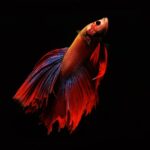
Can guppies live with bettas?
Sometimes, but it depends on the betta’s temperament. Some bettas may attack guppies because of their colorful fins.
How often should guppies be fed?
Feed guppies small amounts once or twice daily, ensuring they can finish the food within a couple of minutes.
Final Thoughts
So, are guppies freshwater fish? Absolutely. These colorful little fish are true freshwater tropical species that naturally thrive in warm rivers, streams, ponds, and lakes. Although they can tolerate brackish conditions better than many aquarium fish, they do best in stable freshwater environments.
Their hardiness, beauty, and lively behavior make them an excellent choice for beginners and seasoned fish keepers alike. Whether you’re starting your first aquarium or adding more life to an established tank, guppies are a fun and rewarding species to keep.
With proper care, clean water, and a balanced diet, these tiny “millionfish” can bring endless color and activity to your aquarium for years to come.