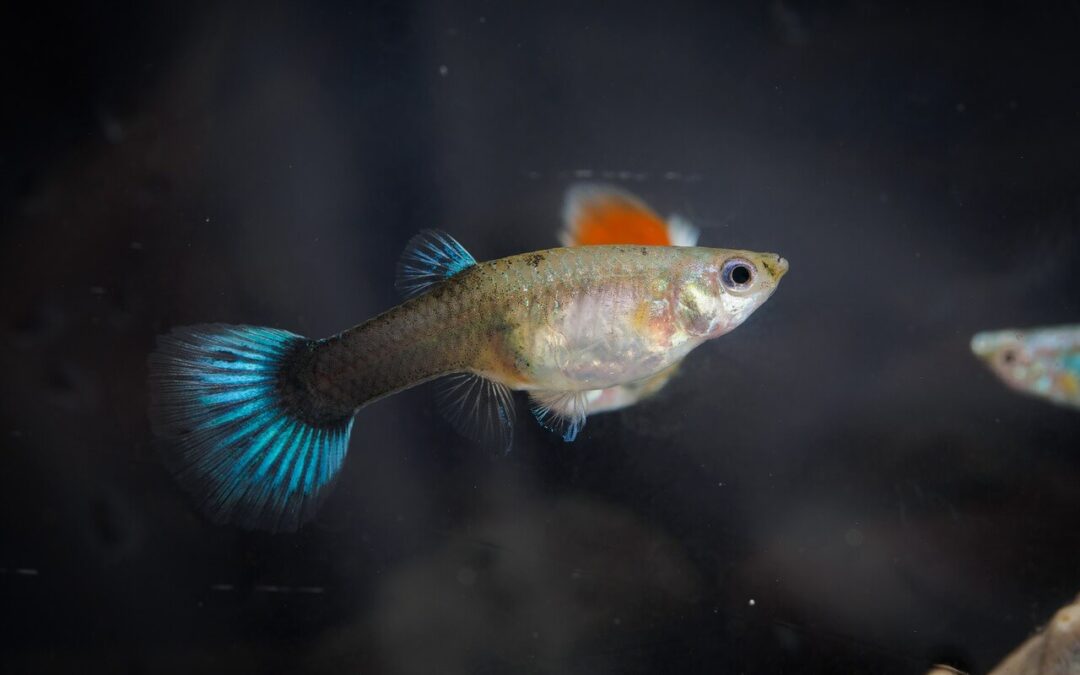
Guppy fish are some of the most loved aquarium fish in the world. With their dazzling colors, flowing tails, and playful personalities, it’s easy to see why they’re a favorite for both beginners and experienced fish keepers. But have you ever wondered where guppy fish actually come from?
Knowing their origins helps you understand their behavior, care needs, and ideal tank conditions. Plus, it gives you a deeper appreciation for these tiny but fascinating fish.
In this guide, we’ll explore the natural home of guppies, how they spread across the world, and why they’ve become one of the most widespread fish species on the planet.
The Natural Home of Guppy Fish
Guppy fish (Poecilia reticulata) are native to northeastern South America and parts of the Caribbean. In the wild, they live in warm freshwater and slightly salty (brackish) waters, where food is plentiful and temperatures stay consistently warm.
Native Regions of Guppies
Guppies naturally come from countries and islands such as:
- Venezuela
- Guyana
- Brazil
- Suriname
- French Guiana
- Trinidad and Tobago
- Barbados
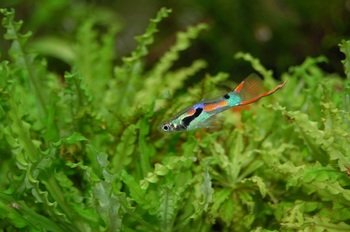
They are commonly found in streams, rivers, shallow pools, ponds, and small lakes, often swimming near plants and roots that offer shelter from predators.
These tropical environments provide the perfect conditions for guppies to grow, reproduce, and thrive.
What Is the Natural Habitat of Guppy Fish?
In the wild, guppies live in warm, calm waters rich in plant life and organic material. They are surprisingly tough fish and can survive in many different environments.
You can find wild guppies in:
- Slow-moving rivers and creeks
- Small lakes and ponds
- Marshes and shallow pools
- Brackish water near river mouths
- Even slightly polluted waterways
Ideal Natural Conditions
- Water temperature: 22–28°C (72–82°F)
- Water flow: Slow to moderate
- Environment: Dense plants, rocks, and hiding spots
- Food sources: Insects, algae, and organic debris
One of the reasons guppies are so successful is their ability to adapt to changing conditions, including slight salinity and less-than-perfect water quality.
How Did Guppies Spread Around the World?
Although guppies originally came from South America and the Caribbean, they are now found almost everywhere. Their worldwide spread mainly happened because of human involvement.
1. The Aquarium Trade
Guppies became popular aquarium fish in the late 19th century. Their bright colors, easy care, and fast breeding made them highly desirable pets. As a result, they were shipped to countries across Asia, Europe, and North America.
Sometimes, guppies escaped from outdoor ponds, or people released unwanted pets into local water systems. Over time, these small releases led to stable wild populations.
2. Mosquito Control Programs
Another major reason for their spread was mosquito control. Guppies love eating mosquito larvae, making them useful in fighting diseases like malaria and dengue fever.
Because of this, guppies were deliberately released into ponds, lakes, and canals in many tropical countries, including parts of:
- Southeast Asia
- India
- Africa
- Pacific islands
- Central America
While this helped reduce mosquitoes, it sometimes caused unexpected environmental problems, as guppies competed with native fish species.
Where Can Guppies Be Found Today?
Thanks to their adaptability, guppies now live in:
- Southeast Asia
- India and Sri Lanka
- Africa
- Australia
- Southern United States
- Central America
- Many tropical islands
Anywhere there’s warm water, guppies tend to thrive.
Why Are Guppies So Adaptable?
Guppies are natural survivors. Several traits help them live in a wide range of environments.
1. Flexible Temperature Range
They can survive in temperatures from about 18–32°C (64–90°F), though warmer water keeps them healthiest.
2. Easy Feeding Habits
Guppies eat almost anything: algae, insects, plant matter, and prepared fish food.
3. Fast Reproduction
Female guppies give birth to live babies every 3–4 weeks, often producing dozens of fry at a time. This allows populations to grow rapidly.
4. High Tolerance for Water Changes
They handle water quality fluctuations better than many other fish species.
Why Scientists Love Studying Guppies
Guppies are one of the most researched fish in the world. Scientists study them to understand:
- Evolution
- Natural selection
- Predator-prey relationships
- Genetics and adaptation
In predator-heavy environments, male guppies evolve duller colors for camouflage. In safer areas, males become brighter and flashier to attract females. This makes guppies perfect examples of how animals adapt to their surroundings.
The Role of Guppies in Nature
Benefits:
- Eat mosquito larvae
- Help control algae
- Serve as food for larger fish and birds
Possible Problems:
- Compete with native species
- Disrupt natural ecosystems
- Reduce biodiversity
Because of these risks, releasing guppies into natural waterways is strongly discouraged.
What This Means for Aquarium Keepers
Understanding where guppies come from helps you create a comfortable, healthy tank environment.
Best Tank Conditions for Guppies:
- Temperature: 24–28°C (75–82°F)
- pH:8–7.8
- Water movement: Gentle filtration
- Decor: Live plants, rocks, driftwood, and hiding spots
- Lighting: Moderate
When you match their natural habitat, guppies show brighter colors, better health, and more active behavior.
FAQs About Where Guppy Fish Come From
1. Where do guppy fish originally come from?
Guppies are native to northeastern South America and parts of the Caribbean, including Venezuela, Guyana, Brazil, Trinidad and Tobago, and Barbados.
2. Are guppies naturally found in Asia?
No. Guppies were introduced to Asia mainly for mosquito control and the aquarium trade.
3. Why were guppies spread around the world?
They were introduced for mosquito control and because they became extremely popular as aquarium pets.
4. Can guppies live in saltwater?
Guppies are freshwater fish but can tolerate slightly salty brackish water. They cannot live in full marine conditions.
5. Are wild guppies colorful?
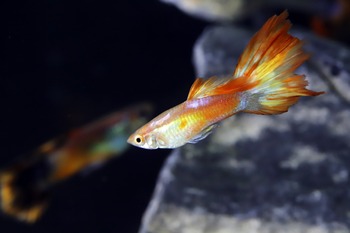
Wild guppies usually have muted colors, while aquarium guppies are bred for brighter patterns and longer tails.
6. Are guppies considered invasive?
In some areas, yes. Guppies can become invasive and harm native fish populations.
7. Do guppies live in the Amazon River?
Yes, they are found in streams and tributaries of the Amazon Basin.
8. Why do guppies breed so quickly?
Rapid reproduction helps them survive predators and environmental changes, ensuring their populations remain strong.
Final Thoughts
So, where do guppy fish come from? These colorful little swimmers originate from the warm waters of South America and the Caribbean. Over time, humans helped spread them across the globe through aquarium keeping and mosquito control efforts.
Today, guppies are everywhere — from home aquariums to natural waterways — admired for their beauty, resilience, and lively nature. By understanding their origins, you can give them better care and enjoy healthier, happier fish in your tank.