
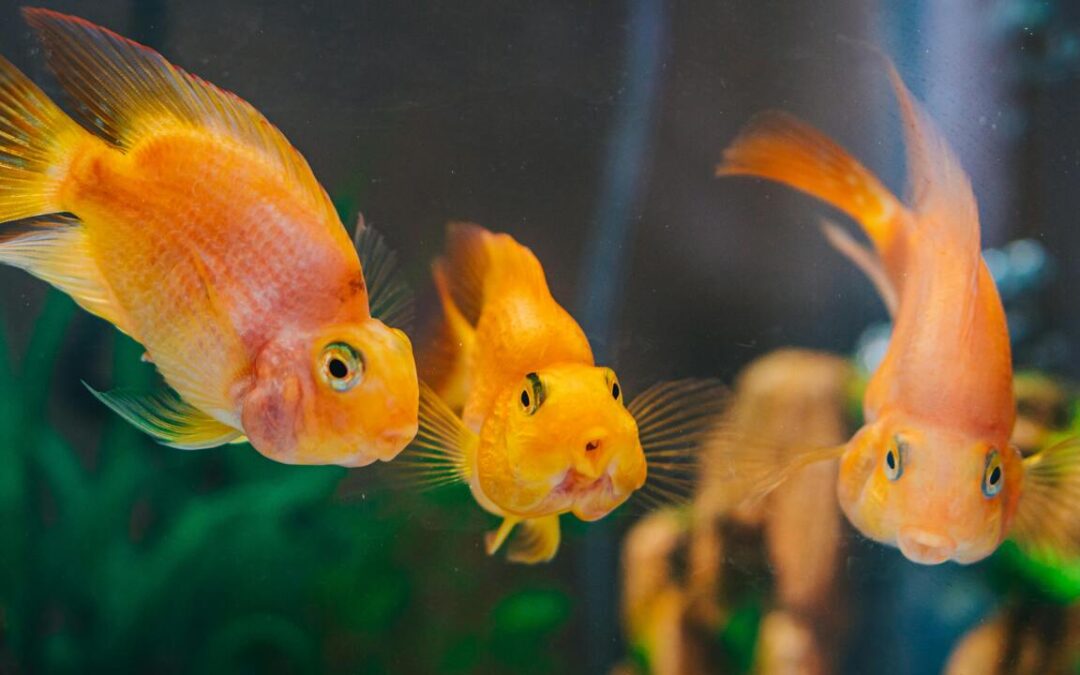
Did you know that your little goldfish has a family history that goes back more than a thousand years? It’s true—and it’s a lot more fascinating than most people realize.
When you think of a goldfish, you probably picture that bright orange flash swimming in circles, either drifting calmly in a bowl or zipping around an aquarium. For a lot of us, they were our very first pets (or at least the ones we begged our parents to let us bring home). They’re so familiar and ordinary now that it’s easy to forget there’s a much bigger story hiding behind those shiny scales.
Goldfish aren’t just “starter pets.” Their story stretches all the way back to ancient China, shaped by a mix of luck, culture, and human curiosity.
It all began when people noticed something unusual in their carp ponds. Every now and then, among the plain gray fish, one would show up with a streak of orange, red, or gold. Instead of cooking them like the rest, people set these rare beauties aside, cared for them, and eventually bred them. Over time, they became symbols of prosperity and good fortune.
From royal palaces and temple ponds in China to elegant gardens in Japan, then across Europe and into American homes, goldfish swam their way through history—turning from humble carp into one of the world’s most beloved pets.
Goldfish Origins: A Quick Journey Through Time
- Jin Dynasty (265–420 AD):
This is where it all begins. In China, people noticed that some of their ordinary gray crucian carp had flashes of red or orange. Instead of being eaten, these unusual fish were admired for their beauty. - Tang Dynasty (618–907 AD):
Selective breeding really kicked off here. People started raising the brightest, most colorful fish in ornamental ponds and gardens, turning them into living decorations. - Song Dynasty (960–1279 AD):
Goldfish became more than just pretty pets—they were symbols of wealth and good fortune. Golden-yellow ones were considered so special that only the emperor’s family was allowed to keep them. - Ming Dynasty (1368–1644 AD):
This era saw even more variety. Breeders created new body shapes and colors, and keeping goldfish indoors in elegant porcelain bowls became a popular trend. - 16th–17th Century (Japan):
Goldfish made their way to Japan, where breeders developed new varieties like the ryukin and tosakin. They quickly became part of Japanese culture, often featured in summer festivals. - 17th Century (Europe):
Europeans were introduced to goldfish and treated them as rare treasures. They were given as gifts among the wealthy and admired as symbols of luck and prosperity. - Mid-19th Century (North America):
By around 1850, goldfish had reached the United States. From there, they spread quickly, becoming affordable, hardy pets that families everywhere could enjoy.
The Beginning: Goldfish in Ancient China
The goldfish story starts with the crucian carp—a plain, grayish fish found in rivers and lakes across East Asia. During the Jin Dynasty, people began noticing something unusual: a few carp had golden or reddish scales.
Instead of frying them up for dinner, people saved them. These “lucky” fish were seen as too beautiful to eat. And just like that, a whole new relationship between humans and fish began. This was the very first step toward the goldfish we know today.
Selective Breeding: Turning Carp Into Goldfish
From Carp to Goldfish: The Earliest Days
So, where exactly did these little guys come from? Their roots trace back to ancient China, where people noticed something unusual: plain old gray carp sometimes showed up with flashes of red, orange, or gold. Instead of ending up on the dinner table, these rare beauties were cherished, carefully bred, and shared as symbols of luck and prosperity.
This was one of the earliest examples of selective breeding—not for food, but for beauty. Pretty amazing, right?
Goldfish as Symbols of Luck and Prosperity
By the Tang Dynasty (618–907 AD), goldfish were gracing ornamental ponds in gardens and monasteries. Their golden scales weren’t just pretty to look at—they carried meaning. The Chinese word for “fish” (yu) sounds just like the word for “abundance,” which made goldfish living good-luck charms.
During the Song Dynasty (960–1279 AD), goldfish became full-blown status symbols. In fact, pure yellow ones were so prized that only the emperor’s family was allowed to own them. Ordinary folks had to stick to red or orange.
Goldfish Get Fancy: New Varieties Emerge
Over time, breeders started noticing and encouraging even more unique features—rounder bodies, longer tails, and new color patterns. By the Ming Dynasty (1368–1644 AD), goldfish had made their way indoors, swimming around in delicate porcelain bowls. This shift brought them closer to people’s daily lives and gave rise to even more unusual and fancy breeds.
That’s the beginning of the goldfish varieties we recognize today—like sleek comets, chubby fantails, and the adorable bubble-eye types.
Goldfish Travel the World
As trade expanded, goldfish left China and made a splash in new countries:
- Japan (16th–17th century): The Japanese fully embraced goldfish, breeding beautiful strains like ryukin and tosakin. They became a staple in ornamental ponds and even summer festivals.
- Europe (17th century): Europeans adored goldfish as exotic pets. Owning one was a sign of wealth and good luck, with many kept in fancy ponds and fountains.
- North America (mid-1800s): Goldfish reached the U.S. and quickly became one of the most popular household pets. Hardy, colorful, and easy to care for, they spread everywhere.
Why Goldfish Were So Special
Goldfish weren’t just admired for their beauty—they carried deep cultural meaning.
- In China, they symbolized wealth and abundance. The Chinese word for “fish” (yu) even sounds like “abundance.”
- In Japan, goldfish became part of summer traditions, often given away as festival prizes.
- In Europe, they were rare curiosities, treasured by the wealthy as signs of luck and luxury.
This blend of beauty and symbolism explains why goldfish captured so many hearts across different cultures.
The Many Faces of Goldfish
Thanks to centuries of breeding, today’s goldfish come in hundreds of shapes, colors, and fin styles. Some of the most popular include:
- Comet Goldfish – Sleek and speedy with long, flowing tails.
- Fantail Goldfish – Round bodies and split tail fins make them adorable.
- Oranda – Recognizable by the bumpy “wen” growth on their heads.
- Black Moor – Deep black with dramatic, bulging eyes.
- Ranchu – Called the “king of goldfish,” known for their rounded backs and lack of a dorsal fin.
It’s pretty amazing to think all of this variety started from plain gray carp.
Goldfish Today
Fast forward to now, and goldfish are still one of the most beloved pets in the world. They’re hardy, adaptable, and endlessly fascinating. Some look nothing like their carp ancestors, with bubble eyes, flowing fins, or even unique head growths.
Beyond being pets, goldfish have also made their mark in other areas:
- Aquarium Hobby: For many people, goldfish are the “gateway pet” into the world of fishkeeping.
- Science: Goldfish have been used in research on behavior, memory, and biology.
- Pop Culture: From cartoons to literature, goldfish often pop up as symbols of simplicity or innocence.
Sadly, misconceptions persist. Many people believe goldfish only live a few years, but with proper care, they can thrive for 10–20 years—and some have lived over 40! Another myth? That bowls are fine. In reality, bowls stunt growth and shorten their lives. Goldfish need space, clean water, and good care to be happy.
Goldfish in the Wild
Here’s a twist you might not expect: when goldfish are released into the wild, they don’t stay small and cute. In lakes and rivers, they can grow over a foot long! Unfortunately, this creates problems for local ecosystems, as these “feral” goldfish compete with native species.
It’s a reminder that while goldfish have a beautiful history, they need to be cared for responsibly.
Fun Facts About Goldfish Origins
- Goldfish are one of the oldest domesticated fish species in the world.
- In ancient China, goldfish were often kept in pairs to symbolize harmony and fertility.
- In Europe, goldfish were sometimes given as wedding gifts for luck and prosperity.
- That old myth about goldfish having a three-second memory? Totally false! They can remember routines and even recognize their owners.
- The largest goldfish ever recorded measured over 18 inches long—a far cry from the tiny bowl fish we often imagine.
From Ancient Carp to Beloved Pets
The journey of the goldfish is nothing short of remarkable. What began as a random color mutation in ancient carp has, over centuries of care and creativity, transformed into one of the most beloved pets on the planet.
So next time you spot a goldfish in a tank, pond, or even a little bowl, remember—you’re not just looking at a cute orange fish. You’re looking at a living piece of history, shaped by over 1,500 years of human curiosity and culture.
FAQs About Goldfish Origins
1. Where did goldfish originally come from?
Goldfish originated in ancient China, bred from crucian carp during the Jin Dynasty (265–420 AD).
2. What fish are goldfish descended from?
They come from the crucian carp, a common freshwater fish in East Asia.
3. When did selective breeding of goldfish start?
Selective breeding began in the Tang Dynasty (618–907 AD) and expanded during the Song Dynasty.
4. Why were goldfish important in Chinese culture?
They symbolized wealth, abundance, and harmony. Golden varieties were reserved for the imperial family.
5. How did goldfish spread around the world?
They reached Japan in the 16th century, Europe in the 17th century, and North America around 1850.
6. Why are they called “goldfish”?
The name comes from their golden and red coloring, bred from plain gray carp.
7. How long have people kept goldfish as pets?
For over 1,000 years—making them one of the oldest domesticated fish.
8. Do wild goldfish exist?
Not exactly. Wild goldfish don’t exist, but their ancestors—the crucian carp—still swim in East Asian rivers and lakes.
9. When did goldfish arrive in America?
They were introduced around 1850 and quickly became popular pets.
10. What makes goldfish unique compared to other fish?
Their long history of breeding, cultural symbolism, and incredible variety of colors and shapes set them apart.
Final Thoughts
Goldfish might look like ordinary little pets, but their backstory is anything but ordinary. They’ve gone from ancient ponds in China to royal gardens in Japan, from fancy European parlors to the aquariums sitting in our living rooms today. Their journey is woven into human history in ways most people never realize.
So the next time you watch a goldfish gliding around a tank, think of it this way—you’re not just looking at a pet. You’re looking at a tiny piece of history that’s been shaped and cherished by people for thousands of years.