If you’ve ever walked into a pet store and stopped in front of a glowing aquarium filled with tiny, shimmering fish in blues, reds, and silvers, chances are you were looking at tetras.
So, what is a tetra fish exactly?
In simple terms, a tetra is a small, freshwater fish that belongs to the family Characidae. They’re native primarily to tropical regions of South America and Africa and are some of the most popular fish in the aquarium hobby. Known for their bright colors, peaceful temperament, and schooling behavior, tetras are often recommended for beginners—but they’re just as loved by experienced aquarists.
Let’s dive deeper into what makes tetra fish so special.
What Is a Tetra Fish?
Tetras are freshwater fish most commonly found in rivers, streams, and flooded forests throughout South America. Species like the iconic Neon Tetra and Cardinal Tetra come from the Amazon Basin, where the water is warm, soft, and slightly acidic.
According to experts, tetra fish are small, colorful freshwater fish that are popular in home aquariums due to their peaceful nature and vibrant appearance. Many species grow only 1 to 2 inches long, making them perfect for community tanks.
One unique feature of tetras is the small, fleshy fin located between their dorsal fin and tail called the adipose fin. Not all fish have this, and it’s one of the traits that helps identify many tetra species.
Why Are Tetra Fish So Popular?
There are several reasons tetras are such a staple in the aquarium world:
1. Bright, Eye-Catching Colors
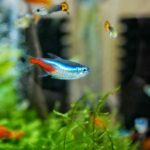
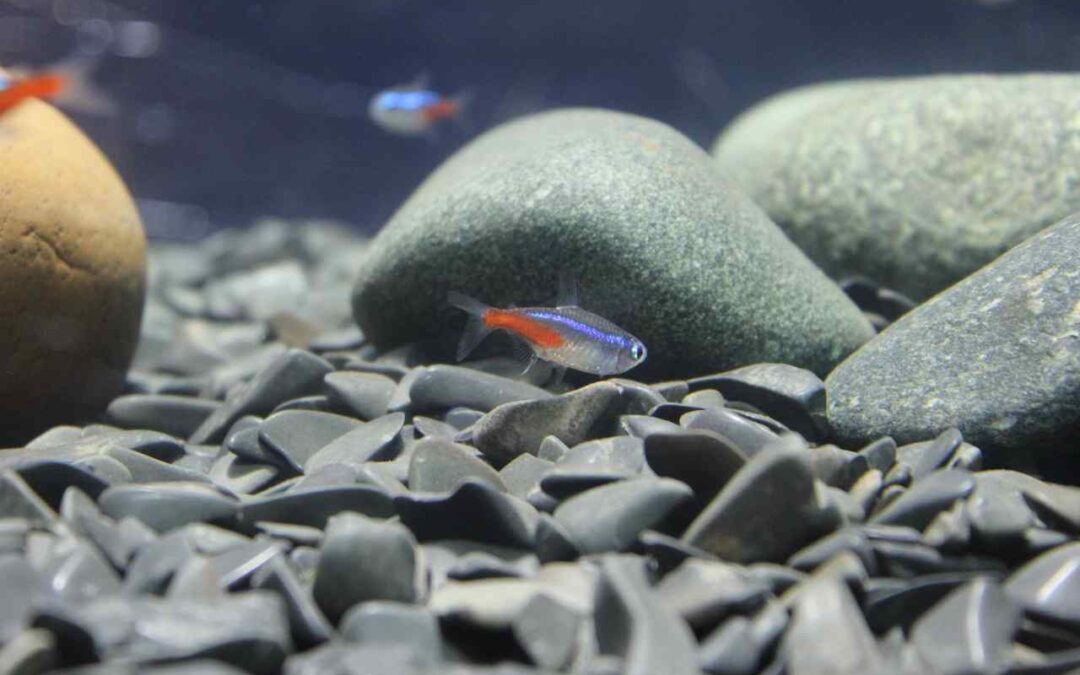
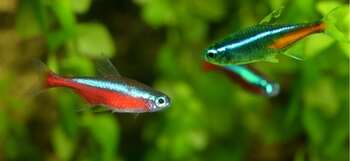
Tetras are famous for their iridescent bodies. The Neon Tetra glows with a bright blue stripe and red underside, while the Glowlight Tetra features a luminous orange stripe running down its body.
Their colors become even more intense when they’re healthy and kept in proper conditions.
2. Peaceful Nature
Most tetra species are non-aggressive and get along well with other community fish. This makes them ideal tank mates for guppies, mollies, corydoras catfish, and even dwarf cichlids.
3. Schooling Behavior
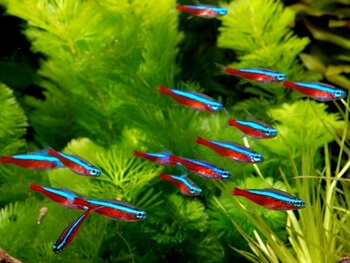
Tetras are schooling fish, meaning they feel safest in groups. In the wild, they swim together in large numbers to protect themselves from predators. In home aquariums, you should keep at least six of the same species—though 8–12 is even better.
When kept in proper schools, their synchronized swimming is mesmerizing to watch.
4. Beginner-Friendly
Many tetra species are hardy and adaptable. As long as water conditions are stable, they thrive with minimal issues.
Types of Tetra Fish
There are dozens of tetra species available in the aquarium trade. Here are some of the most popular:
Neon Tetra
Small, bright, and iconic. They grow to about 1.5 inches and prefer soft, slightly acidic water.
Cardinal Tetra
Similar in appearance to Neon Tetras but with more red coloration extending across the body.
Black Skirt Tetra
The Black Skirt Tetra is slightly larger and features flowing black fins. They’re active and sometimes mildly nippy if kept in small groups.
Ember Tetra
Tiny and orange-red, Ember Tetras are perfect for nano tanks.
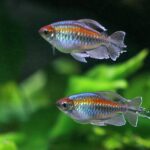
Congo Tetra
One of the larger species, the Congo Tetra comes from Africa and is known for its shimmering rainbow colors and flowing fins.
Each species has slightly different care needs, but most share similar environmental preferences.
Natural Habitat of Tetra Fish
In the wild, tetras inhabit slow-moving rivers, streams, and flooded forest areas. Many live in “blackwater” environments, where decaying plant matter releases tannins into the water, giving it a tea-colored appearance.
These waters are usually:
- Warm (72–82°F)
- Soft
- Slightly acidic (pH 6.0–7.0)
- Dimly lit due to tree cover
Replicating these conditions in an aquarium helps bring out their best colors and natural behaviors.
How to Care for Tetra Fish
If you’re considering keeping tetras, here are the basics:
Tank Size
While small species can live in a 10-gallon tank, a 20-gallon tank is better for larger schools. Bigger tanks provide more stable water parameters.
Water Parameters
- Temperature: 72–82°F
- pH: 6.0–7.5 (depending on species)
- Soft to moderately hard water
Consistency is key. Sudden changes in water conditions can stress them.
Filtration
A gentle filter works best. Strong currents can stress small tetras.
Plants and Decor
Live plants are highly recommended. They provide hiding spots and mimic their natural habitat. Floating plants also help diffuse light.
Diet
Tetras are omnivores. Feed them high-quality flakes or micro pellets, along with occasional treats like:
- Brine shrimp
- Bloodworms
- Daphnia
A varied diet keeps their colors vibrant.
Are Tetra Fish Good for Beginners?
Absolutely. Many aquarium experts recommend tetras as starter fish because:
- They’re affordable
- They adapt well to community tanks
- They’re relatively hardy
- They don’t grow too large
However, beginners should avoid overstocking and always cycle their tank before adding fish. Even hardy species can suffer in poor water conditions.
Common Problems with Tetra Fish
Like all aquarium fish, tetras can experience health issues.
Neon Tetra Disease
This condition affects species like the Neon Tetra and causes fading color and difficulty swimming. Unfortunately, it’s not treatable, so prevention through quarantine is important.
Fin Nipping
Some species, like Black Skirt Tetras, may nip fins if kept in too-small groups.
Stress and Faded Color
Poor water quality or too much light can cause tetras to lose their vibrant coloration.
Regular water changes and stable conditions prevent most problems.
How Long Do Tetra Fish Live?
Most small tetra species live between 3 to 5 years with proper care. Larger species like Congo Tetras can live up to 7 years.
Lifespan depends heavily on:
- Water quality
- Diet
- Stress levels
- Tank size
Healthy, well-cared-for tetras often live longer than expected.
Fun Facts About Tetra Fish
- The Neon Tetra was discovered in the 1930s and quickly became one of the most popular aquarium fish worldwide.
- Some tetras can slightly change color depending on mood or stress.
- There are over 150 recognized species in the Characidae family.
- Many wild tetras live in waters stained brown by tannins but still appear brilliantly colorful.
FAQs About Tetra Fish
1. What is a tetra fish?
A tetra fish is a small freshwater fish from the Characidae family, known for bright colors, schooling behavior, and peaceful temperament.
2. How big do tetra fish get?
Most species grow between 1 and 2 inches long, though some like Congo Tetras can reach 3 inches.
3. How many tetras should be kept together?
At least six of the same species, but 8–12 is ideal for natural schooling behavior.
4. Are tetra fish aggressive?
Most are peaceful, though some species may nip fins if kept in too-small groups.
5. Do tetra fish need a heater?
Yes. Since they are tropical fish, they require warm water between 72–82°F.
6. Can tetra fish live with bettas?
It depends on the betta’s temperament and the tetra species. Some combinations work, but monitoring is essential.
7. How often should I feed tetra fish?
Feed small portions once or twice daily, only what they can eat in 2–3 minutes.
8. Are tetra fish easy to breed?
Some species can be bred in captivity, but they often require specific water conditions and a separate breeding tank.
Final Thoughts
So, what is a tetra fish?
It’s a small, vibrant, and social freshwater fish that brings life and motion to aquariums of all sizes. Whether you’re drawn to the glowing stripes of the Neon Tetra or the flowing elegance of the Congo Tetra, these fish are a joy to keep.
Their peaceful nature, manageable size, and dazzling colors make them a favorite for beginners and seasoned hobbyists alike. With proper care, stable water conditions, and a good-sized school, tetras can transform even a simple aquarium into a living work of art.