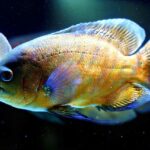
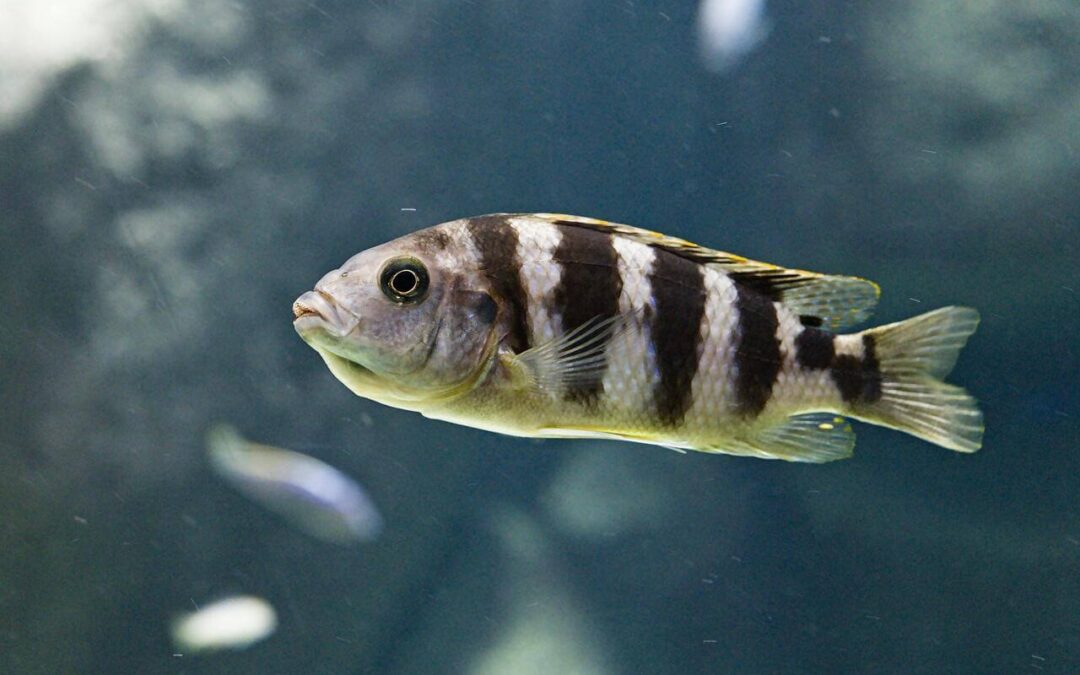
Cichlids are among the most fascinating and diverse groups of freshwater fish on the planet. Whether you’re a new aquarist or a long-time fish enthusiast, chances are you’ve already encountered some—angelfish, Oscars, discus, and African cichlids are all beloved staples of the aquarium world. But what exactly is a cichlid, and what makes this family so unique?
In this guide, we’ll explore what cichlids are, where they come from, their behavior and intelligence, the many types that exist, and what makes them such captivating fish for home aquariums.
What Is a Cichlid?
A cichlid is any fish belonging to the family Cichlidae, a large and highly diverse group of freshwater species found in Africa, South and Central America, and parts of Asia. According to experts, cichlids are known for their intelligence, vibrant colors, and strong parental care. They’re also famous for their wide variety of shapes, sizes, and temperaments—ranging from peaceful dwarf species to aggressive giants.
With at least 1,350 known species, and more continually being discovered, cichlids represent one of the most evolutionarily successful fish families on Earth. Their adaptability, specialized feeding habits, and unique jaw structures have enabled them to thrive in rivers, lakes, and even isolated crater lakes with limited ecological competition.
Where Cichlids Come From
Cichlids are widespread, but their highest diversity is concentrated in three major African Rift Valley lakes:
Lake Malawi
Home to hundreds of unique species—some extremely colorful, territorial, and specialized.
Lake Tanganyika
Known for ancient lineages, remarkable evolutionary traits, and some of the most unusual cichlid species.
Lake Victoria
Famous for its rapid speciation but also for the challenges cichlids face due to environmental changes.
Outside Africa, cichlids are also found throughout:
- Central America (e.g., Convicts, Firemouths, Jack Dempseys)
- South America (e.g., Oscars, Angelfish, Discus, Apistogramma species)
- Asia (few species, but still notable)
Their global distribution reflects millions of years of adaptation, making them one of the most ecologically diverse fish families.
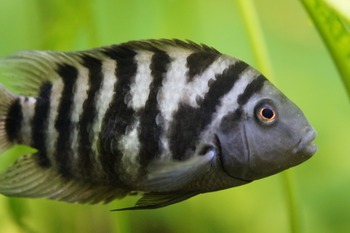
Key Characteristics of Cichlids
Cichlids aren’t just known for their beauty—several traits set them apart from most other freshwater fish.
1. Enormous Diversity
Experts highlight that there are at least 1,350 known species of cichlids, with many more waiting to be discovered. This includes everything from peaceful dwarf cichlids like Apistogramma to highly aggressive African species.
The variety in coloration, body shape, feeding behavior, and temperament across the family is unmatched.
2. Remarkable Parental Care
One of the defining features of cichlids is their exceptional parental care. Many species:
- Guard their eggs and fry
- Clean the breeding site
- Fan the eggs to oxygenate them
- Defend their offspring from predators
Some species are even mouthbrooders, carrying their eggs and babies inside their mouths for protection.
This level of care is rare among fish and is a major reason cichlids are considered more “interactive” and “personable.”
3. High Intelligence
Cichlids are often noted for their intelligence and problem-solving abilities. Many aquarists report that their cichlids:
- Recognize their owners
- Interact with their environment
- Display unique personalities
- Learn feeding routines quickly
Compared to other aquarium fish, cichlids are much more responsive and curious.
4. Specialized Feeders
Cichlids have a unique jaw structure that allows them to be incredibly efficient and specialized feeders. Some species have evolved to:
- Eat algae
- Flip over rocks in search of insects
- Prey on smaller fish
- Sift sand for microorganisms
This adaptability has helped them diversify rapidly in areas like the African Rift Valley.
5. Stunning Appearance
Cichlids come in vibrant colors such as electric blue, intense yellow, fire-orange, and neon greens. Popular species like angelfish, discus, and African cichlids are known for their:
- Bright patterns
- Unique body shapes
- Long fins
- Iridescent scales
Their beauty is one of the biggest reasons they dominate the aquarium trade.
Popular Types of Cichlids for Aquariums
Because the cichlid family is so massive, aquarists tend to focus on a handful of well-known species. Here are some of the most popular:
1. Angelfish
These elegant fish are instantly recognizable thanks to their triangular bodies and flowing fins. They’re peaceful compared to many other cichlids and are well suited for community tanks, provided they have space and compatible tank mates.
2. Oscars
Known for their strong personalities, Oscars are intelligent, interactive, and even trainable. They have a signature orange-ringed black spot on their tail and require large tanks due to their rapid growth.
3. Discus
Often called the “king of the aquarium,” discus fish are admired for their vivid blue streaks and round bodies. They require warm water, usually around 82–86°F, and thrive best in pristine conditions.
4. Firemouth Cichlids
Recognizable by their bright red throats and chests, Firemouths are moderately aggressive and known for their striking coloration, especially during breeding season.
5. Jack Dempseys
Named after the famous boxer due to their tough, assertive behavior, these fish are dark with sparkly blue-green spotting. They are hardy and suitable for semi-experienced keepers.
Temperament: Peaceful or Aggressive?
Cichlids are known for having strong personalities, but their aggression levels vary widely. Broadly, they can be grouped into three categories:
Peaceful or Semi-Peaceful Cichlids
- Angelfish
- Keyhole cichlids
- Apistogramma species
- Kribensis
Moderately Aggressive Cichlids
- Firemouths
- Blue Acaras
- Severums
Highly Aggressive Cichlids
- Many Lake Malawi species
- Jack Dempseys
- Oscars (especially during breeding)
- Convict cichlids
Understanding a species’ temperament is essential before adding it to a mixed community tank.
Why Cichlids Are So Popular Among Aquarists
Cichlids are popular for several reasons:
1. They’re colorful.
From neon blues to fiery reds, their colors make them eye-catching centerpieces.
2. They’re interactive.
Cichlids have bold personalities and often “greet” their owners at the glass.
3. They’re intelligent.
Their problem-solving abilities and curiosity make them enjoyable to watch.
4. They’re fascinating to breed.
Because of their parental care and unique breeding behaviors, many aquarists enjoy keeping breeding pairs.
5. There’s a species for everyone.
Whether you want something peaceful, colorful, tiny, or enormous, the cichlid family has something to offer.
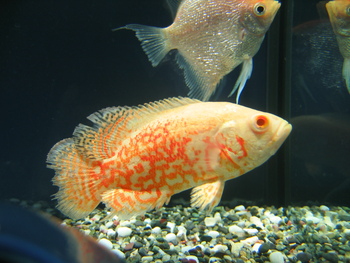
Basic Care Tips for Cichlids
While cichlids vary in temperament and habitat needs, some general guidelines apply to most species:
Tank Size
Many cichlids grow large or are territorial. Larger tanks (40 gallons and above) are usually recommended.
Water Conditions
- Maintain stable temperatures
- Match the water parameters of the specific species (African vs. South American)
Diet
Most cichlids thrive on:
- Pellets
- Flakes
- Frozen foods
- Live foods (for some species)
Aquascaping
Provide:
- Rocks and caves
- Plants (for species that do not dig them up)
- Plenty of hiding spaces
Tank Mates
Choose species with similar size and temperament. Avoid mixing peaceful fish with aggressive cichlids.
FAQs About Cichlids
1. Are cichlids good for beginners?
Some species, like angelfish, Convicts, and Kribensis, are beginner-friendly. Others, like discus or many African cichlids, require more experience.
2. Are cichlids aggressive?
Not all, but many can be territorial—especially during breeding. Species selection and proper tank setup are key.
3. Do cichlids need a large tank?
Most do. Many cichlids grow large or require space to establish territories.
4. What do cichlids eat?
Cichlids are omnivores, carnivores, or herbivores depending on species. A varied diet of pellets, flakes, and frozen foods works for most.
5. Can cichlids live with other fish?
Yes, but choose tank mates carefully. Some cichlids do well in community setups, while others require species-only tanks.
6. Why are cichlids so colorful?
Their colors come from natural selection, mating displays, and adaptability to their environments.