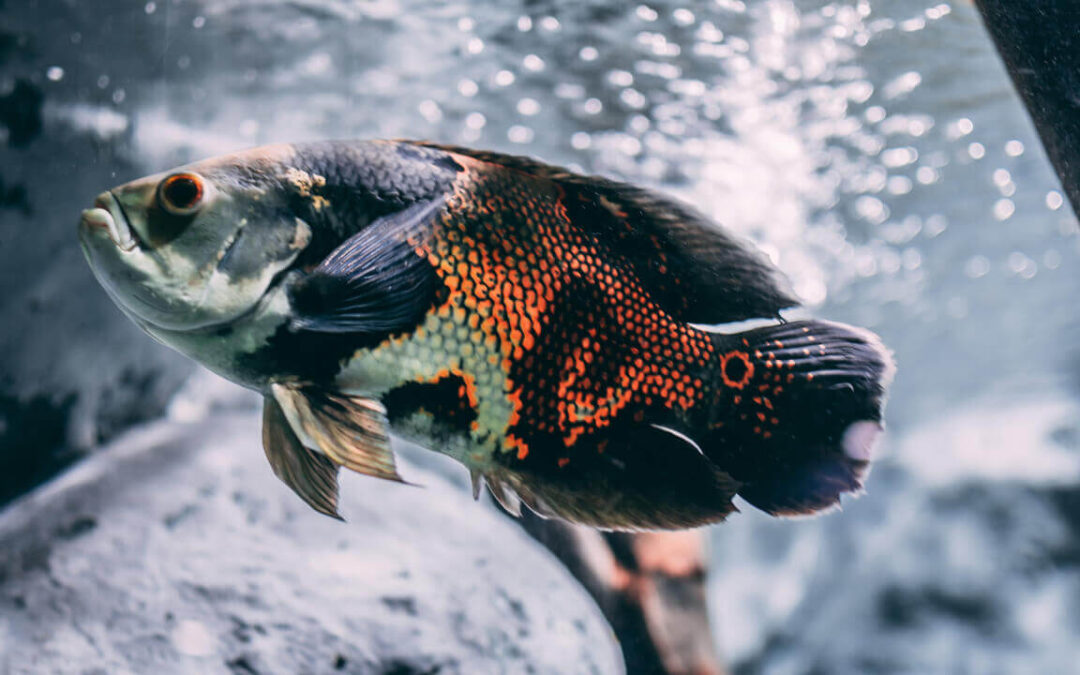
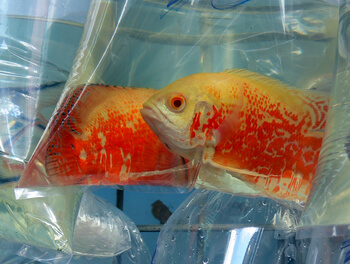
Oscar fish (Astronotus ocellatus) are often called the “water dogs” of the aquarium world—and for good reason. They’re intelligent, interactive, and full of personality. But that big personality comes with a reputation: Oscars are large, messy, and sometimes aggressive.
So one of the most common questions new and experienced hobbyists ask is: what fish can live with Oscar fish?
The short answer is this: Oscars can live with large, robust tank mates that can hold their own, such as Severums, Green Terrors, Jack Dempseys, Silver Dollars, Tinfoil Barbs, Bichirs, Plecos, and larger catfish. However, success depends heavily on tank size, layout, and the individual Oscar’s personality. Smaller fish will almost always become food, and some aggressive cichlids like Flowerhorns or Midas Cichlids are best avoided.
In this in-depth guide, we’ll break down the best Oscar tank mates, fish to avoid, key setup considerations, and practical tips to help you build a peaceful (or at least manageable) Oscar community tank.
Understanding Oscar Fish Behavior First
Before choosing tank mates, it’s important to understand how Oscars think and behave.
Oscars are:
- Large (up to 12–14 inches)
- Territorial, especially as adults
- Opportunistic eaters
- Intelligent and curious
- Highly individual in temperament
Some Oscars are surprisingly mellow and tolerate tank mates well. Others become bullies as they mature. This is why two Oscar tanks can have completely different outcomes even with the same fish species.
Rule of thumb: If a fish can fit in an Oscar’s mouth—or be overpowered—it’s not safe.
Best Tank Mates for Oscar Fish
Good Tank Mates (South American Cichlids & Similar Fish)
These fish share similar water requirements and are generally large enough to coexist with Oscars.
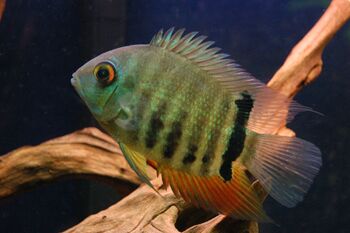
Severums (Green, Gold, Red Shoulder)
One of the best Oscar tank mates overall.
Why they work:
- Peaceful but not weak
- Similar size and temperament
- Beautiful color contrast
- Tolerant of Oscar behavior
Severums tend to avoid unnecessary fights and can defend themselves if needed. In many tanks, they become calm, complementary companions to Oscars.
Green Terror & Jaguar Cichlid
These can work—but with caution.
Pros:
- Large, powerful, and confident
- Not easily intimidated by Oscars
Cons:
- Highly aggressive, especially as adults
- Best introduced when young
If you attempt these pairings, a very large tank and close monitoring are essential.
Jack Dempsey Cichlid
A classic Oscar companion.
Jack Dempseys are territorial but not relentlessly aggressive. When raised together or given enough space, they often coexist successfully with Oscars.
Blood Parrot Cichlid
Surprisingly compatible.
Despite their odd appearance, Blood Parrots are:
- Hardy
- Thick-bodied
- Less aggressive than they look
They’re large enough not to be eaten and tend to avoid prolonged fights.
Firemouth Cichlid
A “maybe” option.
Firemouths can live with juvenile Oscars, but adult Oscars may:
- Outcompete them for food
- Stress them over time
Best suited for large tanks with plenty of hiding spots.
Electric Blue Acara
One of the more peaceful choices.
Electric Blue Acaras are:
- Calm by cichlid standards
- Large enough to survive
- Excellent for adding color
They do best with mellow Oscars and ample swimming space.
Convict Cichlid
Tough but territorial.
Convicts can coexist with Oscars, but don’t mistake their size for weakness. They’re aggressive breeders and may provoke fights if space is limited.
Other Large Fish That Can Live With Oscars
Not all Oscar tank mates have to be cichlids.
Silver Dollars
One of the most recommended non-cichlid tank mates.
Why they work:
- Fast swimmers
- Grow large enough to avoid predation
- Peaceful schooling fish
They help reduce aggression by occupying open swimming space and distracting Oscars.
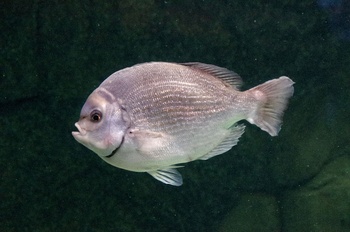
Tinfoil Barbs
Similar to Silver Dollars but even more active.
Tinfoil Barbs:
- Need groups (5+)
- Grow large (12+ inches)
- Require massive tanks
Best for very large Oscar setups.
Bichirs
Excellent bottom-dwelling companions.
Bichirs are:
- Armored
- Primitive and tough
- Mostly nocturnal
They stay near the bottom and are rarely harassed by Oscars.
Catfish (Plecos & Large Species)
Great cleanup crew—but choose wisely.
Good options:
- Common Plecos
- Sailfin Plecos
- Large Synodontis
- Couta Catfish
Avoid small or delicate catfish. Also watch for Plecos rasping slime coats at night.
Clown Loaches
Possible in large tanks.
Clown Loaches:
- Grow large
- Are social and active
- Handle boisterous tank mates well
They need groups and lots of space, making them suitable only for big aquariums.
Arowana & Pacu
For expert keepers only.
These fish can live with Oscars only in extremely large setups (pond-sized or custom tanks). They share South American origins but grow massive and require specialized care.
Fish You Should Avoid With Oscar Fish
Some fish are simply bad matches, no matter how calm your Oscar seems.
Small Fish
This includes:
- Neon Tetras
- Guppies
- Small Barbs
- Rasboras
- Danios
They will eventually become expensive snacks.
Aggressive Cichlids
Avoid pairing Oscars with:
- Flowerhorns
- Midas Cichlids
- Red Devils
These fish are hyper-aggressive and often result in constant fighting unless housed in enormous tanks with expert-level management.
Delicate or Slow Fish
Angelfish, Discus, and similar species are too fragile and stress easily around Oscars.
Key Considerations for a Successful Oscar Community Tank
Tank Size
This is the single most important factor.
- One Oscar: 75 gallons minimum
- Oscar + tank mates: 125–180+ gallons recommended
Bigger tanks reduce aggression dramatically.
Introduce Fish When Young
Raising fish together helps establish long-term tolerance. Adult Oscars introduced to new tank mates are far more likely to attack.
Provide Plenty of Hiding Spots
Use:
- Driftwood
- Rocks
- Caves
- Visual barriers
This helps break lines of sight and reduce territorial disputes.
Monitor Behavior Closely
Oscar personalities vary widely. Always be prepared to:
- Separate fish
- Rehome aggressive individuals
- Adjust tank layout
There is no “guaranteed” Oscar tank mate.
FAQs About Oscar Fish Tank Mates
Can Oscar fish live with other Oscars?
Yes, but it’s risky. Some pairs bond, while others fight relentlessly. Large tanks and careful monitoring are essential.
Can Oscars live with plecos?
Yes, large Plecos are common tank mates. Watch for nighttime aggression or slime coat damage.
Can Oscars live with goldfish?
No. Goldfish require cooler water and are slow, making them easy prey.
Are Oscars aggressive all the time?
Not necessarily. Many Oscars are calm with compatible tank mates, but aggression can increase during feeding or breeding.
What is the easiest tank mate for Oscar fish?
Silver Dollars and Severums are among the most reliable and beginner-friendly choices.
Can Oscars live in a community tank?
Only a large-fish community tank. Traditional community fish are not compatible.
Real-Life Factors That Make or Break Oscar Tank Mate Success
Even if you choose “approved” Oscar tank mates, real-world success often comes down to small details that many guides overlook. Long-time Oscar keepers will tell you that compatibility isn’t black and white—it’s shaped by environment, routine, and even feeding habits.
Feeding Strategy Matters More Than You Think
One of the biggest triggers for Oscar aggression is competition during feeding time.
Oscars are aggressive eaters. If tank mates are slow, timid, or feed in the same water column, problems can develop quickly—even with otherwise compatible fish.
Tips to reduce feeding aggression:
- Feed sinking pellets or wafers for bottom dwellers like Plecos, Bichirs, and Catfish
- Scatter floating pellets across the tank instead of feeding in one spot
- Feed at opposite ends of the aquarium
- Offer food at night for nocturnal fish (like Bichirs)
When every fish can eat without competing directly with the Oscar, aggression drops dramatically.
Tank Layout: Territory Is Everything
Oscars may not be reef builders, but they do claim territory. A bare tank often leads to more fighting because fish can see each other constantly.
A well-designed tank:
- Breaks lines of sight
- Creates visual “walls”
- Offers escape routes
Best décor for Oscar tanks:
- Large driftwood pieces
- Rock piles anchored securely
- Artificial caves (large enough for big fish)
- Tall, sturdy plants (real or artificial)
The goal isn’t decoration—it’s stress management.
Can Oscar Fish Live With Bottom Dwellers Long-Term?
Bottom dwellers are often recommended because they “stay out of the Oscar’s way,” but this isn’t always foolproof.
Why Bottom Dwellers Usually Work
- Oscars spend most of their time mid-water
- Bottom dwellers are often armored or thick-skinned
- Different feeding zones reduce conflict
Potential Issues to Watch For
- Plecos rasping slime coats at night
- Oscars digging and disturbing resting fish
- Food competition if sinking food isn’t provided
Best long-term bottom dwellers for Oscars
- Large Plecos (Common, Sailfin)
- Bichirs
- Large Synodontis Catfish
- Clown Loaches (in groups)
Avoid small Corydoras or delicate loaches—they won’t survive.
Mixing Oscars With Other Large Predatory Fish
Many aquarists wonder if Oscars can live with other “monster fish.” The answer is sometimes—but only with serious planning.
What Works in Huge Tanks
In tanks 180 gallons and above, Oscars can sometimes coexist with:
- Arowanas
- Pacu
- Large Catfish species
However, these setups are not beginner-friendly. Growth rates, waste production, and feeding needs differ significantly.
If space is limited, stick to medium-large cichlids and schooling fish instead.
Juvenile Oscars vs Adult Oscars: Big Difference in Behavior
One reason people get mixed results with Oscar tank mates is timing.
Juvenile Oscars
- More tolerant
- Less territorial
- Easier to introduce new fish
Adult Oscars
- Stronger territorial instincts
- More confident predators
- Less likely to accept newcomers
Best practice:
Add tank mates early, let them grow together, and avoid adding new fish once the Oscar is fully grown.
Signs a Tank Mate Isn’t Working
Not all aggression is obvious. Sometimes stress builds quietly before things turn ugly.
Warning Signs to Watch For
- Torn fins or missing scales
- Fish hiding constantly
- Refusing food
- Rapid breathing
- One fish dominating feeding time
If you see these signs, don’t wait—separate or rehome fish before injuries become severe.
Are Oscar Fish Actually “Mean”?
Oscar fish get labeled as aggressive, but many experienced keepers argue they’re more assertive than violent.
In reality:
- Oscars are curious
- They test boundaries
- They react strongly to perceived threats
An Oscar in a cramped tank with poor décor and constant competition will act aggressive. The same fish in a spacious, well-planned setup can be surprisingly calm.
This is why some hobbyists keep Oscars with multiple tank mates for years—while others struggle with aggression in smaller tanks.
Single Oscar Tank vs Community Oscar Tank
There’s no shame in keeping a single Oscar.
Single Oscar Tank Pros
- No compatibility stress
- Easier feeding
- Lower aggression risk
- Stronger bond with the owner
Community Tank Pros
- More movement and interest
- Reduced boredom for the Oscar
- Natural behavior display
If you choose a community tank, commit fully: big tank, careful choices, and regular observation.
Common Myths About Oscar Tank Mates
“Oscars will eat anything eventually”
Not true. While they can eat small fish, many Oscars live peacefully with large tank mates for years.
“Oscars can’t live with other cichlids”
Also false. They often coexist well with compatible South American cichlids.
“Aggression means the tank is failing”
Not always. Occasional chasing is normal. Persistent damage is the real concern.
How to Improve Compatibility Over Time
If your Oscar tank is mostly peaceful but slightly tense, small adjustments can help.
Try:
- Rearranging décor to reset territories
- Increasing feeding frequency slightly
- Adding dithering fish like Silver Dollars
- Improving filtration and water quality
Clean, stable water reduces stress—and stressed fish fight more.
Keeping Oscar fish with tank mates isn’t about forcing peace—it’s about engineering balance. When fish have space, food, and places to retreat, even bold species like Oscars can coexist successfully.
If you remember just three things:
- Bigger tanks = better behavior
- Choose fish that can defend themselves
- Watch your Oscar’s personality
You’ll be far more successful than relying on species lists alone.
Oscar fish reward patience. Get the setup right, and you’ll not only have a thriving aquarium—you’ll have one of the most engaging freshwater displays in the hobby.
Final Thoughts
So, what fish can live with Oscar fish?
The best tank mates are large, robust, fast, or armored fish that share similar water conditions and can handle an Oscar’s size and personality. Severums, Silver Dollars, Bichirs, Plecos, and select cichlids consistently top the list, while small fish and ultra-aggressive species should be avoided.
Ultimately, Oscar compatibility isn’t just about species—it’s about space, setup, and the individual fish. If you plan carefully, monitor behavior, and give your Oscars room to thrive, you can create a stunning and surprisingly harmonious aquarium centered around one of the hobby’s most beloved fish.