If you’ve ever watched a school of tetras glide through your aquarium, you already know how lively and colorful these tiny fish can be. But keeping them active and vibrant starts with one important question: what do tetras fish eat?
The good news is that tetras are not picky. In fact, most species are omnivorous, meaning they eat both plant and animal matter. With the right mix of high-quality staple foods and occasional treats, your tetras will thrive, show brighter colors, and live longer, healthier lives.
Let’s break down exactly what they should eat — and how to feed them properly.
Are Tetras Carnivores or Omnivores?
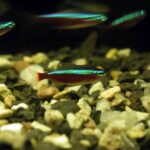
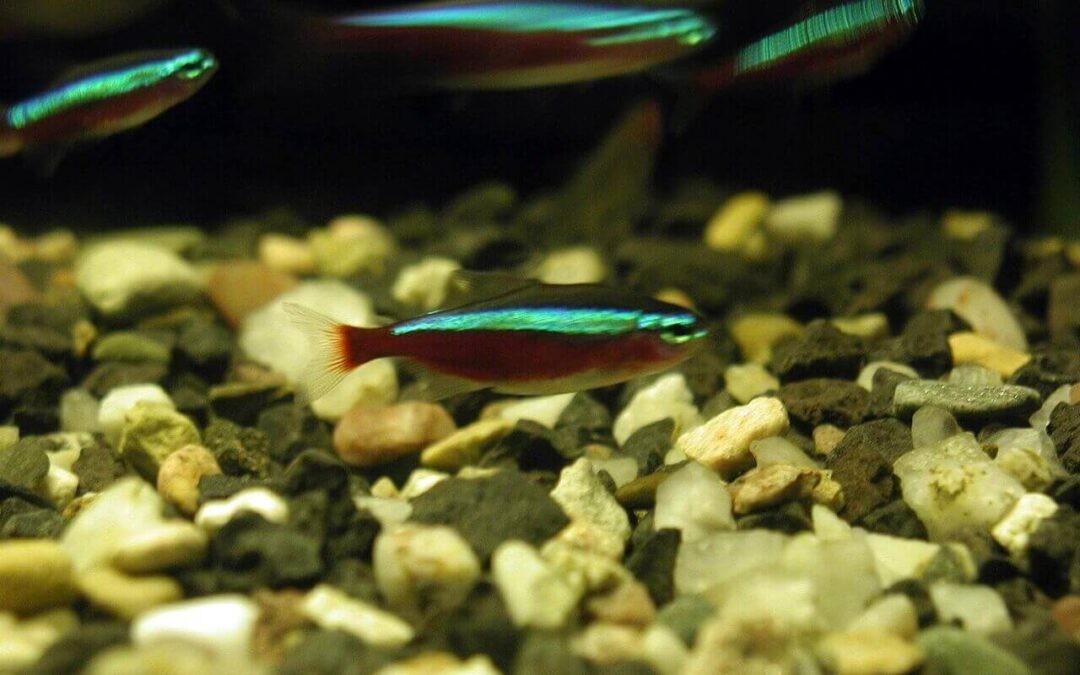
Most common aquarium tetras — such as Neon Tetras, Cardinal Tetras, and Black Skirt Tetras — are primarily omnivorous.
In the wild, they feed on:
- Small insects
- Insect larvae
- Tiny crustaceans
- Algae
- Plant debris
- Zooplankton
In your aquarium, they do best on a varied diet of high-quality flakes, micro-pellets, and frozen or live treats like brine shrimp.
The Best Staple Foods for Tetras
Your tetras’ daily diet should consist of nutritionally balanced foods designed specifically for tropical fish. Because tetras have very small mouths, food size matters.
Here are some top recommended options:
1. TetraMin Tropical Flakes
A classic, easy-to-digest flake food that provides balanced nutrition. It’s ideal for everyday feeding and works well for surface and mid-level feeders.
2. Fluval Bug Bites
Made with insect larvae as the main ingredient, this high-protein option mimics what tetras naturally eat in the wild. It’s excellent for growth and vitality.
3. Hikari Micro Pellets
These small, slow-sinking pellets are perfect for tetras’ tiny mouths. They’re rich in protein and great for daily feeding.
4. TetraColor Tropical Flakes
Designed to enhance natural coloration, this food helps bring out the bright blues, reds, and silvers that make tetras so popular.
Best Treats for Tetras (Frozen or Freeze-Dried)
While flakes and pellets should form the base of their diet, treats add variety and boost health.
Brine Shrimp
An excellent protein source that promotes vibrant color and overall health.
Bloodworms
A favorite among tetras. These are high in protein and ideal as an occasional treat.
Daphnia
Great for digestive health and variety, especially when offered frozen.
Offering treats 1–2 times per week keeps feeding interesting and mimics their natural feeding behavior.
How Often Should You Feed Tetras?
Feeding frequency is just as important as food type.
Recommended schedule:
- Feed 1–3 times per day
- Offer only what they can consume within 1–3 minutes
Overfeeding is one of the most common mistakes in fishkeeping. Uneaten food sinks, decomposes, and pollutes the water — leading to cloudy water and harmful ammonia spikes.
A simple rule: If food is still floating after a few minutes, you gave too much.
Why Variety Is Important
Even though tetras are small, they benefit from dietary diversity.
Rotating foods helps:
- Prevent nutritional deficiencies
- Enhance coloration
- Support immune health
- Encourage natural foraging behavior
For example:
- Morning: Flakes
- Evening: Micro pellets
- Twice a week: Frozen brine shrimp or bloodworms
This kind of rotation keeps them active and thriving.
Do Different Types of Tetras Eat the Same Thing?
Generally, yes — most aquarium tetras share similar dietary needs. However, there can be small differences depending on species.
Surface vs. Mid-Level Feeders
Some tetras prefer food that floats briefly before sinking, while others naturally feed mid-water. Using a mix of flakes and slow-sinking pellets ensures everyone in the school gets a fair share.
Larger Tetra Species
Species like Congo Tetras may handle slightly larger pellets compared to tiny Neon Tetras. Always match food size to mouth size.
Can Tetras Eat Vegetables?
Yes — in moderation.
While they’re not heavy plant eaters, tetras can nibble on:
- Blanched spinach
- Zucchini slices
- Shelled peas (finely mashed)
Vegetables are optional but can provide extra fiber and nutrients. Remove uneaten portions after a few hours to prevent decay.
Foods to Avoid
Not all fish foods are appropriate for tetras.
Avoid:
- Large pellets (they can choke)
- Overly fatty foods as staples
- Human food like bread
- Beef heart (too heavy for small tetras)
Stick to foods formulated specifically for tropical fish.
Signs Your Tetras Are Eating Well
Healthy, well-fed tetras will show:
- Bright, vibrant colors
- Active schooling behavior
- Steady growth
- Clear eyes and smooth scales
If they appear pale, lethargic, or thin, it could signal poor diet or feeding issues.
Common Feeding Mistakes
Even experienced aquarists sometimes slip up. Here are a few to watch for:
1. Overfeeding
The biggest problem in aquariums. It leads to water quality issues.
2. Feeding Only One Type of Food
Variety ensures balanced nutrition.
3. Ignoring Food Size
Tetras have tiny mouths — micro pellets and crushed flakes work best.
4. Skipping Water Maintenance
Even perfect feeding won’t help if water quality declines.
Fun Facts About Tetra Feeding
- In the wild, many tetras rely on insects that fall into the water from above.
- Their small, upturned mouths are adapted for mid-water feeding.
- A fasting day once a week can actually benefit adult tetras by preventing digestive issues.
- Brighter colors often appear after introducing protein-rich treats like brine shrimp.
Do Tetras Overeat?
Yes — and they’re very good at pretending they’re still hungry.
Tetras are opportunistic. In the wild, food can be scarce, so they instinctively eat whenever it’s available. In an aquarium, where food appears daily, this instinct can lead to overeating if the owner isn’t careful.
Signs of overfeeding include:
- Bloated bellies
- Uneaten food on the substrate
- Cloudy water
- Increased algae growth
A healthy tetra’s belly should look slightly rounded after feeding, but not swollen.
Protein vs. Plant Matter: Finding the Right Balance
Since tetras are omnivores, they need both protein and plant-based nutrients.
Protein Sources
Protein supports:
- Growth
- Fin development
- Immune health
- Breeding readiness
Excellent protein sources include:
- Insect larvae-based foods like Fluval Bug Bites
- Micro pellets such as Hikari Micro Pellets
- Frozen brine shrimp
- Bloodworms
Plant-Based Ingredients
Plant matter supports:
- Digestion
- Immune function
- Long-term health
Quality flakes like TetraMin Tropical Flakes often include algae and plant-based nutrients to balance protein levels.
Too much protein without fiber can lead to bloating. Too much plant matter without enough protein can result in slow growth and faded color. Balance is everything.
Should You Use Automatic Feeders?
If you travel often, an automatic feeder can be helpful. However, flakes can sometimes clump due to humidity.
Micro pellets tend to work better in automatic feeders because they dispense more consistently.
Still, many experienced aquarists will tell you:
Healthy adult tetras can safely go 2–3 days without food if necessary. It’s often safer than risking overfeeding.
Seasonal and Breeding Diet Adjustments
If you plan to breed tetras, you may need to increase protein intake slightly.
Before breeding:
- Offer more live or frozen foods.
- Feed smaller meals more frequently.
- Ensure high water quality.
Protein-rich diets help condition both males and females for spawning.
Fun fact: Some tetra species display brighter colors and more active behavior when well-conditioned with live foods prior to breeding.
Digestive Health and Fasting Days
Many hobbyists practice a “fasting day” once per week.
Skipping food for one day:
- Allows the digestive system to reset.
- Reduces waste buildup.
- Helps prevent bloating.
Because tetras are small fish, their digestive systems are delicate. A short fasting period is completely safe for healthy adults.
How Feeding Impacts Water Quality
Here’s something that surprises many beginners:
Most aquarium problems don’t start with the fish — they start with excess food.
When uneaten food decays, it releases:
- Ammonia
- Nitrites
- Nitrates
Even high-quality food becomes harmful if overfed.
A good feeding routine keeps:
- The water clear
- The filter efficient
- The fish stress-free
Think of feeding as part of your water maintenance strategy.
Fun and Interesting Feeding Facts
- Tetras rely heavily on sight when feeding, which is why bright lighting during feeding time helps.
- They may “test bite” new foods before committing.
- Schooling behavior often intensifies during feeding.
- In larger groups, feeding competition can actually make them more active and confident.
- Some tetras learn your routine and swim to the front when you approach the tank.
Yes — they can absolutely recognize feeding time!
Creating a Simple Weekly Feeding Plan
Here’s an example of a balanced weekly schedule:
Monday: High-quality flakes
Tuesday: Micro pellets
Wednesday: Frozen brine shrimp
Thursday: Flakes
Friday: Micro pellets
Saturday: Bloodworms (treat)
Sunday: Fasting day
This rotation ensures:
- Nutritional balance
- Color enhancement
- Digestive health
- Excitement during feeding
FAQs About What Tetras Fish Eat
1. Can tetras survive on flakes only?
Yes, high-quality flakes can sustain them, but adding variety improves health and coloration.
2. How many times a day should I feed my tetras?
Feed 1–3 times daily, offering only what they can eat within 1–3 minutes.
3. Do tetras eat algae?
They may nibble lightly, but they are not effective algae eaters.
4. Can baby tetras eat the same food?
Fry require finely crushed flakes or specialized fry food. Standard flakes are usually too large.
5. Is live food necessary?
Not required, but live or frozen treats can improve vitality and natural behavior.
6. Can I skip feeding for a day?
Yes. Healthy adult tetras can safely go one day without food and may benefit from occasional fasting.
Final Thoughts
So, what do tetras fish eat?
They thrive on a balanced, varied omnivorous diet made up of high-quality flakes, micro pellets, and occasional frozen or freeze-dried treats like brine shrimp, bloodworms, and daphnia.
Feed small portions 1–3 times daily, rotate foods for balanced nutrition, and avoid overfeeding to keep your aquarium clean and healthy.
With the right feeding routine, your tetras will reward you with dazzling color, energetic schooling, and years of enjoyment.
If you keep their diet varied, portions small, and water clean, your tetras will stay happy, colorful, and active for years to come.