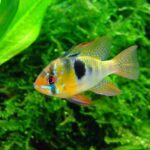
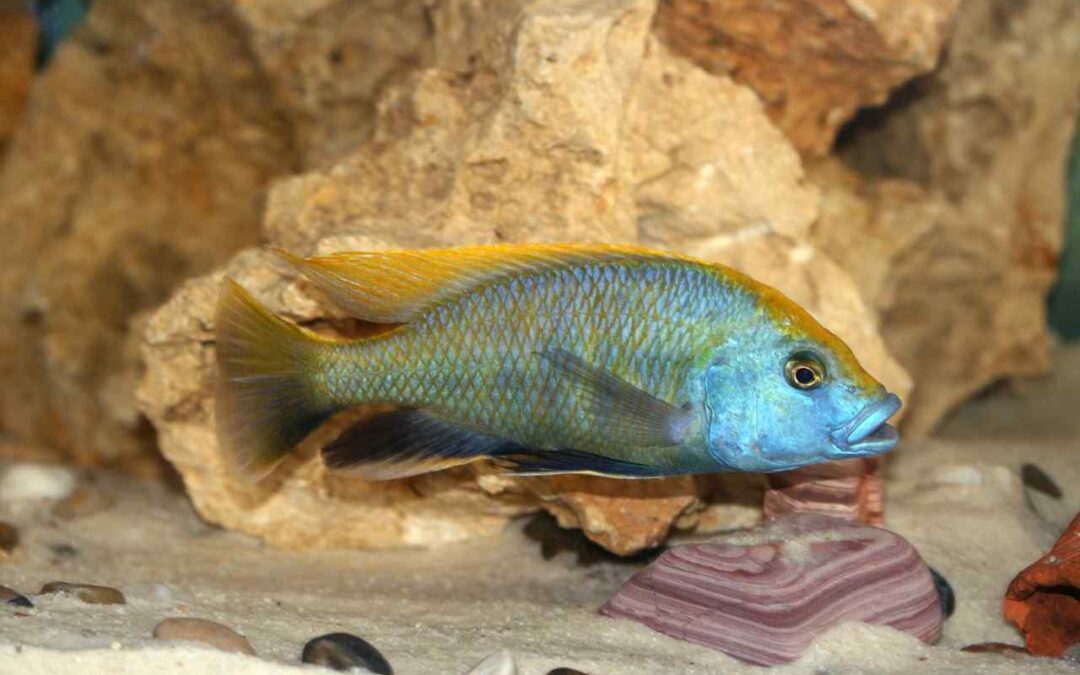
Cichlids are some of the most fascinating and personality-filled fish in the aquarium hobby. From colorful African Mbuna to large South American Oscars, one thing becomes clear very quickly: cichlids don’t all eat the same food. Understanding what cichlid fish eat is key to keeping them healthy, active, and brightly colored.
Cichlids have diverse diets in the wild, and their feeding needs in captivity reflect that. Some are strict plant-eaters, others are meat-focused predators, while many fall somewhere in between. Let’s break it down in a simple, practical way.
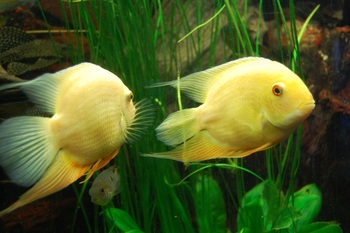
Understanding Cichlid Diets
Cichlids can be grouped into three main dietary types: herbivores, carnivores, and omnivores. Feeding the wrong diet is one of the most common causes of health issues like bloating, poor growth, and shortened lifespan.
Herbivorous Cichlids (Mbuna and Similar Species)
Many African Mbuna cichlids from Lake Malawi are primarily herbivores. In the wild, they graze on algae and plant matter throughout the day.
Best foods for herbivorous cichlids:
- Spirulina flakes or pellets
- Algae wafers
- Vegetable-based cichlid pellets
- Blanched vegetables such as spinach, peas, and zucchini
High-protein or fatty foods can cause digestive problems like Malawi bloat in these fish, so plant-based foods should always be the foundation of their diet.
Carnivorous and Omnivorous Cichlids
Peacock cichlids, Haps, and most South and Central American cichlids are carnivores or omnivores. These fish naturally eat insects, crustaceans, and smaller fish.
Best foods for carnivorous and omnivorous cichlids:
- High-quality protein-rich pellets or flakes
- Frozen or live brine shrimp
- Bloodworms, daphnia, and krill
- Small insects or ghost shrimp
These fish benefit from higher protein levels, but fatty foods should still be offered in moderation to avoid obesity and water quality issues.
Best Food Types to Offer Cichlids
A healthy cichlid diet includes a mix of staple foods and occasional treats.
Staple Foods
High-quality cichlid pellets and flakes should make up most of their diet. Choose formulas designed specifically for your cichlid type—vegetable-based for herbivores and protein-focused for carnivores and omnivores. Pellets are often preferred because they’re less messy and nutritionally balanced.
Frozen and Live Foods (Treats)
Frozen or live foods are excellent supplements but should be treated as occasional treats rather than daily meals.
Popular options include:
- Brine shrimp
- Bloodworms
- Daphnia
- Krill
- White worms
These foods boost color, growth, and natural behavior, but overfeeding can quickly pollute the tank.
Vegetables
Vegetables are especially important for veggie-loving cichlids but can benefit omnivores too.
Good vegetable options:
- Blanched peas (skin removed)
- Spinach
- Cucumber
- Algae wafers
Always blanch vegetables to soften them and remove leftovers after a few hours.
Meaty Foods
Meaty options like beef heart are sometimes used for protein-hungry cichlids, but only in very small amounts. Beef heart is high in fat and should never be a regular food.
Feeding Tips for Healthy Cichlids
- Variety is key: Don’t feed the same food every day. Mixing foods prevents nutritional deficiencies.
- Don’t overfeed: Overfeeding leads to bloating, poor water quality, and disease. Feed only what your fish can eat in 30–60 seconds.
- Feeding frequency: Adult cichlids usually do well with one feeding per day, 5–6 days a week. Skipping one day helps digestion. Juveniles need smaller, more frequent meals.
- Know your fish: Match food size and type to the species and mouth size. Sinking pellets work better for bottom feeders, while floating foods suit surface feeders.
FAQs About What Cichlid Fish Eat
What do cichlid fish eat in the wild?
In the wild, cichlids eat algae, plant matter, insects, crustaceans, and small fish depending on the species.
Can cichlids eat flakes?
Yes, cichlids can eat flakes, but pellets are often better because they’re more nutrient-dense and less messy.
How often should I feed my cichlids?
Most adult cichlids should be fed once daily, 5–6 days per week. Juveniles need more frequent feedings.
Can cichlids eat vegetables?
Yes, many cichlids—especially herbivores like Mbuna—benefit greatly from blanched vegetables such as spinach, peas, and cucumber.
What foods should I avoid feeding cichlids?
Avoid fatty foods, excessive beef heart, and feeding herbivorous cichlids high-protein diets, as these can cause serious health problems.
Feeding cichlids correctly doesn’t have to be complicated. When you match their diet to their natural feeding style and offer variety in moderation, your cichlids will reward you with vibrant colors, strong growth, and lively behavior.