If you’ve ever spotted tiny dots clinging to a rock, cave, or even being carried inside a fish’s mouth, you might be witnessing one of the most fascinating moments in aquarium keeping — cichlid eggs. For both beginners and experienced aquarists, knowing what cichlid eggs look like can help you identify successful breeding, protect developing fry, and maintain a healthy tank environment.
Cichlids are famous for their intelligence, vibrant colors, and complex breeding behaviors. Their eggs may be small, but they offer big clues about your fish’s health and breeding success. In this complete guide, we’ll explore the appearance of cichlid eggs, their color, shape, placement, development stages, and how to distinguish healthy eggs from infertile ones — all in a natural, easy-to-understand way.
What Do Cichlid Eggs Look Like?
Cichlid eggs are small, oval-shaped, and usually yellow, orange, or beige in color. They resemble tiny grains of rice and are typically laid in tight clusters rather than scattered around the tank.
According to experts, cichlid eggs are often oval or rice-shaped and range in color from yellow and orange to brownish-orange. As they mature, they may become slightly transparent, and just before hatching, tiny black dots — the developing fry’s eyes — can be seen inside the egg.
Key Characteristics at a Glance:
- Color: Yellow, orange, beige, or light brown
- Shape: Oval or rice-shaped
- Size: Very small (1–2 mm, depending on species)
- Arrangement: Laid in clusters or carried in the female’s mouth
- Appearance Before Hatching: Small black dots (eyes) visible inside
These subtle features make cichlid eggs fascinating to observe, especially during daily tank inspections.
Where Do Cichlids Lay Their Eggs?
Cichlids are known for their diverse breeding behaviors, and egg placement depends heavily on species. Broadly, they fall into two main breeding groups:
1. Substrate Spawners
These cichlids lay eggs on flat, solid surfaces. Common locations include:
- Rocks
- Driftwood
- Aquarium glass
- Flower pots
- Inside caves
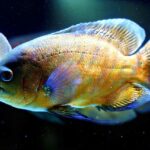
Popular substrate-spawning cichlids include Angelfish, Oscar fish, Convict cichlids, and Jack Dempseys. They meticulously clean the chosen surface before laying eggs, ensuring better survival rates.
2. Mouthbrooders
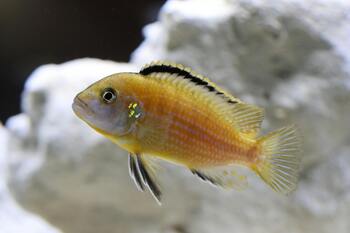
Many African cichlids, especially Mbuna and Peacock cichlids, are mouthbrooders. After fertilization, the female picks up the eggs and carries them in her mouth for protection.
During this period, she may appear:
- Less active
- Reluctant to eat
- With a slightly swollen jaw
This method protects eggs from predators and increases fry survival — a remarkable evolutionary adaptation.
What Color Are Healthy Cichlid Eggs?
Healthy cichlid eggs usually display vibrant shades of yellow, orange, or beige. As they mature, they often become slightly transparent, allowing you to see developing embryos.
Color Changes During Development:
- Day 1–2: Bright yellow or orange
- Day 3–4: Slightly darker or more translucent
- Day 4–7: Tiny black dots (eyes) visible
These changes indicate healthy embryo growth and successful fertilization.
What Do Infertile or Dead Cichlid Eggs Look Like?
One of the easiest ways to identify bad eggs is by their color and texture.
Infertile or dead cichlid eggs turn white and often develop a fuzzy appearance due to fungal growth. This white fuzz contrasts sharply with the healthy yellow or orange eggs.
Signs of Unhealthy Eggs:
- Milky white color
- Fuzzy or cotton-like coating
- Eggs shrinking or collapsing
Most parent cichlids will remove or eat infertile eggs to prevent fungus from spreading to healthy ones. This may look alarming, but it’s completely natural and beneficial.
How Big Are Cichlid Eggs?
Cichlid eggs are tiny, typically measuring:
- 1–2 millimeters in diameter, depending on species
Although small, they are easy to spot because they are laid in clusters, often numbering 50 to over 1,000 eggs in a single spawning.
Larger species like Oscars and Angelfish tend to produce bigger eggs, while smaller African cichlids lay finer, more compact eggs.
What Do Cichlid Eggs Look Like Before Hatching?
As hatching approaches, exciting changes become visible inside the egg. According to experts, tiny black dots appear, representing the developing fry’s eyes.
At this stage:
- Eggs look more transparent
- You can sometimes see subtle movement
- The egg cluster appears darker overall
Hatching typically occurs within 3–7 days, depending on temperature and species.
How Long Do Cichlid Eggs Take to Hatch?
Most cichlid eggs hatch within:
- 48–72 hours for tropical species
- Up to 7 days for larger species or cooler temperatures
After hatching, the fry remain attached to surfaces or hidden in pits while they absorb their yolk sacs. This stage lasts another 4–6 days before they become free-swimming.
Should You Remove Cichlid Eggs?
In most cases, it’s best to let the parents care for their eggs, as cichlids are excellent caregivers. However, removal may be necessary if:
- Other fish are eating the eggs
- The parents are inexperienced
- Aggression threatens survival
If separating eggs, ensure proper aeration, gentle water flow, and antifungal treatment to prevent mold growth.
Tips for Protecting Cichlid Eggs
To improve hatching success:
- Maintain stable water parameters
- Keep temperature between 24–28°C (75–82°F)
- Use gentle filtration
- Avoid sudden water changes
- Reduce tank stress
Happy parents make for healthy eggs and thriving fry.
FAQs About What Do Cichlid Eggs Look Like
1. What color are cichlid eggs?
Cichlid eggs are usually yellow, orange, or beige, becoming more transparent as they mature.
2. How can I tell if cichlid eggs are fertile?
Fertile eggs maintain their color and develop tiny black dots (eyes). Infertile eggs turn white and fuzzy.
3. What do African cichlid eggs look like?
African cichlid eggs look similar in shape and color but are often carried in the female’s mouth instead of being laid on surfaces.
4. Why are my cichlid eggs turning white?
White eggs are usually infertile or dead and may develop fungus. Parents often remove them naturally.
5. How long before cichlid eggs hatch?
Most hatch within 3–7 days, depending on species and water temperature.
6. Can I move cichlid eggs to another tank?
Yes, but only if necessary. Ensure clean water, oxygen flow, and antifungal treatment for best results.
Final Thoughts
Understanding what cichlid eggs look like helps aquarium keepers recognize breeding success and provide the best care possible. From their tiny rice-shaped form and vibrant color to the magical moment when you see little black eyes peeking through, cichlid eggs offer an incredible glimpse into aquatic life.
Whether you keep African mouthbrooders or classic substrate spawners, spotting healthy eggs is always an exciting milestone. With proper care, patience, and observation, you’ll soon witness one of the most rewarding experiences in fishkeeping — raising healthy cichlid fry.