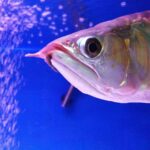
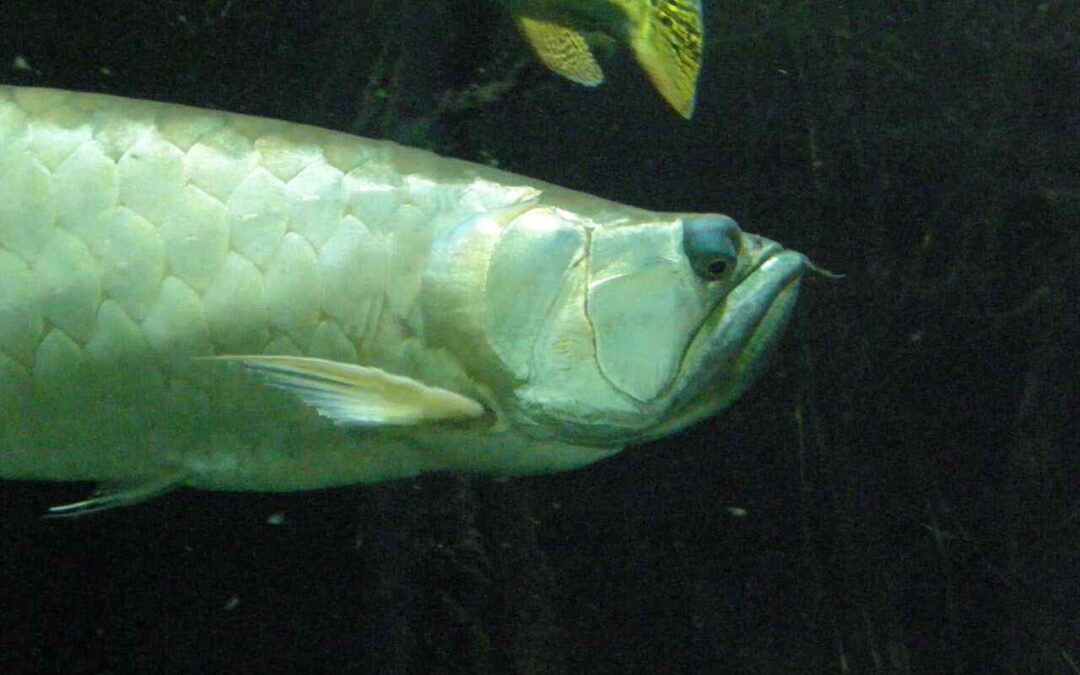
If you’ve ever watched an arowana glide across the surface of a tank, you know there’s something special about this fish. With its long body, metallic scales, and powerful presence, the arowana looks every bit like a prehistoric predator.
And that’s exactly what it is.
So if you’re asking, what do arowana eat? — the short answer is: a high-protein, carnivorous diet made up of live, frozen, and prepared foods. But there’s a lot more to it than simply tossing in feeder fish.
Let’s break it down in a practical, human-friendly way so you can feed your arowana properly and keep it thriving for years.
Arowanas Are Carnivorous Surface Predators
Arowanas are carnivorous, top-dwelling predators. In the wild, species like the Asian Arowana and Silver Arowana hunt near the surface of rivers and flooded forests.
They naturally feed on:
- Small fish
- Insects
- Crustaceans
- Worms
- Occasionally small amphibians or even birds
Because of this instinct, your arowana will almost always prefer floating or surface-level food. They are built to strike upward and forward — not to graze at the bottom like catfish.
Understanding this natural behavior is key to feeding them correctly in captivity.
Key Dietary Items for Arowanas
A balanced arowana diet should include a mix of live foods, frozen/meaty foods, and high-quality prepared pellets.
Here’s what works best:
1. Live Foods
Live food triggers your arowana’s natural hunting instincts. They love movement and will aggressively strike at prey near the surface.
Common live foods include:
- Feeder fish
- Crickets
- Grasshoppers
- Earthworms
- Superworms
- Mealworms
Live insects are especially popular because they float and mimic natural prey.
⚠️ Important Note:
Feeder fish can carry parasites and diseases if sourced from unreliable suppliers. If you choose to use feeder fish, quarantine them first or use high-quality, disease-free sources.
2. Frozen and Meaty Foods
Frozen food is often safer and more convenient than live prey. It’s also easier to control portion sizes.
Great frozen options include:
- Frozen shrimp (thawed)
- Krill
- Bloodworms
- White fish fillets
- Mussels
Shrimp and krill are especially beneficial because they enhance coloration due to natural carotenoids.
Make sure all frozen food is:
- Fully thawed
- Rinsed before feeding
- Cut into appropriate sizes
Large chunks can cause choking or digestive issues, especially for juveniles.
3. Prepared Foods (Pellets & Sticks)
Many people assume arowanas won’t eat pellets. That’s not true — they just need training.
High-quality floating carnivore pellets are excellent for long-term health. They’re nutritionally balanced and reduce the risk of parasites compared to live food.
Popular brands include:
- Hikari
- NorthFin
- Tetra
Look for:
- High protein (40% or more)
- Floating formula
- Carnivore-specific ingredients
Floating pellets are crucial because arowanas feed at the surface.
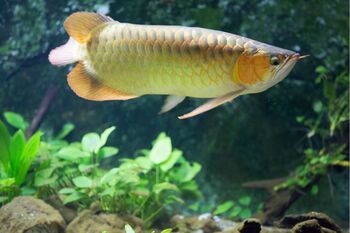
Feeding Schedule: How Often Should You Feed an Arowana?
Feeding frequency depends on age.
Juvenile Arowanas
- Feed 2–3 times daily
- Smaller portions
- Fast metabolism
Young arowanas are growing rapidly and need consistent protein intake.
Adult Arowanas
- Feed once daily
- Larger portions
- More stable metabolism
Overfeeding adults can lead to obesity and fatty liver disease.
How Much Should You Feed?
A simple rule:
👉 Offer only what they can consume within 1–2 minutes.
If food is still floating after that, you’ve probably fed too much.
Overfeeding leads to:
- Poor water quality
- Ammonia spikes
- Obesity
- Organ stress
Remember: arowanas are powerful eaters and will often act hungry even when they’re not.
Why Variety Is So Important
Feeding only one type of food — especially feeder fish — can cause nutritional imbalances.
A varied diet prevents:
- Vitamin deficiencies
- Fatty degeneration
- Color fading
- Digestive issues
A good weekly rotation might look like this:
- Day 1: Pellets
- Day 2: Shrimp
- Day 3: Pellets + insects
- Day 4: Krill
- Day 5: Pellets
- Day 6: Earthworms
- Day 7: Light feeding or fasting
Some hobbyists even schedule a weekly fasting day to support digestion.
Training Arowanas to Eat Pellets
Many new owners struggle here.
Arowanas naturally prefer live food. But they can be trained.
Here’s how:
- Start by mixing pellets with live food.
- Reduce live food gradually.
- Offer pellets when the fish is slightly hungry.
- Be patient — consistency is key.
Some arowanas learn within days. Others may take weeks.
Once trained, pellets make life easier and improve long-term health.
Common Feeding Mistakes
Let’s avoid the biggest errors hobbyists make:
❌ Feeding Only Feeder Fish
This can cause nutritional deficiencies and disease transmission.
❌ Overfeeding
Arowanas grow large but still need controlled portions.
❌ Ignoring Surface Feeding Behavior
Sinking food is often ignored.
❌ Not Thawing Frozen Food Properly
Cold food can shock their digestive system.
Do Arowanas Need Supplements?
If you’re feeding high-quality pellets and rotating frozen foods, supplements usually aren’t necessary.
However, some keepers:
- Gut-load insects
- Soak pellets in vitamins
- Use color-enhancing krill
Just avoid over-supplementation.
What Do Arowanas Eat in the Wild?
In natural habitats across Southeast Asia and South America, arowanas feed opportunistically.
They consume:
- Small fish
- Frogs
- Crustaceans
- Large insects
- Even small animals that fall into the water
Their upward-facing mouth and powerful jaw are designed to strike prey at the surface — sometimes even leaping out of the water.
That’s why floating food works best in aquariums.
Feeding Based on Arowana Species
Different species may have slightly different preferences, but the core diet remains carnivorous and high-protein.
For example:
- Asian varieties tend to be more selective.
- Silver varieties are usually more aggressive eaters.
- Jardini arowanas often accept pellets more quickly.
Still, the feeding principles stay the same.
Interesting Facts of What Arowanas Eat
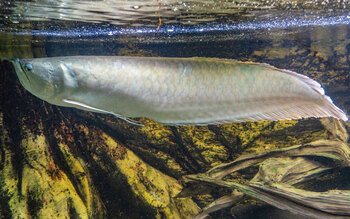
One lesser-known fact is that arowanas have excellent eyesight. Their large, forward-facing eyes are specially adapted for spotting movement at the water’s surface. This is why they respond so dramatically to insects skimming across the top. Some owners even use feeding tongs to gently wiggle shrimp or worms at the surface to trigger a natural strike response. Watching an arowana lock onto its target and launch forward is like seeing a mini crocodile in action.
Another interesting detail is jaw structure. Arowanas have a bony tongue lined with tiny teeth — a trait that places them in the ancient fish family Osteoglossidae, meaning “bony-tongued.” This helps them grip slippery prey like fish and shrimp. It’s also why you should avoid feeding overly large or hard foods that could cause mouth injuries.
Diet can also influence growth rate. A well-fed juvenile arowana on a high-protein, varied diet can grow surprisingly fast — sometimes up to 2 inches per month under optimal conditions. However, rapid growth should always be supported by excellent filtration and large tank space to avoid stunting.
Here’s a fun behavioral quirk: some arowanas develop strong food preferences. If you feed too many mealworms, for example, they may refuse pellets altogether. They can be surprisingly stubborn! That’s why rotating foods early on helps prevent “picky eater syndrome.”
Lastly, feeding time strengthens the bond between fish and owner. Many keepers report their arowana following them across the room, anticipating meals. Over time, they associate you with food and may even perform small jumps when excited.
With arowanas, feeding isn’t just routine care — it’s a dynamic, interactive experience that showcases their intelligence, power, and prehistoric charm.
FAQs About What Arowanas Eat
1. Can arowanas eat only pellets?
Yes, if the pellets are high-quality and nutritionally complete. However, adding variety is healthier and keeps them stimulated.
2. Is it safe to feed feeder fish?
It can be risky due to parasites and poor nutrition. Frozen or pellet foods are safer options.
3. Can arowanas eat chicken or beef?
It’s not recommended. Mammal meats are hard to digest and can cause fatty liver issues.
4. How do I know if I’m overfeeding?
Cloudy water, leftover food, bloating, and rapid weight gain are warning signs.
5. Do arowanas need a fasting day?
Many experienced keepers include one fasting day per week to support digestion.
6. Why won’t my arowana eat pellets?
They may be used to live food. Gradual training and patience usually solve the problem.
7. Can juveniles eat the same food as adults?
Yes, but in smaller portions and more frequent feedings (2–3 times daily).
Final Thoughts
So, what do arowana eat?
They are powerful, carnivorous surface predators that thrive on:
- Live insects and worms
- Frozen shrimp and krill
- High-quality floating carnivore pellets
Juveniles should be fed 2–3 times per day, while adults only need one feeding daily. Always offer only what they can consume within 1–2 minutes, and provide a varied diet to prevent boredom and nutritional deficiencies.
When fed properly, arowanas grow into strong, vibrant, long-lived show fish that truly dominate any aquarium.
If you treat their diet with the same care you treat their tank size and filtration, your arowana will reward you with stunning color, impressive growth, and years of majestic presence.