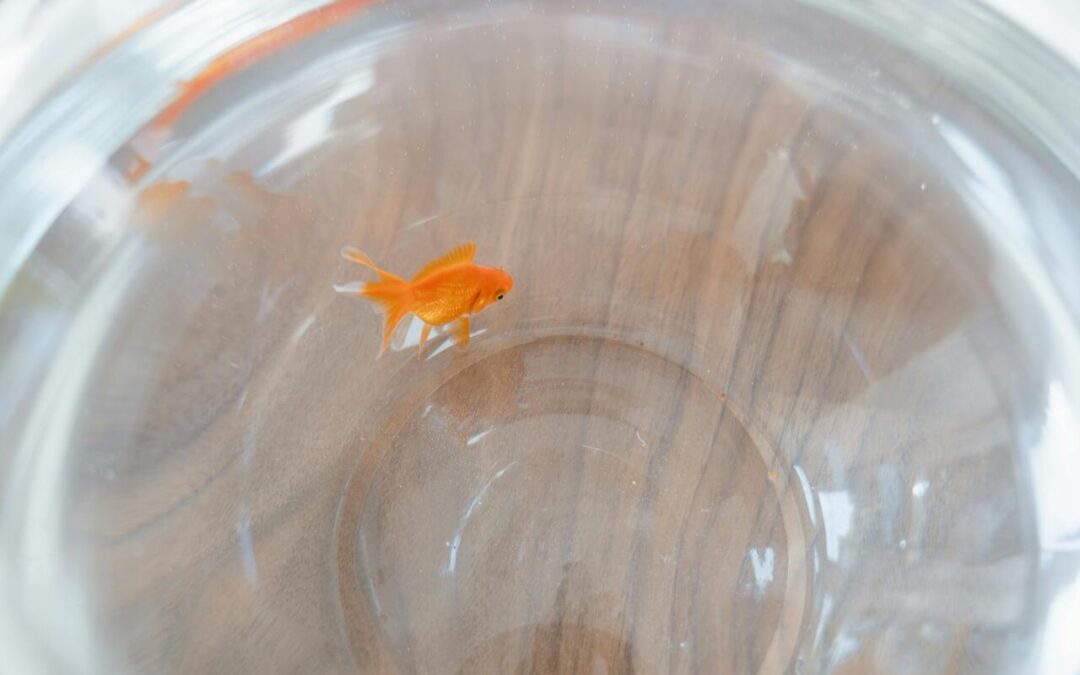
When most people think of goldfish, the image that comes to mind is almost always the same: a small, bright orange fish gliding lazily around a little glass bowl on a kitchen counter. It’s a classic picture, one that’s been around for decades. But if you’ve ever actually cared for a goldfish, you’ll quickly realize there’s much more to the story. Goldfish aren’t just simple, ornamental pets—they’re living creatures with unique needs, quirks, and surprisingly complex biology.
Despite their reputation as “beginner fish,” goldfish are both hardy and delicate at the same time. They can survive in a variety of environments, but that doesn’t mean they’ll thrive in just any setup. Their health and happiness depend heavily on the conditions you provide, and one of the most important factors is water temperature.
Water temperature isn’t just about keeping your fish comfortable. It plays a vital role in how goldfish eat, grow, fight off illness, and even how long they live. Too cold, and their metabolism slows to a crawl. Too warm, and their bodies work overtime, which might make them more active at first but can shorten their lifespan in the long run. And perhaps most importantly, sudden temperature swings—like a tank sitting by a sunny window in the summer or near a drafty door in the winter—can shock their system and be downright dangerous.
That’s why understanding the right water temperature for goldfish is so crucial. The good news? It doesn’t have to be complicated. Once you know the ideal ranges and the basic principles of stability, you can create an environment where your goldfish not only survive but truly flourish.
In this guide, we’ll explore everything you need to know about goldfish and water temperature. We’ll break down the best ranges for different types of goldfish, explain why stability matters more than chasing a “perfect” number, and share tips on how to avoid common mistakes. Along the way, we’ll also sprinkle in some fascinating facts that might just change the way you look at these beautiful, misunderstood little fish.
Whether you’re setting up your very first tank or you’ve been keeping goldfish for years, this guide will help you provide the safe, stable conditions they need to live long, healthy, and happy lives.
Why Water Temperature Matters for Goldfish
Goldfish are cold-water fish, but that doesn’t mean they can survive in any chilly pond or aquarium. Their bodies are ectothermic, meaning their internal processes—like digestion and metabolism—depend heavily on the temperature of their environment.
- Too Cold: If the water dips too low, their metabolism slows, making them lethargic. They may stop eating or digest food poorly, which can lead to digestive issues.
- Too Warm: On the flip side, higher temperatures speed up their metabolism. At first, this might make them more active, but long-term it increases stress, weakens their immune system, and shortens their lifespan.
- Sudden Changes: Perhaps the biggest danger isn’t the number on the thermometer, but rapid fluctuations. Quick swings in water temperature can shock their system and even be fatal.
The Ideal Water Temperature for Goldfish
According other expert sources, the ideal water temperature depends on the type of goldfish you keep:
Common Goldfish (including comets and shubunkins)
- Best range: 60–70°F (15–21°C)
- Tolerance: Can handle cooler water, even dipping into the 50s, especially in outdoor ponds.
These hardy swimmers are more adaptable than their fancy cousins and do well in a wider temperature range.
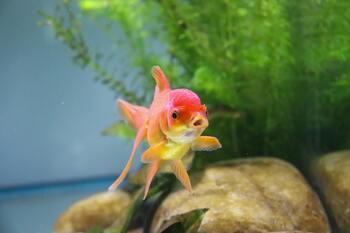
Fancy Goldfish (like orandas, ryukins, and ranchus)
- Best range: 68–74°F (20–23°C)
- Tolerance: Less tolerant of extremes due to their body shape and selective breeding.
Fancies prefer slightly warmer and more stable temperatures, making them better suited for indoor tanks.
Stability Is More Important Than Precision
Goldfish can tolerate a range of temperatures, but they struggle with change. For example, if your tank is stable at 65°F, your fish will be fine. If it suddenly jumps from 65°F to 75°F in a few hours, that’s when problems start.
Tips to maintain stable temperatures:
- Keep the tank away from windows, heaters, or direct sunlight.
- Use an aquarium thermometer to monitor daily fluctuations.
- Consider a heater in winter if your home gets cold, not to raise the temperature too high, but to prevent sudden drops.
Avoiding Dangerous Extremes
While goldfish are resilient, there are certain limits you should avoid:
- Above 80°F (27°C): Water this warm stresses goldfish, increases their oxygen needs, and can encourage harmful bacteria to thrive.
- Below 60°F (15°C): Common goldfish may tolerate it, but digestion slows, which can cause bloating or constipation. Fancy varieties should generally be kept warmer.
If your fish live in an outdoor pond, they may naturally experience seasonal changes. In these cases, they can adjust slowly, which is safer than sudden tank shifts.
Do Goldfish Need a Heater?
In many homes, the answer is no. Room temperature often falls right in the ideal range for goldfish. But there are exceptions:
- If your home gets very cold in the winter, a heater can prevent drops below 60°F.
- If you keep fancy goldfish, a heater helps maintain that cozy 68–74°F sweet spot.
- If your tank is near drafty windows or inconsistent heating sources, a heater ensures consistency.
The key is not always to make the water warm, but to keep it stable.
Breeding and Temperature Control
Goldfish breeding often relies on temperature changes to trigger spawning. In nature, they spawn in spring as the water warms after winter.
- To replicate this in an aquarium, lower the water temperature gradually to around 54°F (12°C).
- After a few weeks, slowly raise it back up.
- This simulates seasonal change, encouraging breeding behavior.
Signs Your Goldfish Is Uncomfortable with Temperature
Goldfish can’t tell you if they’re cold or hot, but their behavior gives clues:
- Too cold: Lethargy, resting at the bottom, refusing food.
- Too warm: Gasping at the surface, hyperactive swimming, or signs of stress.
- After a sudden change: Flashing (rubbing against surfaces), clamped fins, or sudden illness.
If you notice these signs, check your thermometer immediately.
Interesting Facts About Goldfish and Water Temperature
Goldfish have been around for centuries, and their relationship with water temperature has shaped everything from their behavior to their breeding habits. Let’s explore some fascinating facts that might surprise you.
1. Goldfish Can Survive in Near-Freezing Water
One of the most amazing things about goldfish is just how hardy they really are. In outdoor ponds, goldfish can survive when the surface of the water freezes, as long as there’s some oxygen exchange. Their bodies naturally slow down, almost entering a state of “hibernation” where they conserve energy.
This adaptation comes from their wild carp ancestors in East Asia, which often lived in lakes and rivers that froze over in winter. But while they can survive freezing conditions, it doesn’t mean it’s healthy to force them into those extremes in a home aquarium.
2. Warmer Water Makes Goldfish Grow Faster (But Shortens Their Life)
If you keep goldfish in slightly warmer water, you may notice they grow quickly. That’s because a higher temperature speeds up their metabolism, which means they eat more, digest faster, and build body mass quicker.
However, there’s a trade-off. A faster metabolism also wears them out sooner. Goldfish kept in consistently warmer water often have shorter lifespans compared to those kept at a stable, moderate temperature. In other words, just like people, a slower pace of life often leads to greater longevity.
3. Goldfish Oxygen Needs Depend on Temperature
Here’s a neat science fact: oxygen dissolves better in cooler water. That means goldfish living in cooler tanks or ponds actually get more oxygen per breath than those in warmer tanks.
At higher temperatures, oxygen levels drop, so your fish may start gasping at the surface if they feel suffocated. That’s why warm-water goldfish tanks need good aeration with air stones or strong filtration.
4. Fancy Goldfish Are More “High Maintenance” Than Commons
While common goldfish are tough and adaptable, fancy goldfish need extra care when it comes to temperature. Their round bodies and compressed organs make them more sensitive to stress, including temperature swings.
For example, a sudden dip to 60°F that might not bother a comet goldfish could cause a fancy oranda to struggle with digestion or immune health. That’s why most aquarists recommend keeping fancy goldfish indoors, where the temperature is easier to control.
5. Temperature Can Influence Goldfish Color
Believe it or not, water temperature can sometimes affect a goldfish’s coloration. Warmer water often enhances brighter orange and red tones, while cooler water can make colors fade or shift toward paler hues.
This doesn’t mean a change in temperature is the only factor—diet and genetics play a much bigger role—but temperature does have a subtle effect on how your goldfish looks.
6. Goldfish Don’t Like Sudden Summer Heat Waves
If you keep your goldfish in an outdoor pond, summer can be tricky. A sudden heat wave can warm up shallow ponds quickly, pushing water above 80°F. Goldfish in these conditions become sluggish and stressed.
Pond keepers often add floating plants like water lilies or create shaded areas to help keep water cooler. Some even install pond fountains or waterfalls, which circulate water and increase oxygen levels.
7. Seasonal Changes Trigger Natural Rhythms
In nature, goldfish (like their carp relatives) are tuned into the seasons. In colder months, their metabolism slows dramatically, and they barely eat. Come spring, as water temperatures rise, they become more active and often begin spawning.
In fact, many breeders rely on this seasonal temperature shift to encourage goldfish to reproduce. Without the change, some goldfish may never enter their natural breeding cycle.
8. Goldfish Can Adapt — But Only Slowly
One of the reasons goldfish are considered hardy is because they can adapt to different water temperatures over time. For example, a goldfish raised in a pond at 60°F may thrive just fine, while another raised in a heated tank at 72°F will also do well.
The catch? These adaptations must be gradual. A sudden transfer from warm to cold (or vice versa) can shock them and sometimes lead to death. Always make adjustments slowly, over several hours or even days.
9. Some Goldfish Have Been Kept in Outdoor Ponds for Decades
In Japan and parts of Europe, there are stories of goldfish living in outdoor ponds for 20 years or more. These fish endure natural seasonal temperature changes, but because the shifts are gradual, they adapt beautifully.
One famous goldfish named “Tish” lived 43 years in a bowl (though bowls aren’t recommended today). He survived partly because his owner always kept him in a stable environment without sudden temperature shocks.
10. Temperature Affects Feeding Habits
If you’ve ever noticed your goldfish refusing food during colder months, don’t panic. At cooler temperatures, their digestion slows, and they simply don’t need as much. In ponds, they can go weeks—or even months—without food during winter.
On the other hand, warmer water makes them hungrier. If you raise the temperature to encourage growth, you’ll need to feed them more often, but this comes with the risk of overfeeding and poor water quality.
Practical Tips for Temperature Management
- Get a reliable thermometer. Digital ones with probes are most accurate.
- Perform gradual water changes. Never add cold tap water directly; it can shock your fish. Instead, match new water to tank temperature.
- Watch room conditions. Aquariums in garages, basements, or sunrooms are more prone to extremes.
- Outdoor ponds need seasonal care. In winter, don’t let the water freeze completely. In summer, provide shade to prevent overheating.
Fun Fact: Goldfish Adapt Over Time
One fascinating thing about goldfish is their adaptability. If kept in an outdoor pond, they naturally slow down in winter, almost entering a hibernation-like state. They may eat little to nothing for months, then perk back up in spring. Indoors, where temperatures are more consistent, they remain active year-round.
FAQs About Goldfish Water Temperature
1. What is the ideal water temperature for goldfish?
For common goldfish, 60–70°F (15–21°C) is best. For fancy goldfish, stick to 68–74°F (20–23°C).
2. Do goldfish need a heater?
Usually, no. Room temperature water is often fine. But in colder homes or for fancy goldfish, a heater can help maintain stability.
3. Can goldfish live in a bowl without temperature control?
It’s not recommended. Bowls fluctuate quickly with room temperature, stressing your fish. A tank with more water volume is much safer.
4. Is it okay if my goldfish water drops into the 50s?
For common goldfish in outdoor ponds, yes, if the change is gradual. For fancy goldfish, keep the temperature a little warmer.
5. Can high water temperatures kill goldfish?
Yes. Water above 80°F (27°C) stresses goldfish, reduces oxygen, and can lead to illness or death.
6. How can I cool down my goldfish tank in summer?
Add a fan across the surface, float frozen water bottles (sealed), or move the tank to a cooler location. Always do this gradually.
7. What happens if the water changes temperature too quickly?
Rapid fluctuations can shock goldfish, weakening their immune system and sometimes causing death. Stability is more important than hitting a perfect number.
Final Thoughts
Goldfish may be hardy, but water temperature is one of the most important factors in keeping them healthy. The ideal range varies slightly depending on the type of goldfish, but the golden rule is stability. Common goldfish do well between 60–70°F, while fancy goldfish prefer 68–74°F. Avoid sudden shifts, prevent extremes, and keep an eye on your tank year-round.
By creating a stable, comfortable environment, you’re not just helping your goldfish survive—you’re giving them the chance to truly thrive for years to come.