When most aquarists hear the word cichlid, they immediately think of freshwater tanks filled with African or South American species. And for good reason—cichlids are overwhelmingly freshwater fish.
But here’s something many hobbyists don’t realize: a few cichlid species can live in brackish or even full saltwater conditions.
So, what exactly is a “saltwater cichlid”? Are they true marine fish? Or something in between?
Let’s clear up the confusion and explore the fascinating world of brackish and salt-tolerant cichlids.
Are There True Saltwater Cichlids?
While most cichlids are freshwater fish, a few species are true, salt-tolerant, or brackish-water species. The most notable include:
- Orange Chromide
- Green Chromide
- Blackchin Tilapia
These fish naturally inhabit estuaries, mangroves, coastal lagoons, and even hypersaline lakes, where freshwater mixes with seawater.
Among them, the Orange Chromide is often considered the closest thing to a “true marine cichlid” regularly kept in aquariums.
Understanding Brackish Water vs. Saltwater
Before diving into species care, let’s define terms:
- Freshwater: 0–0.5 ppt salinity
- Brackish Water:5–30 ppt salinity (mix of fresh and marine water)
- Marine/Saltwater: ~35 ppt salinity
Most “saltwater cichlids” actually thrive in brackish water, not full-strength ocean salt levels. However, some species can adapt to higher salinity when acclimated properly.
The Most Popular Saltwater & Brackish Cichlids
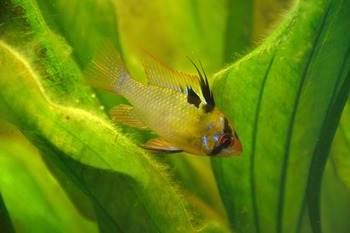
1. Orange Chromide
Often called the jewel of brackish aquariums, this small, bright orange fish is peaceful and social.
Why it’s popular:
- Vibrant orange body with iridescent spots
- Peaceful temperament (rare for cichlids!)
- Can thrive in brackish or full marine setups
- Great for community brackish tanks
They grow to about 3–4 inches and are often kept in groups. Unlike many aggressive freshwater cichlids, Orange Chromides are relatively calm and cooperative.
If you’re looking for a colorful fish that bridges freshwater and saltwater, this is your best bet.
2. Green Chromide
This larger cousin of the Orange Chromide has a greenish-silver body and grows significantly bigger.
Key traits:
- Can reach 12+ inches
- Found in coastal waters and estuaries
- Hardy and adaptable
- Semi-aggressive
Because of their size, Green Chromides require large tanks—at least 75–100 gallons for adults.
3. Blackchin Tilapia
Highly salt-tolerant and found in coastal lagoons, this species can survive in brackish and even hypersaline conditions.
Interesting fact:
Blackchin Tilapia are among the most salt-tolerant cichlids in the world.
They are hardy and adaptable, making them suitable for experienced aquarists exploring brackish systems.
4. Mayan Cichlid
The Mayan Cichlid is extremely adaptable.
- Thrives in freshwater
- Can tolerate brackish
- Sometimes found in full seawater
They are aggressive and territorial, similar to many Central American cichlids.
5. Texas Cichlid
While primarily freshwater, Texas Cichlids have shown remarkable adaptability to brackish environments.
However, they are known for:
- Strong territorial behavior
- Aggressive temperament
- Large adult size
Not ideal for peaceful brackish communities.
The “Poor Man’s Saltwater” Myth
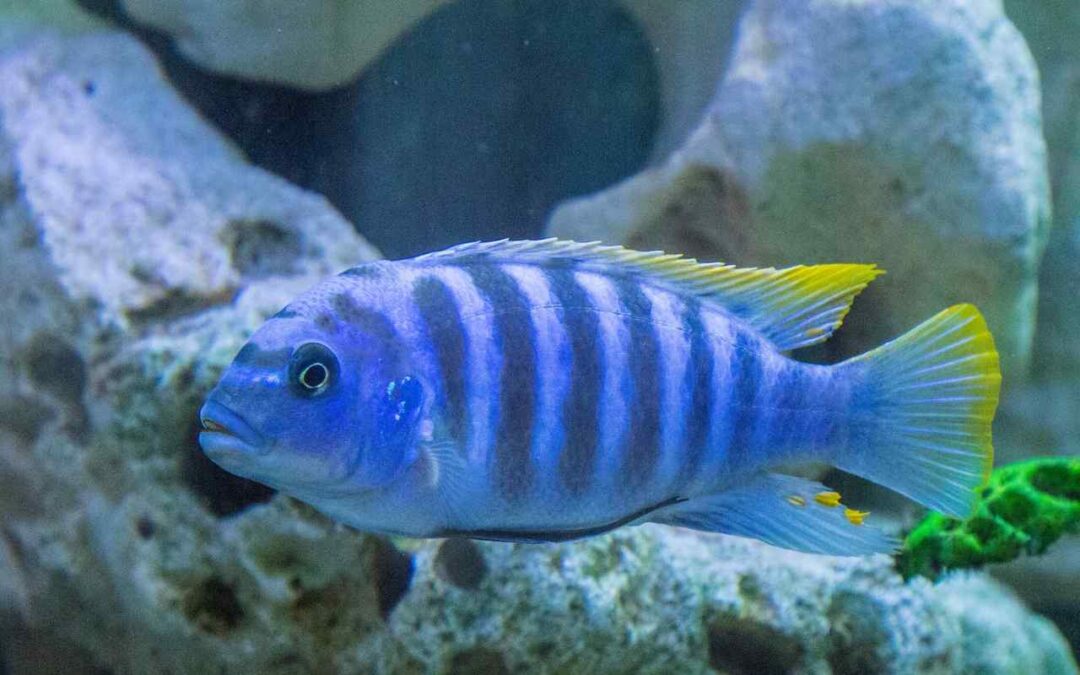
You may have heard African Rift Lake cichlids referred to as “poor man’s saltwater fish.”
This nickname comes from their stunning colors, which resemble marine fish. However, this is a bit misleading.
African cichlids require:
- High pH (7.8–8.6)
- Hard water
- Freshwater conditions
They do not need saltwater. Adding marine salt to their tank can harm them.
So while they look like marine fish, they are strictly freshwater species.
Tank Setup for Saltwater Cichlids
If you’re planning a brackish or marine cichlid tank, here’s what you’ll need.
1. Proper Salinity Control
Use a marine hydrometer or refractometer to measure salinity accurately.
For most brackish cichlids:
- Target specific gravity: 1.005–1.015
Only increase salinity gradually if transitioning to marine levels.
2. Strong Filtration
Cichlids are messy eaters and produce heavy waste.
Use:
- Powerful canister filter
- Biological filtration media
- Weekly water changes (25–30%)
3. Substrate & Decor
For a natural estuary look:
- Sand substrate
- Mangrove-style driftwood
- Hardy brackish plants (if salinity is low)
Avoid sharp decorations. Many cichlids dig and rearrange tanks.
4. Tank Size
Minimum recommendations:
- Orange Chromide group: 30 gallons
- Green Chromide: 75+ gallons
- Mayan/Texas Cichlid: 75–125 gallons
Bigger is always better with territorial fish.
Temperament and Behavior
Even in brackish environments, cichlids behave like… well, cichlids.
Expect:
- Territorial displays
- Pair bonding
- Substrate digging
- Hierarchy formation
Orange Chromides are the exception—they are among the most peaceful cichlids available.
Feeding Saltwater & Brackish Cichlids
These fish are typically omnivores.
Offer:
- High-quality cichlid pellets
- Frozen shrimp
- Spirulina-based foods
- Occasional live foods
Avoid overfeeding—brackish tanks can be more sensitive to water quality shifts.
Why Choose a Saltwater Cichlid?
Many hobbyists love the look of marine aquariums but hesitate because:
- Reef tanks are expensive
- Corals require precise chemistry
- Marine fish can be delicate
Brackish cichlids offer a middle ground.
They provide:
- Vibrant coloration
- Hardy personalities
- Lower maintenance than reef tanks
- Reduced equipment costs
You get the “saltwater vibe” without the extreme complexity.
Common Mistakes to Avoid
- Adding table salt instead of marine salt mix
- Skipping salinity testing
- Mixing incompatible species
- Using freshwater-only filtration setups
- Increasing salinity too quickly
Always acclimate slowly when adjusting salt levels.
Are Saltwater Cichlids Good for Beginners?
It depends.
- Orange Chromide: Yes, with research
- Green Chromide: Intermediate
- Mayan/Texas Cichlids: Advanced
If you’re new to brackish systems, start with Orange Chromides.
FAQs About Saltwater Cichlids
1. Are there true marine cichlids?
Yes, but very few. The Orange Chromide is often considered a true marine-capable cichlid and thrives in brackish or full saltwater aquariums.
2. Can African cichlids live in saltwater?
No. African Rift Lake cichlids require hard, alkaline freshwater—not saltwater.
3. What salinity do brackish cichlids need?
Most thrive between specific gravity 1.005–1.015, depending on species.
4. Are saltwater cichlids aggressive?
Many are territorial and semi-aggressive, similar to freshwater cichlids. Orange Chromides are more peaceful.
5. Can I mix brackish cichlids with marine fish?
Only in carefully planned setups with compatible salinity levels. Research each species thoroughly.
6. Why are they called “poor man’s saltwater fish”?
Because some freshwater African cichlids have bright marine-like colors, though they do not require saltwater.
Final Thoughts
Saltwater cichlids are rare, fascinating, and often misunderstood.
While the vast majority of cichlids are freshwater species, a select few—like the Orange Chromide, Green Chromide, and Blackchin Tilapia—naturally thrive in brackish or even marine environments.
They combine:
- The personality of cichlids
- The aesthetic of marine fish
- The resilience of hardy species
If you want something unique—something that bridges freshwater and saltwater aquariums—a brackish cichlid setup might be exactly what you’re looking for.
Just remember: research the species, monitor salinity carefully, and plan your tank size properly.
With the right setup, saltwater cichlids can become one of the most rewarding and conversation-starting additions to your aquarium hobby.