Aquarium hobbyists are often fascinated by large and powerful freshwater fish. Two species that frequently spark curiosity are the Oscar fish and the Piranha. Both originate from South America and have reputations that make them stand out in the aquarium world. However, despite their shared habitat and impressive size, these fish are extremely incompatible as tank mates.
If you’ve ever wondered about oscar fish vs piranha, the comparison reveals major differences in behavior, temperament, and survival dynamics. While Oscars are intelligent and interactive aquarium pets, piranhas are schooling predators with powerful jaws and razor-sharp teeth.
In this guide, we’ll break down how these fish compare, what would happen if they met, and why keeping them together in an aquarium is widely considered a terrible idea.
Oscar Fish Overview
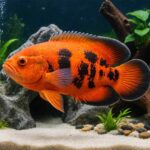
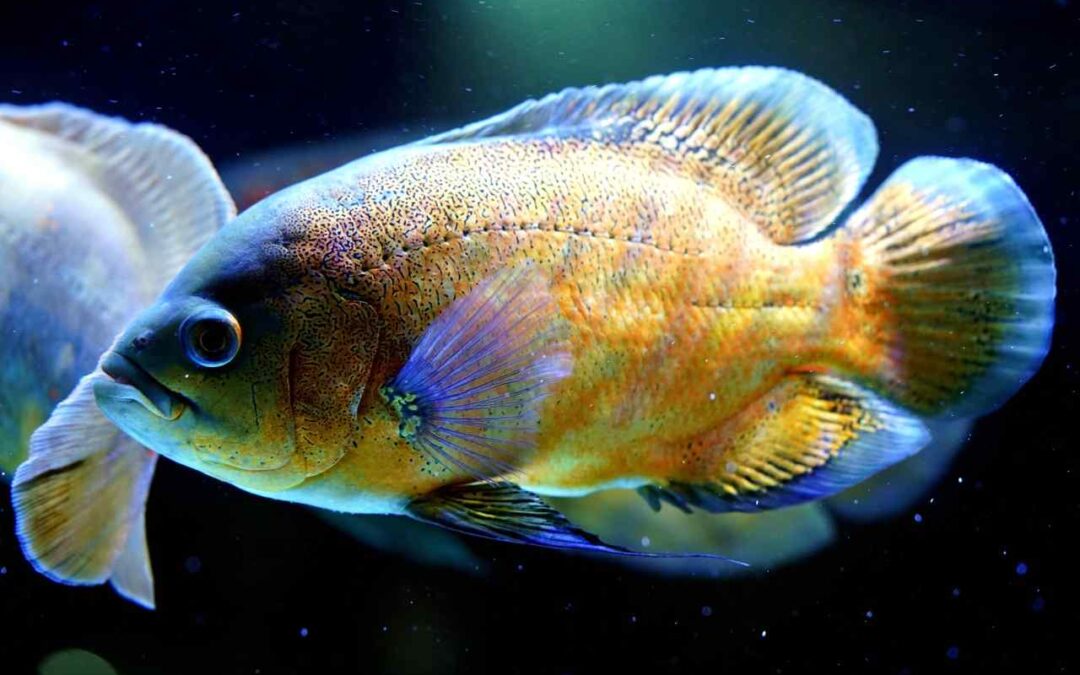
The Oscar fish (Astronotus ocellatus) is one of the most popular large freshwater aquarium fish. Native to the Amazon River basin in South America, Oscars are prized for their personality and intelligence.
Personality and Temperament
Oscar fish are often nicknamed “water dogs.” This nickname comes from their ability to recognize their owners, beg for food, and interact with people outside the tank.
Despite their large size and cichlid lineage, Oscars are not usually hyper-aggressive. They are:
- Territorial around their space
- Curious and interactive
- Sometimes aggressive toward smaller fish
However, compared to true predators, Oscars are relatively peaceful for their size. They may bully smaller fish but are often overpowered by more aggressive species.
Size and Tank Requirements
A full-grown Oscar can reach 10 to 14 inches (25–35 cm) in length. Because of their size and messy eating habits, they require:
- A minimum 55–75 gallon aquarium
- Strong filtration
- Sturdy tank decorations
Oscars are also known for rearranging their tank, digging up substrate, and knocking over decorations.
Piranha Overview
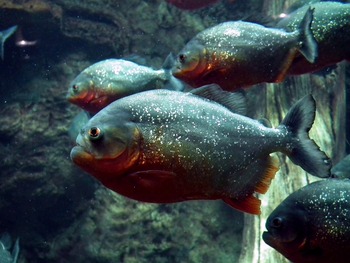
The Piranha belongs to the Serrasalmidae family, a group of fish native to South America that includes several species known for their sharp teeth and carnivorous diet.
Among the most well-known species is the Red-bellied piranha.
Temperament and Behavior
Piranhas have a dramatic reputation thanks to movies and pop culture. While they are not always the mindless killers portrayed in films, they are still powerful predators.
Key traits include:
- Schooling behavior – They feel safer in groups
- Sharp triangular teeth capable of tearing flesh
- Strong feeding instincts
Interestingly, many piranhas are actually timid when not feeding. However, during feeding times or when stressed, they can become extremely aggressive.
Feeding Habits
Piranhas are both scavengers and predators. In the wild, they feed on:
- Fish
- Insects
- Crustaceans
- Carrion
- Occasionally plant matter
Their powerful jaws allow them to remove chunks of flesh quickly, which is why they are so dangerous to other fish.
Oscar Fish vs Piranha: Key Differences
Although both fish come from similar environments, they differ in several important ways.
1. Temperament
The biggest difference between the Oscar fish and the Piranha is their temperament.
Oscar Fish
- Territorial but often calm
- Interactive with owners
- Can be bullied by more aggressive species
Piranhas
- Predatory by nature
- Highly aggressive during feeding
- Safer when kept in groups of their own species
While Oscars may chase smaller fish, they are not built to deal with coordinated predators.
2. Social Behavior
Another major difference is how they behave socially.
Oscars
- Usually kept alone or in pairs
- Can coexist with certain large fish
Piranhas
- Prefer to live in schools
- Become more confident and aggressive in groups
A single piranha might hesitate to attack a large Oscar, but a group almost certainly will.
3. Defensive Ability
Oscars rely mostly on size and intimidation. They lack the specialized weapons that piranhas possess.
Piranhas, on the other hand, have:
- Razor-sharp teeth
- Powerful jaws
- Quick biting behavior
This gives them a massive advantage in any confrontation.
What Happens if an Oscar Meets a Piranha?
Aquarists sometimes ask whether a large Oscar could dominate a piranha. In reality, the outcome depends heavily on numbers.
One-on-One Scenario
In a one-on-one encounter, a large adult Oscar might intimidate a smaller piranha temporarily. Oscars are confident fish and may attempt to defend their territory.
However, this situation rarely lasts long.
Even a single piranha has the ability to inflict serious bites, which can quickly injure an Oscar.
Group Scenario
If multiple piranhas are present, the situation becomes extremely dangerous.
Because piranhas operate in groups:
- They can surround larger fish
- They bite repeatedly
- They cause severe injuries quickly
In most documented cases, piranhas eventually kill or mutilate the Oscar.
This is why experienced aquarists strongly warn against mixing these species.
Why Keeping Them Together Is a Bad Idea
Many aquarium experts describe housing these fish together as an “awful idea.”
Here are the main reasons.
1. Constant Stress
Even if attacks don’t happen immediately, the Oscar will likely experience extreme stress from living near predators.
Stress in fish can cause:
- Loss of appetite
- Weak immune system
- Disease outbreaks
2. High Risk of Injury
Piranhas frequently bite other fish during feeding or territorial disputes.
These bites can lead to:
- Torn fins
- Missing scales
- Deep wounds
Once an Oscar is injured, it becomes even more vulnerable.
3. Feeding Frenzies
Piranhas sometimes enter feeding frenzies, where multiple fish attack rapidly.
If an Oscar is in the same tank during such an event, it could quickly become the target.
4. Completely Different Tank Dynamics
Oscars thrive in tanks designed for:
- Large but manageable cichlids
- Slow-moving companions
- Heavy decor
Piranhas require setups focused on:
- Schools of their own species
- Dim lighting
- Open swimming space
Mixing these setups rarely works.
Can Oscars Ever Live With Piranhas?
In short, no. Even if the fish appear peaceful at first, the risk is always present.
Aquarium compatibility depends on predictable behavior, and piranhas are simply too dangerous.
The safest approach is to keep:
- Oscars with other large but relatively calm fish
- Piranhas with their own species only
This ensures a stable and safe environment.
Choosing the Right Fish for Your Aquarium
Both fish are fascinating in their own ways.
Choose an Oscar if you want:
- A personable fish
- Interactive behavior
- A single “centerpiece” aquarium pet
Choose piranhas if you are interested in:
- Predator fish behavior
- Schooling carnivores
- A more specialized aquarium setup
Just remember that these species belong in separate aquariums.
FAQs About Oscar Fish vs Piranha
Can an Oscar fish defeat a piranha?
In a one-on-one situation, a large Oscar might intimidate a smaller piranha briefly. However, piranhas have stronger biting power and are more dangerous overall.
Why can’t Oscar fish live with piranhas?
Piranhas are predatory fish with sharp teeth and aggressive feeding behavior. They can injure or kill Oscars, especially when kept in groups.
Are piranhas always aggressive?
Surprisingly, many piranhas are actually timid most of the time. However, during feeding or stress, they can become extremely aggressive and dangerous to other fish.
Are Oscar fish aggressive?
Oscars are territorial and may bully smaller fish, but they are generally not aggressive compared to predatory species like piranhas.
What fish can live with Oscars?
Large, robust fish are the best companions for Oscars. Examples include large catfish, certain plecos, and other similarly sized cichlids.
Final Thoughts
When comparing oscar fish vs piranha, the differences are clear. The Oscar fish is an intelligent, personable cichlid that thrives as a centerpiece aquarium fish. The Piranha, meanwhile, is a powerful schooling predator with a reputation backed by sharp teeth and powerful feeding instincts.
While both species are fascinating to observe, they should never share the same tank. The risk of injury, stress, and death is simply too high.
For a healthy aquarium, it’s best to admire each species in its own dedicated setup.