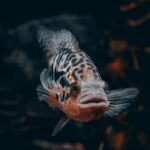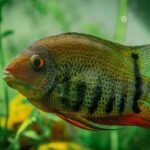
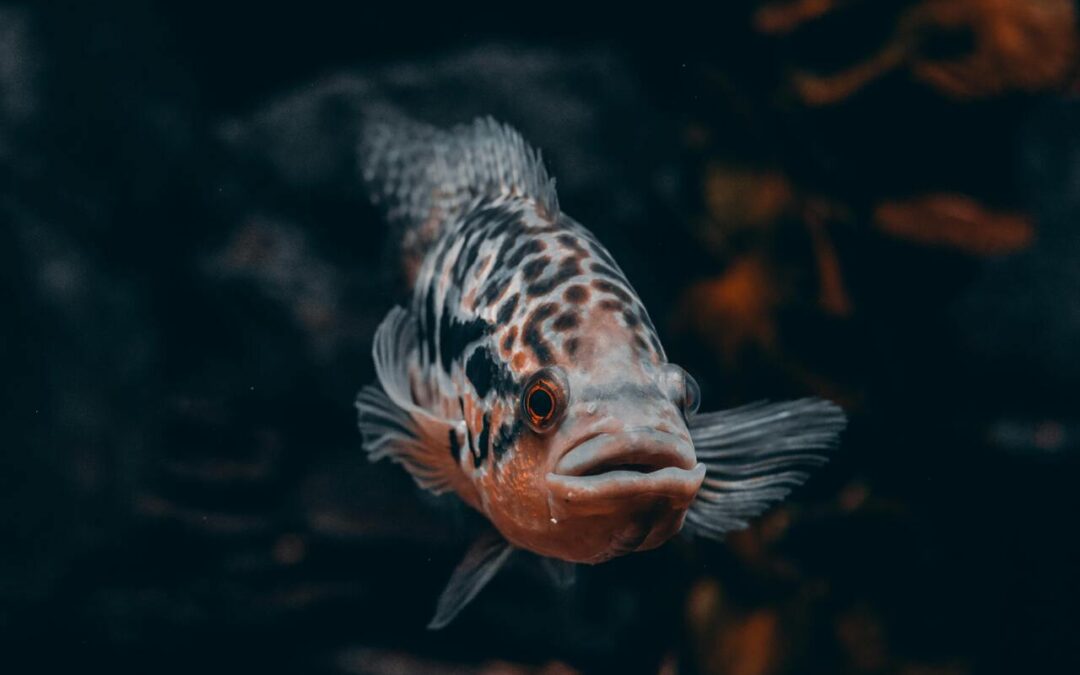
Cichlids are some of the most fascinating freshwater aquarium fish in the hobby. They are intelligent, colorful, and full of personality. However, many aquarists quickly learn that some cichlids can also be extremely aggressive, territorial, and unpredictable.
If you’re wondering what is the most aggressive cichlid, most experts and experienced fish keepers agree that the answer is the Wolf Cichlid (Parachromis dovii). This massive Central American predator is widely regarded as the most aggressive freshwater cichlid due to its brutal territorial behavior, enormous size, and predatory instincts.
In this guide, you’ll learn:
- What makes cichlids aggressive
- Which species are the most dangerous
- Tank size requirements
- Care tips for aggressive cichlids
- Answers to common questions
Why Are Some Cichlids So Aggressive?
Cichlid aggression is rooted in survival instincts. In the wild, these fish must protect territory, compete for food, and defend their young. These instincts don’t disappear in captivity.
Here are the main reasons why cichlids become aggressive:
- Territorial behavior: Many species aggressively defend their personal space.
- Breeding aggression: Protecting eggs and fry triggers intense hostility.
- Predatory instincts: Large cichlids hunt and dominate smaller fish.
- Hierarchy and dominance: Intelligent species establish strict social rankings.
- Limited tank space: Smaller aquariums increase stress and aggression.
While some cichlids adapt well to peaceful setups, others simply cannot live in community tanks.
The Most Aggressive Cichlid: Wolf Cichlid (Parachromis dovii)
The Wolf Cichlid, also called the Dovi, is universally considered the most aggressive cichlid fish in the aquarium hobby. Native to Central America, this species can grow up to 30 inches, making it one of the largest freshwater cichlids in the world.
Why Is the Wolf Cichlid So Aggressive?
- Extremely territorial and dominant
- Highly predatory, capable of killing tank mates
- Exceptionally powerful and destructive
- Highly intelligent and interactive
Many aquarists describe the Wolf Cichlid as both fascinating and terrifying. These fish often destroy decorations, uproot plants, and even damage heaters and filters. Despite recognizing their owners, they remain intensely hostile toward other fish.
Wolf Cichlid Tank Requirements
- Minimum tank size: 125–180+ gallons
- Filtration: Industrial-strength filtration required
- Tank mates: Best kept alone
- Care level: Advanced aquarists only
This species demands large aquariums, durable equipment, and expert-level care.
Other Highly Aggressive Cichlid Species
Although the Wolf Cichlid dominates the aggression scale, several other species are famous for their violent behavior.
Jaguar Cichlid (Parachromis managuensis)
The Jaguar Cichlid is a powerful predator known for its stunning spotted pattern and fierce temperament.
- Grows up to 16–18 inches
- Highly territorial
- Extremely aggressive toward tank mates
- Difficult to pair
This species requires massive tanks and constant monitoring.
Black Nasty / Haitian Cichlid (Nandopsis haitiensis)
Nicknamed the Black Nasty, this fish lives up to its reputation.
- Aggression rivaling the Wolf Cichlid
- Extremely territorial
- Known for violent tank dominance
Despite being slightly smaller than the Dovi, it remains one of the most dangerous cichlids to keep.
Red Devil Cichlid (Amphilophus labiatus)
The Red Devil Cichlid is one of the most popular aggressive cichlids thanks to its intelligence and striking appearance.
- Grows up to 15 inches
- Extremely aggressive
- Highly interactive and intelligent
- Often bullies or kills tank mates
Their personality makes them fun to keep, but their aggression demands caution.
Five Star Jewel Cichlid (Hemichromis elongatus)
Small in size but massive in attitude, this African species is notorious.
- Grows about 6–8 inches
- Extremely aggressive, especially during breeding
- Known for relentless attacks
Do not underestimate this fish based on size alone.
Brazilian Cichlid (Geophagus brasiliensis)
Typically peaceful, Brazilian Cichlids become dangerously aggressive during breeding.
- Violently defends eggs and fry
- Highly territorial during spawning
- Can seriously injure or kill tank mates
Key Considerations When Keeping Aggressive Cichlids
1. Tank Size Is Critical
Most aggressive cichlids require 125 gallons or more. Larger tanks reduce stress, provide swimming space, and limit territorial conflicts.
2. Tank Mates Are Often Not Recommended
Most aggressive species do best in solo setups. If tank mates are attempted, they must be:
- Similar in size
- Equally aggressive
- Closely monitored
Even then, injuries and fatalities are common.
3. Experience Level Matters
Aggressive cichlids are only suitable for advanced aquarists. They require:
- Heavy-duty filtration
- Strong tank materials
- Frequent maintenance
- Careful observation
4. Intelligent but Dangerous Personalities
One reason aquarists love aggressive cichlids is their high intelligence. Many recognize their owners, beg for food, and interact through the glass. However, this intelligence does not reduce their violent instincts.
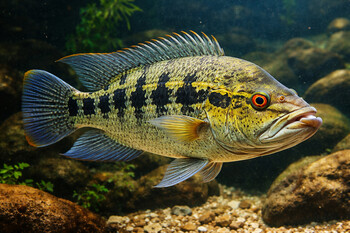
Are Aggressive Cichlids Good Pets?
Aggressive cichlids are not ideal for beginners or casual fish keepers. However, for experienced aquarists, they offer:
- Stunning size and presence
- Interactive behavior
- Unique personality
- Fascinating territorial displays
With proper care, they can become impressive showpiece fish.
Tips to Reduce Aggression in Cichlid Tanks
- Use oversized aquariums
- Provide strong hiding structures
- Avoid overcrowding
- Maintain excellent water quality
- Monitor closely during breeding periods
Frequently Asked Questions (FAQs)
What is the most aggressive cichlid fish?
The Wolf Cichlid (Parachromis dovii) is widely recognized as the most aggressive freshwater cichlid.
Are all cichlids aggressive?
No. Many species, such as angelfish, German blue rams, and apistogrammas, are peaceful when kept in proper conditions.
Can aggressive cichlids live with other fish?
In most cases, no. Aggressive cichlids are best kept alone or with extremely robust, equally aggressive tank mates.
What tank size is required for aggressive cichlids?
A minimum of 125 gallons, though larger species often require 180 gallons or more.
Why are cichlids more aggressive during breeding?
They instinctively protect their eggs and fry, triggering extreme territorial behavior.
Do aggressive cichlids recognize their owners?
Yes. Many aggressive cichlids are highly intelligent and can recognize their owners and feeding routines.
Final Thoughts
When discussing the most aggressive cichlid, the Wolf Cichlid clearly stands above the rest. Its size, power, intelligence, and aggression make it one of the most formidable freshwater aquarium fish in the world.
While these fish are challenging, they are also incredibly rewarding for skilled aquarists. With proper planning, large aquariums, and expert care, aggressive cichlids can become stunning centerpiece fish that command respect and admiration.