
Cichlids are some of the most colorful, intelligent, and personality-packed fish in the aquarium hobby. But one of the most common questions aquarists ask—especially beginners—is surprisingly tricky: how do you tell a male cichlid from a female?
Unlike guppies or bettas, cichlids don’t always make it obvious. In fact, many species look nearly identical when young, and even adults can be confusing. Still, with patience and the right knowledge, you can spot the differences.
This guide breaks down male vs female cichlid differences in a clear, human-friendly way—covering physical traits, behavior, species variation, and the most reliable method used by experienced breeders.
Why Knowing the Sex of Your Cichlid Matters
Understanding whether your cichlid is male or female isn’t just about curiosity. It directly affects:
- Tank aggression (too many males = trouble)
- Breeding plans
- Color expectations
- Social balance in African cichlid tanks
For example, many African cichlid setups aim for one male with multiple females to reduce stress and fighting. Getting the sex wrong can lead to constant chasing, torn fins, or breeding that you weren’t prepared for.
Key Differences Between Male and Female Cichlids
According to common aquarium knowledge and insights reflected, sexing cichlids relies on a mix of physical traits and behavioral clues. No single sign is perfect—but together, they paint a clearer picture.
1. Fin Shape and Length
This is often the first thing hobbyists notice.
- Male cichlids usually have:
- Longer dorsal and anal fins
- Pointed or trailing fin tips
- Female cichlids tend to have:
- Shorter fins
- More rounded edges
This difference becomes clearer as the fish matures. Juveniles often look identical, which is why sexing young cichlids can be frustrating.
👉 Tip: Compare multiple fish of the same species—differences are easier to spot side by side.
2. Coloration and Patterns
Color is one of the most talked-about differences in male vs female cichlids.
- Males are usually:
- Brighter
- More intensely colored
- More patterned during breeding season
- Females are often:
- Duller or more muted
- Designed to blend in for egg protection
That said, this rule isn’t universal. Some species—like jewel cichlids or certain Central American cichlids—have colorful females too. Stress, tank conditions, and hierarchy can also affect color, so don’t rely on this sign alone.
3. Body Size and Shape
In many cichlid species:
- Males grow larger and appear bulkier
- Females stay slightly smaller and rounder
Some species show differences in head shape as well. For example:
- Frontosa cichlids: Mature males develop a large nuchal hump (forehead bump)
- Females usually lack this hump or have a much smaller one
However, size can be misleading in crowded tanks where growth is stunted—or when females are full of eggs and appear larger.
4. Behavior and Personality
Behavior is one of the most useful (and entertaining) clues.
Typical male behaviors:
- Digging pits in the substrate
- Chasing tank mates
- Claiming and defending territory
- Displaying dominance
Typical female behaviors:
- Being less aggressive (though still feisty!)
- Focusing on nesting or egg care
- Avoiding constant fights
During breeding, males often become extremely active—flaring fins, flashing colors, and trying to impress females.
Still, some dominant females can act “male-like,” so behavior should support other signs rather than stand alone.
5. Egg Spots (Ocellae)
Many African cichlids—especially Mbuna and Peacock cichlids—have yellow or orange egg spots on their anal fins.
- Males usually have more egg spots
- Spots may be brighter and more defined
However, females can have egg spots too. This makes egg spots helpful—but not foolproof.
Think of them as a supporting clue, not a final answer.
The Most Reliable Method: Venting (Adults Only)
When accuracy really matters, experienced breeders turn to venting.
What Is Venting?
Venting involves examining the fish’s underside near the anal fin to look at the two openings:
- The anus
- The urogenital opening
Male vs Female Vent Differences
- Male cichlids:
- Two small, similarly sized openings
- Female cichlids:
- One small anus
- One larger genital papilla (used for laying eggs)
This method is considered the most accurate way to sex adult cichlids.
⚠️ Important:
- Only attempt venting on fully grown fish
- Be gentle—stress or injury is possible
- If unsure, ask a professional fish store or breeder
Important Considerations Before You Decide
1. Species Variation Is Huge
Some cichlids show dramatic differences between sexes, while others show almost none.
Examples:
- Peacock cichlids: Easy—males are bright, females dull
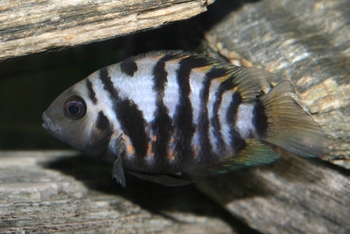
- Convict cichlids: Moderate differences
- Angelfish: Very difficult without venting
Always research your exact species.
2. Juveniles Are Hard to Sex
Young cichlids often:
- Lack color
- Have undeveloped fins
- Show no clear behavior patterns
This is why many fish sold as “pairs” turn out to be two males—or two females.
3. Hybrids Complicate Things
Hybrid cichlids (common in the hobby) may show mixed traits, making sexing even harder. Colors, fin shapes, and egg spots may not follow standard rules.
4. Patience Pays Off
Some males are late bloomers. They may look female for months, then suddenly develop bright colors and long fins once they mature or gain dominance.
Male vs Female Cichlid: Quick Comparison Table
| Trait | Male Cichlid | Female Cichlid |
| Fin shape | Longer, pointed | Shorter, rounded |
| Color | Brighter, bolder | Duller (usually) |
| Size | Larger | Slightly smaller |
| Behavior | Aggressive, territorial | Less aggressive |
| Egg spots | Often present | Sometimes present |
| Venting | Two small openings | One large, one small |
Fun Facts and Extra Insights About Male vs Female Cichlids
One fascinating thing about cichlids is how social hierarchy can temporarily change how males and females look. In African cichlid tanks, a dominant male often shows blazing colors, long fins, and bold behavior. But if that same male loses his dominant status—maybe a larger male is introduced—his colors can fade dramatically, sometimes making him resemble a female. This color-shifting ability helps reduce aggression and avoid constant fights in the wild.
Another interesting fact: female cichlids are often the real MVPs when it comes to parenting. Many species are mouthbrooders, meaning females carry fertilized eggs (and later fry) in their mouths for weeks. During this time, females may barely eat, yet they remain incredibly resilient. That slightly swollen jaw you see? It’s a sign of dedicated fish motherhood.
Male cichlids, on the other hand, are master architects. If you notice one obsessively rearranging sand, digging pits, or moving rocks, congratulations—you may be witnessing a breeding site under construction. Some males will even “decorate” their territory to attract females, much like birds building nests.
Here’s another fun twist: egg spots can confuse females on purpose. In mouthbrooding species, egg spots on the male’s anal fin trick the female into thinking those spots are stray eggs. When she tries to scoop them up, the male releases sperm, fertilizing the eggs already in her mouth. Nature is clever like that.
Lastly, don’t be surprised if your “female” suddenly turns out to be male months later. Many cichlids are late bloomers, and what looks like a shy, dull fish today could become the tank’s most colorful show-off tomorrow. With cichlids, patience isn’t just helpful—it’s part of the fun.
FAQs About Male vs Female Cichlids
1. Can female cichlids be aggressive?
Yes. Females can still be territorial, especially during breeding or when protecting eggs.
2. Are male cichlids always more colorful?
Usually, but not always. Stress, tank hierarchy, and species differences can affect coloration.
3. What is the easiest cichlid to sex?
Peacock cichlids and many Mbuna species are among the easiest due to strong color differences.
4. Can I sex cichlids when they’re young?
It’s very difficult. Most reliable signs appear only after maturity.
5. Is venting safe for cichlids?
When done carefully on adult fish, yes. If you’re unsure, seek help from an experienced aquarist.
6. Do all male cichlids develop head humps?
No. Nuchal humps appear only in certain species and dominant males.
Final Thoughts
Telling male vs female cichlids is part science, part observation, and part patience. Fins, color, size, behavior, and egg spots all offer clues—but venting remains the gold standard for adult fish.
If you’re unsure, don’t rush. Watch your fish grow, interact, and develop their personalities. Over time, the differences often become surprisingly clear—and that’s part of what makes keeping cichlids so rewarding.