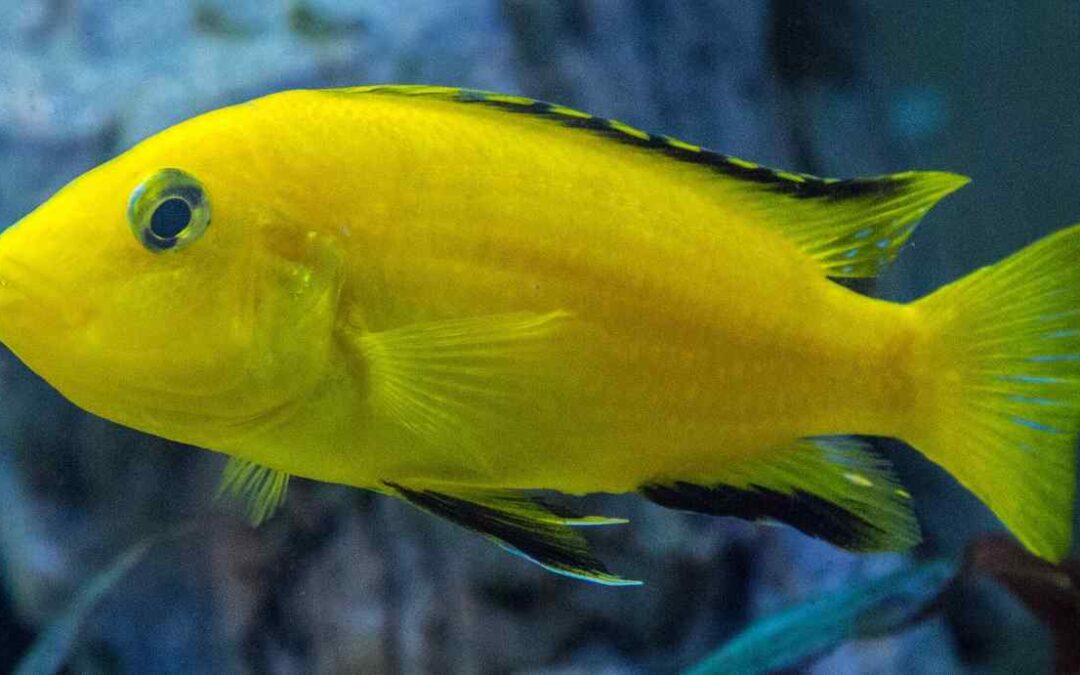
Cichlids are among the most fascinating freshwater fish you can keep in an aquarium. Known for their vibrant colors, unique personalities, and complex behaviors, they’re a favorite among aquarists around the world. But one of the most common questions fish keepers ask is: How long do cichlids live?
According to various fishkeeping sources, the lifespan of a cichlid varies greatly depending on the species. On average, most aquarium cichlids live between 5 and 15 years with proper care. Some smaller species, like Apistogrammas, may live for just 2 to 3 years, while larger and hardier species, like Oscars or African Cichlids, can reach 10 to 15 years or even more.
Let’s take a deeper look into the different lifespans across cichlid types, the factors that influence their longevity, and how you can help your cichlid thrive for many years.
Lifespan by Cichlid Type
Not all cichlids are the same—far from it. The cichlid family includes over 1,300 known species found across Africa, Central and South America, and even parts of Asia. Here’s how long some popular varieties tend to live:
African Cichlids
African cichlids, especially those from Lake Malawi, Tanganyika, and Victoria, are among the most popular aquarium species. With good water quality and diet, they typically live 8 to 10 years, and some can even surpass that.
Their lifespan depends on stable tank conditions and a peaceful tank environment—since many African cichlids are territorial, aggression can shorten their lives if not managed properly.
South American Cichlids
This group includes favorites like Angelfish, Discus, and Oscars.
- Angelfish: Around 8 to 10 years, sometimes longer in large, clean tanks.
- Discus: Known for their delicate nature, live about 10 years with pristine water and careful feeding.
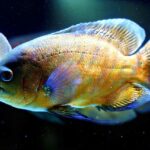
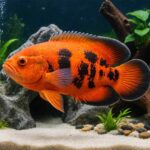
- Oscars: Large, intelligent, and tough—10 to 15 years or even longer in well-maintained tanks. Some have been known to live up to 20 years in captivity.
Dwarf and Apistogramma Cichlids
Dwarf cichlids like Apistogramma species live shorter lives—around 2 to 3 years on average. Their small size and high metabolism mean they live fast and mature early. However, they can still enjoy a full, vibrant life with the right conditions.
Key Factors That Affect a Cichlid’s Lifespan
While genetics plays a part in how long your cichlid lives, environmental and care factors are even more critical. Here are the major elements that determine a cichlid’s lifespan:
1. Species
The most obvious factor is the species itself. Smaller cichlids tend to have shorter lifespans, while larger species—especially those that grow over 6 inches—can live a decade or longer.
2. Water Quality
Cichlids are highly sensitive to poor water conditions. Regular water changes, a stable temperature, and proper pH levels are key to preventing disease and stress.
- Ideal pH:5–8.5 (depending on the species)
- Temperature: 75–82°F (24–28°C)
- Ammonia & Nitrite: Always 0 ppm
Clean, stable water is one of the most important contributors to a long and healthy life.
3. Diet and Nutrition
A cichlid’s diet should mimic what it would eat in the wild. A mix of high-quality pellets, live or frozen foods (like brine shrimp or bloodworms), and occasional veggies ensures balanced nutrition.
Avoid overfeeding—excess food not only pollutes the tank but also leads to obesity and digestive issues.
4. Tank Environment
Cichlids need space to swim, hide, and claim territories. Overcrowding causes aggression and stress, both of which can shorten lifespan.
- Tank size: 30 gallons minimum for small cichlids, 75+ gallons for larger ones like Oscars.
Adding rocks, caves, and plants gives them security and reduces fights.
5. Tank Mates and Social Structure
Compatibility is crucial. Some cichlids thrive in small groups, while others prefer solitude. Mixing aggressive and peaceful types can lead to injuries or death.
Always research compatibility before introducing new fish into your tank.
6. Genetics and Health
Fish from reputable breeders tend to live longer because they’re less likely to carry genetic diseases. Buying healthy, well-bred cichlids gives you a better chance of enjoying them for years.
7. Stress Management
Stress is often an unseen killer. Poor water, loud noises, constant rearranging of the tank, or aggressive tank mates can all cause chronic stress, leading to disease or early death.
How to Help Your Cichlid Live Longer
If you want your cichlids to reach the upper end of their lifespan, here are some tried-and-true tips:
- Perform regular water changes (25–30% weekly) to maintain clean water.
- Test water parameters regularly for ammonia, nitrites, and nitrates.
- Feed a balanced diet—alternate between pellets, live, and frozen foods.
- Provide plenty of hiding spots using rocks, caves, and driftwood.
- Avoid overstocking—give each fish enough space to claim territory.
- Observe their behavior daily—lethargy, hiding, or loss of color can signal stress or illness.
- Quarantine new fish before adding them to your main tank to prevent introducing diseases.
With consistent care, it’s not unusual for cichlids to exceed their average lifespan, rewarding you with years of vibrant color and lively interaction.
Common Signs Your Cichlid Is Aging
Just like people, fish show signs of aging over time. Here’s what to look for as your cichlid grows older:
- Slight fading or dulling of color
- Reduced activity or slower movements
- Thinner body or less frequent feeding
- Spending more time resting near the bottom
These signs are natural, especially after many years of healthy living. Keeping water clean and food nutritious can help them age gracefully.
Fun Fact: Cichlids Are Among the Smartest Aquarium Fish
Many aquarists are surprised to learn that cichlids are highly intelligent. They recognize their owners, display unique personalities, and even develop social hierarchies. This intelligence makes them more interactive—but also means they can become stressed or bored in unstimulating environments.
Adding variety to their surroundings—like rearranging decor occasionally or offering live foods—keeps their minds active and their lives enriched.
The Role of Tank Maintenance in a Cichlid’s Lifespan
One of the most underestimated aspects of keeping cichlids healthy for the long term is consistent tank maintenance. Many fish owners assume that as long as the water looks clear, everything is fine—but cichlids are more sensitive than they appear. Even invisible buildups of ammonia or nitrate can stress their immune systems and shorten their lives.
A good routine involves vacuuming the substrate to remove uneaten food, cleaning filter media monthly, and replacing a portion of the water weekly. Avoid cleaning all parts of the filter at once—this could destroy beneficial bacteria that help keep water chemistry stable. Remember, clean water isn’t just about clarity—it’s about balance.
Importance of Water Parameters
Each cichlid species has its preferred water conditions. For example, African cichlids prefer hard, alkaline water (pH 7.8–8.6), while South American cichlids like Discus and Angelfish thrive in softer, slightly acidic water (pH 6.0–7.0). Matching the environment to their natural habitat can make a huge difference in how long they live.
Inconsistent temperatures or fluctuating pH can cause stress that leads to illness. Investing in a reliable heater, thermometer, and water test kit is one of the best decisions you can make for your fish’s longevity.
Recognizing and Preventing Disease
Cichlids are prone to common aquarium diseases such as ich (white spot disease), fin rot, and bloat. These can significantly reduce their lifespan if not treated promptly. Early detection is key. If you notice your cichlid scratching against decorations, losing color, or refusing food, it’s time to test the water and, if necessary, isolate the sick fish.
Prevention is always better than cure. Quarantining new fish before adding them to your main tank prevents introducing parasites or bacteria. A balanced diet with vitamins and probiotics also helps boost their immune system.
Environmental Enrichment and Social Behavior
Cichlids are naturally curious and social, which means they thrive in tanks that stimulate their instincts. Providing territories, hiding spaces, and visual barriers helps mimic their natural environment. You can also rearrange tank decor occasionally to reduce aggression and give them new areas to explore.
Interestingly, many aquarists find that when their cichlids are mentally stimulated—through interaction, new tank setups, or feeding variations—they seem more active and vibrant, and even live longer.
Just like any pet, cichlids benefit from consistent, thoughtful care. By combining stable water conditions, proper nutrition, and mental enrichment, you’ll be rewarded with healthy fish that live long, fulfilling lives—often well beyond the averages seen in the wild.
FAQs About Cichlid Lifespan
1. What is the average lifespan of a cichlid?
Most cichlids live between 5 and 15 years, depending on species, care, and tank conditions.
2. Which cichlids live the longest?
Large species like Oscars and Discus tend to live the longest—up to 15 years or more with proper care.
3. Why do my cichlids die early?
Early deaths are often caused by poor water quality, stress, or overfeeding. Regular maintenance and compatible tank mates are key to longevity.
4. Can cichlids live 20 years?
Yes, though it’s rare. Some well-cared-for Oscars and large African cichlids have reached 15–20 years in captivity.
5. How can I help my cichlid live longer?
Maintain stable water conditions, offer a balanced diet, avoid overcrowding, and keep stress to a minimum.
Final Thoughts
The lifespan of a cichlid depends on many factors, but with proper care, many species can live well beyond their average expectancy. Whether you’re caring for a small Apistogramma or a majestic Oscar, your attention to water quality, diet, and environment will determine how long and how happily they live.
Cichlids reward good care with beauty, personality, and years of companionship—making them one of the most fulfilling fish to keep.