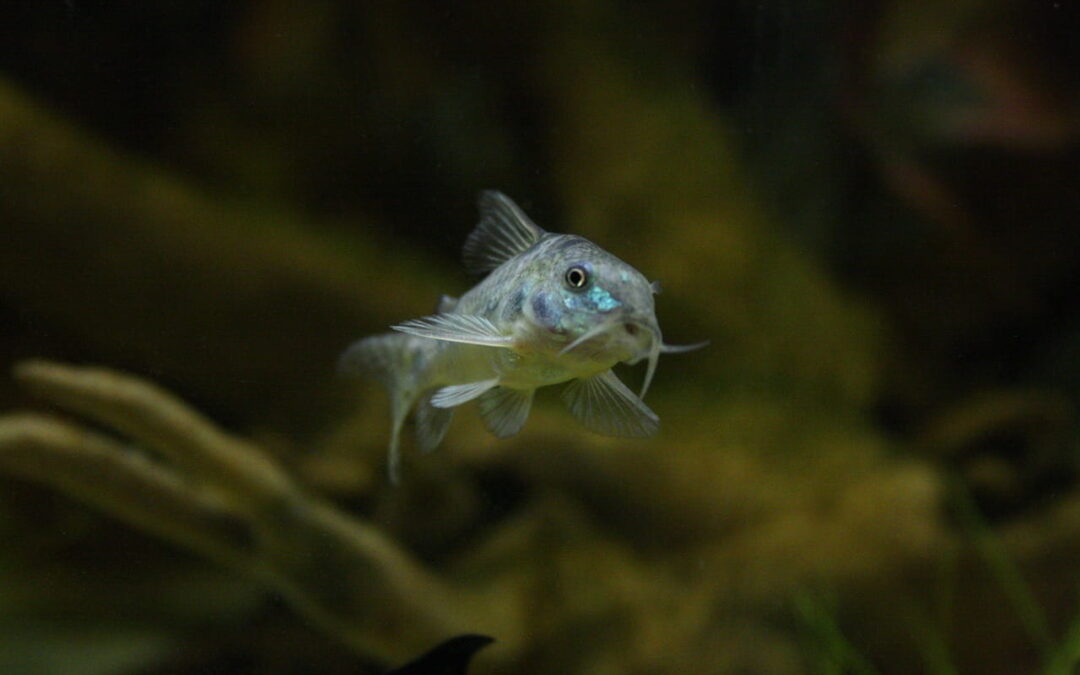
Breeding corydoras catfish is one of the most rewarding experiences in the freshwater aquarium hobby. These peaceful, armored bottom-dwellers are not only adorable but also surprisingly cooperative breeders once you understand their natural triggers. While corydoras spawning can seem mysterious at first, the process becomes very manageable when broken into clear steps: conditioning the adults, triggering spawning, caring for eggs, and raising healthy fry.
In this guide, you’ll learn how to breed corydoras using proven methods commonly highlighted and trusted by experienced breeders worldwide—all explained in a practical, human-friendly way.
Understanding Corydoras Breeding Behavior
Corydoras come from South American rivers and floodplains, where seasonal rains signal breeding time. In aquariums, we recreate these natural cues. Most species—such as Corydoras paleatus, Corydoras aeneus, and Corydoras sterbai—breed using similar patterns, making these techniques widely applicable.
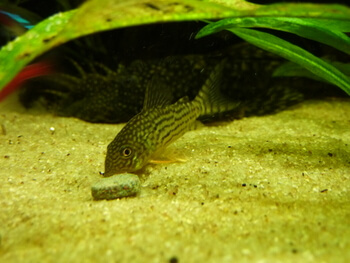
One important thing to know upfront: corydoras are group spawners. Keeping only a pair often results in failure. The magic happens when they feel safe, well-fed, and stimulated by environmental changes.
1. Setup and Conditioning the Breeding Group
Tank Setup
You don’t need a fancy aquascape to breed corydoras. In fact, many breeders prefer simple setups:
- Tank size: 10–20 gallons for breeding
- Filtration: Sponge filter (gentle, fry-safe, creates flow)
- Decor: Plants, spawning mops, or smooth glass surfaces
- Lighting: Moderate to dim
- Substrate: Bare-bottom tanks are easier for egg collection
Some breeders even use plastic storage bins for breeding because they’re dark, quiet, and free of snails that eat eggs.
Group Size and Sex Ratio
- Keep 5–20 adult corydoras
- Females are noticeably larger and plumper, especially when full of eggs
- Males are slimmer and more active during courtship
A larger group increases competition and dramatically improves spawning success.
Conditioning with High-Protein Foods
Conditioning is the foundation of successful breeding. For 1–2 weeks, feed rich, protein-heavy foods:
- Live or frozen bloodworms
- Blackworms
- Brine shrimp
- High-quality sinking pellets
This diet fattens females with eggs and boosts male fertility. Well-conditioned corydoras behave more confidently and spawn more readily.
2. Triggering Spawning: The Famous “Rainstorm” Method
Once your fish are well-fed and active, it’s time to trigger spawning by simulating the rainy season.
Large Cool Water Change
- Perform a 40–50% water change
- New water should be 5–8°F (3–4°C) cooler
- Use dechlorinated water only
This temperature drop mimics rainfall entering rivers, which is one of the strongest natural breeding cues for corydoras.
Increase Water Flow and Oxygen
- Add extra airstones
- Increase sponge filter output or use a small powerhead
Rainstorms mean faster-moving, oxygen-rich water—and corydoras respond quickly to this change.
Timing and Barometric Pressure
Many breeders notice better success when performing water changes before or during natural storms. Falling barometric pressure appears to stimulate spawning behavior, though this isn’t strictly required.
3. The Spawning Process Explained
Once triggered, things happen fast.
The T-Position
You’ll see males chasing females energetically. Eventually, they form the classic “T-position”:
- The male positions himself perpendicular to the female
- He releases sperm
- The female collects fertilized eggs between her pelvic fins
Egg Laying
The female swims off and carefully attaches sticky eggs to:
- Aquarium glass
- Plant leaves
- Spawning mops
- Filter tubing
She may lay 50–200 eggs in a single session, depending on species and size.
Harvesting the Eggs
Eggs should be collected as soon as possible to prevent:
- Parents eating them
- Fungus spreading
Healthy corydoras eggs are translucent or slightly beige. White eggs are infertile and should be removed.
You can gently:
- Scrape eggs off glass with a finger or credit card
- Snip plant leaves holding eggs
- Lift spawning mops into an incubation container
4. Egg Incubation and Fungus Prevention
Incubation Container
Place eggs in:
- A breeder box
- Small aquarium
- Jar or plastic container
Add:
- Gentle airflow from an air stone
- Same water parameters as the breeding tank
Preventing Fungus
Corydoras eggs are prone to fungus, which can spread rapidly.
Common methods include:
- Methylene blue: 1–2 drops per container
- Indian almond leaves: Natural antifungal properties
Remove any white or fuzzy eggs daily to protect healthy ones.
Hatching Time
- Eggs typically hatch in 3–5 days
- Fry remain motionless for another 24–48 hours while absorbing their yolk sacs
5. Raising Corydoras Fry Successfully
First Foods
Once fry become free-swimming, feeding becomes critical.
Best starter foods:
- Baby brine shrimp (ideal)
- Microworms
- Commercial liquid fry food (less effective)
Feed small amounts 2–4 times daily. Clean water is just as important as food.
Grow-Out Tank
As fry grow:
- Move them to a cycled grow-out tank
- Use sponge filtration
- Perform frequent small water changes (10–20%)
Avoid strong currents, and ensure excellent water quality to prevent losses.
Growth Timeline
- Week 1: Fry are tiny and fragile
- Week 3–4: Begin resembling miniature corydoras
- Month 2+: Ready for larger foods and rehoming
Common Mistakes to Avoid
- Keeping too few adults
- Skipping conditioning
- Not removing eggs promptly
- Overfeeding fry and fouling water
- Using strong filters that suck up fry
Patience and observation go a long way when breeding corydoras.
Advanced Tips for More Consistent Corydoras Breeding Success
Once you’ve successfully bred corydoras once or twice, you may notice that some spawns thrive while others fail for no obvious reason. This is normal. Even experienced breeders refine their methods over time. A few advanced tweaks can significantly improve consistency and fry survival.
Fine-Tuning Water Parameters
While corydoras are adaptable, breeding improves when water closely resembles their natural habitat:
- pH: Slightly acidic to neutral (6.5–7.2)
- Hardness: Soft to moderately soft water
- Nitrates: As close to zero as possible
Using RO or rainwater mixed with tap water often produces stronger spawning responses, especially for more sensitive species like Corydoras sterbai or Corydoras panda.
Darker Environments Encourage Spawning
Corydoras feel safer in low-light conditions. Dim lighting, dark substrates, or even blacked-out tank sides can reduce stress and increase breeding activity. This is one reason plastic tubs and bare tanks often outperform decorated display aquariums when breeding.
Daily Small Water Changes for Fry
While large water changes trigger spawning, small daily water changes (5–10%) are better for fry. They remove waste without shocking delicate juveniles and help prevent stunted growth.
Fun and Fascinating Corydoras Breeding Facts
1. Corydoras “Talk” During Spawning
Corydoras are famous for producing clicking sounds using their pectoral fins. During breeding season, these sounds often increase and may play a role in communication or excitement during courtship.
2. Not All Eggs Are Laid at Once
Unlike many fish, female corydoras lay eggs in small batches, carefully selecting locations with good water flow. This strategy reduces the risk of all eggs being lost to fungus or predators in the wild.
3. Some Species Prefer Vertical Surfaces
Many corydoras strongly prefer laying eggs on vertical glass surfaces, especially near filter output. Don’t be surprised if your plants are ignored while the tank walls are covered in eggs.
4. Corydoras Fry Learn to School Early
Even as tiny fry, corydoras instinctively group together. This schooling behavior improves survival and becomes more obvious as they grow into miniature versions of adults.
5. One Spawn Can Lead to Future Spawns
Once a group successfully spawns, they often repeat the process every few weeks if kept well-fed and maintained with regular water changes. Many breeders end up with more fry than expected after just one successful trigger.
Species Differences Worth Knowing
While most corydoras follow the same general breeding pattern, there are small differences:
- Bronze and Peppered Corydoras: Extremely easy and ideal for beginners
- Panda Corydoras: Slightly more sensitive; prefer cooler water
- Sterbai Corydoras: Thrive in warmer water but need excellent oxygenation
- Dwarf Corydoras (pygmaeus, habrosus): Lay fewer eggs but breed more frequently
Understanding your species’ preferences helps you adjust conditions more precisely.
Why Breeding Corydoras Is So Rewarding
Breeding corydoras isn’t just about producing fry—it deepens your understanding of fish behavior. Watching the T-position, seeing eggs appear overnight, and raising tiny fry into healthy adults creates a strong connection between aquarist and aquarium.
It also promotes ethical fishkeeping. Home-bred corydoras are often healthier, less stressed, and better adapted to aquarium life than wild-caught specimens.
FAQs About How to Breed Corydoras
How hard is it to breed corydoras?
Corydoras are considered moderately easy to breed once you understand conditioning and spawning triggers. Many beginners succeed on their first try.
Do corydoras eat their eggs?
Yes. Corydoras do not provide parental care and will eat eggs if given the chance. Egg removal is highly recommended.
How many eggs do corydoras lay?
Depending on species and size, a female may lay 50 to over 200 eggs per spawning.
Do I need a separate breeding tank?
Not strictly, but using a separate breeding or incubation tank greatly improves survival rates for eggs and fry.
What temperature is best for breeding corydoras?
Most species spawn well around 72–76°F (22–24°C), with a temporary drop during the rainstorm trigger.
How long does it take for corydoras eggs to hatch?
Eggs usually hatch within 3 to 5 days, depending on temperature and species.
Final Thoughts
Learning how to breed corydoras is about understanding nature and recreating it in a controlled environment. With proper conditioning, a well-timed “rainstorm,” careful egg handling, and attentive fry care, these charming catfish will reward you with successful spawns time and time again.
Once you experience your first batch of tiny cory fry scooting along the tank bottom, you’ll understand why so many aquarists fall in love with breeding these peaceful little fish.