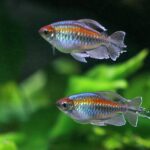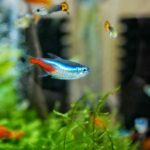
Tetra fish are among the most popular freshwater aquarium species—and for good reason. They’re colorful, peaceful, and relatively easy to care for. But when it comes to feeding them, many fishkeepers—especially beginners—ask the same question: How often should you feed tetra fish?
The answer is simple, but getting it right is incredibly important for your fish’s health and your tank’s overall balance.
How Often Should You Feed Tetra Fish?
As highlighted in many aquarium care guides, tetra fish should generally be fed once or twice a day. The key is not just frequency, but portion size and consistency.
A good rule of thumb:
👉 Feed only as much as your tetras can eat within 1–2 minutes
This ensures they get enough nutrition without leaving excess food to pollute the water.
Why Feeding Frequency Matters
Tetras are small fish with fast metabolisms, but they also have tiny stomachs. Overfeeding doesn’t make them healthier—it actually does the opposite.
Overfeeding Risks
- Poor water quality due to uneaten food
- Ammonia spikes that can harm or kill fish
- Increased algae growth
- Digestive issues in fish
Underfeeding Risks
- Weak immune system
- Faded colors
- Slower growth
- Increased aggression or stress
Finding the balance is the goal—and that’s where proper feeding habits come in.
The Ideal Feeding Schedule
Here’s a simple feeding routine you can follow:
Option 1: Once a Day
- Best for busy fishkeepers
- Feed in the morning, when fish are most active
- Slightly larger portion (still within the 1–2 minute rule)
Option 2: Twice a Day (Recommended)
- Morning feeding
- Evening feeding
- Smaller portions each time
This mimics their natural feeding pattern in the wild, where they eat small amounts throughout the day.
How Much Should You Feed?
Portion control is everything when feeding tetra fish.
Best Practice:
- Sprinkle a small pinch of food
- Watch your fish closely
- Stop adding food once they slow down
If food starts sinking to the bottom uneaten, that’s a clear sign you’ve fed too much.
💡 Tip: It’s better to slightly underfeed than overfeed. Tetras can handle mild hunger better than poor water conditions.
Best Types of Food for Tetras
Tetras thrive on a varied diet, which helps improve their color, energy, and overall health.
1. High-Quality Flakes
- Staple food for daily feeding
- Easy to eat and widely available
2. Micro-Pellets
- Nutrient-dense
- Great for slightly larger tetra species
3. Frozen or Live Foods
Offer these a few times a week:
- Brine shrimp
- Daphnia
- Bloodworms
These protein-rich foods mimic their natural diet and boost vitality.
4. Freeze-Dried Foods
- Convenient alternative to live foods
- Feed occasionally, not daily
Why Variety Is Important
Feeding the same food every day can lead to nutritional deficiencies. Just like humans, fish need a mix of nutrients.
A varied diet:
- Enhances coloration
- Supports immune health
- Encourages natural behavior
Try rotating foods throughout the week instead of sticking to just one type.
Observing Your Fish During Feeding
Feeding time is also a great opportunity to check on your fish’s health.
What to Look For:
- Are all fish eating?
- Is anyone being bullied away from food?
- Are there leftovers sinking to the bottom?
Healthy tetras are active, quick to eat, and display bright colors. If you notice changes, feeding behavior can often be an early warning sign.
Feeding in Community Tanks
Tetras are often kept in community aquariums with other fish. This can make feeding a bit tricky.
Tips:
- Spread food across the surface so all fish get a chance
- Use sinking and floating foods if needed
- Observe shy or smaller fish to ensure they’re eating
Competition for food can lead to some fish being underfed, so always monitor closely.
What About Feeding While on Vacation?
Good news—tetras are more resilient than you might think.
If You’re Away:
- Healthy adult tetras can go 1–2 days without food easily
- In well-established, planted tanks, they may even last longer
Options:
- Ask someone to feed them (with clear instructions)
- Use automatic feeders (test them first!)
- Avoid overfeeding “just in case” before leaving
Overfeeding before a trip can do more harm than skipping a meal.
Common Feeding Mistakes to Avoid
Even experienced fishkeepers can slip up. Here are some common mistakes:
1. Overfeeding
The #1 problem in aquariums. It leads to dirty water and sick fish.
2. Feeding Too Quickly
Dumping food without observing leads to waste and uneven feeding.
3. Ignoring Variety
A monotonous diet can weaken fish over time.
4. Not Adjusting Portions
As fish grow or tank populations change, feeding amounts should too.
How Feeding Affects Water Quality
Feeding and water quality go hand in hand. Uneaten food breaks down into harmful substances like ammonia and nitrites.
To Maintain Clean Water:
- Feed small portions
- Remove uneaten food if necessary
- Perform regular water changes
Remember: a clean tank is just as important as proper nutrition.
Understanding Tetra Feeding Behavior in the Wild
To truly master feeding your tetras, it helps to understand where they come from. Most tetra species originate from rivers and streams in South America and Africa, where food is not always abundant in large quantities.
Instead of big meals, they naturally:
- Graze on tiny insects and larvae
- Pick at plant matter
- Eat small crustaceans like zooplankton
This means your aquarium feeding routine should mimic this natural pattern—small, frequent meals rather than large portions.
💡 Interesting fact: In the wild, tetras rarely experience “full meals.” They are opportunistic feeders, constantly nibbling when food is available.
The Science Behind “1–2 Minutes Feeding Rule”
You’ll often hear that fish should eat everything within 1–2 minutes—but why exactly?
This guideline exists because:
- Fish don’t have a strong “stop eating” instinct
- Extra food quickly sinks and decomposes
- Decomposition releases ammonia, which is toxic
In a closed aquarium system, unlike rivers, waste doesn’t just wash away. That’s why controlled feeding is essential.
Think of it this way:
👉 Feeding more doesn’t feed your fish—it feeds your tank’s waste system.
Morning vs Evening Feeding: Does It Matter?
You might wonder whether timing really affects your fish. The short answer: yes, a little—but consistency matters more.
Morning Feeding Benefits:
- Fish are naturally more active
- Helps establish a daily rhythm
- Easier to observe fish behavior
Evening Feeding Benefits:
- Allows a second energy boost
- Good for community tanks with shy fish
- Helps ensure all fish get food
Best Approach:
If feeding twice daily, aim for:
- Morning (after lights turn on)
- Evening (a few hours before lights off)
Avoid feeding right after turning lights on or off, as fish may still be adjusting.
Feeding Different Types of Tetras
Not all tetras are exactly the same. While general rules apply, some species have slightly different preferences.
Small Tetras (e.g., Neon, Ember)
- Prefer very fine flakes or crushed food
- Eat quickly but in tiny bites
- May struggle with large pellets
Medium Tetras (e.g., Black Skirt, Serpae)
- Can handle micro-pellets
- Slightly more aggressive eaters
- Benefit from protein-rich foods
Bottom-Inclined Tetras
Some species may occasionally pick food from mid or lower levels, so:
- Use slow-sinking food occasionally
- Ensure variety in feeding zones
The Role of Fasting Days
Here’s something many beginners don’t realize: Skipping a feeding day can actually be beneficial.
Why Fasting Helps:
- Allows fish to fully digest food
- Reduces waste buildup
- Mimics natural food scarcity
Recommended Approach:
- Skip feeding once a week
- Only for healthy adult fish
This simple habit can improve water quality and reduce the risk of bloating.
Signs Your Tetras Are Well-Fed
How do you know you’re doing it right? Your fish will tell you.
Healthy Signs:
- Bright, vibrant colors
- Active swimming and schooling
- Quick response during feeding
- Smooth, rounded (not bloated) bodies
Warning Signs:
- Lethargy or hiding
- Pale or faded colors
- Uneaten food accumulating
- Swollen bellies (overfeeding)
Observation is one of the most powerful tools in fishkeeping.
Feeding and Fish Hierarchy
Even peaceful fish like tetras have subtle social dynamics.
During feeding:
- Dominant fish may eat first
- Shy fish may hang back
- Some individuals may get less food
How to Fix This:
- Spread food across the tank
- Feed in multiple spots
- Use a mix of floating and sinking food
This ensures every fish gets its fair share.
How Tank Setup Affects Feeding
Your aquarium environment plays a big role in feeding efficiency.
In Planted Tanks:
- Fish may snack on microorganisms between meals
- You can feed slightly less
In Bare Tanks:
- No natural food sources
- Feeding must be more consistent
With Strong Filtration:
- Food may get sucked in quickly
- Feed in calmer areas of the tank
Adjust your feeding style based on your setup.
Interesting Facts About Tetra Digestion
Tetras have relatively simple digestive systems, which is why feeding habits matter so much.
- They lack a true stomach like mammals
- Food passes quickly through their system
- Overfeeding can lead to internal stress
💡 Fun fact: Because of their fast digestion, tetras convert food into energy quickly—but also produce waste just as fast.
The Impact of Temperature on Feeding
Water temperature directly affects how often your tetras should eat.
Warmer Water (24–28°C / 75–82°F):
- Faster metabolism
- Fish eat more frequently
Cooler Water:
- Slower digestion
- Fish require less food
If your tank temperature drops, slightly reduce feeding to avoid waste buildup.
Feeding Tetras in New Tanks
If you’ve just set up an aquarium, feeding should be done carefully.
Why?
New tanks don’t yet have stable beneficial bacteria to process waste.
Best Practice:
- Feed lightly during the first few weeks
- Monitor ammonia and nitrite levels
- Gradually increase feeding as the tank stabilizes
Overfeeding in a new tank is one of the fastest ways to cause problems.
Using Automatic Feeders: Are They Worth It?
Automatic feeders can be helpful, especially for busy schedules or vacations.
Pros:
- Consistent feeding times
- Convenient for travel
- Reduces human error
Cons:
- Can malfunction or overfeed
- Needs proper setup and testing
💡 Tip: Always test your feeder for a few days before relying on it.
Enhancing Color Through Feeding
Want your tetras to look more vibrant? Diet plays a big role.
Color-Enhancing Foods:
- Foods rich in carotenoids
- Brine shrimp
- Specialized color flakes
These nutrients help bring out reds, blues, and other vivid tones.
The Link Between Feeding and Lifespan
Proper feeding doesn’t just keep your fish alive—it helps them thrive longer.
Well-Fed (Properly) Tetras:
- Live longer (often 3–5 years or more)
- Show better coloration
- Have stronger immunity
Poor Feeding Habits:
- Shortened lifespan
- Increased disease risk
- Stress-related issues
Feeding is one of the biggest factors in long-term fish health.
Final Thoughts
So, how often should you feed tetra fish? The answer is simple: once or twice daily, in small amounts they can finish within 1–2 minutes.
But beyond that, successful feeding comes down to consistency, observation, and balance. Provide a varied diet, watch your fish closely, and avoid the temptation to overfeed.
Healthy tetras are active, colorful, and a joy to watch—and proper feeding plays a huge role in keeping them that way.
FAQs
1. Can I feed tetra fish only once a day?
Yes, feeding once a day is perfectly fine as long as you provide enough food within the proper portion limits.
2. Is it better to feed tetras once or twice daily?
Twice daily is ideal because it mimics their natural feeding habits and provides steady nutrition.
3. How do I know if I’m overfeeding my tetras?
If food sinks uneaten or your water becomes cloudy, you’re likely feeding too much.
4. Can tetra fish go without food for a few days?
Yes, healthy adult tetras can survive 1–2 days without food, especially in established tanks.
5. What is the best food for tetra fish?
A mix of high-quality flakes, micro-pellets, and occasional live or frozen foods like brine shrimp or daphnia.
6. Should I feed tetras at the same time every day?
Yes, maintaining a consistent schedule helps reduce stress and promotes healthy feeding behavior.
7. Do baby tetras need more frequent feeding?
Yes, fry (baby fish) require smaller, more frequent meals—usually 3–4 times a day.
If you stick to these simple feeding principles, your tetra fish will stay healthy, vibrant, and full of life.