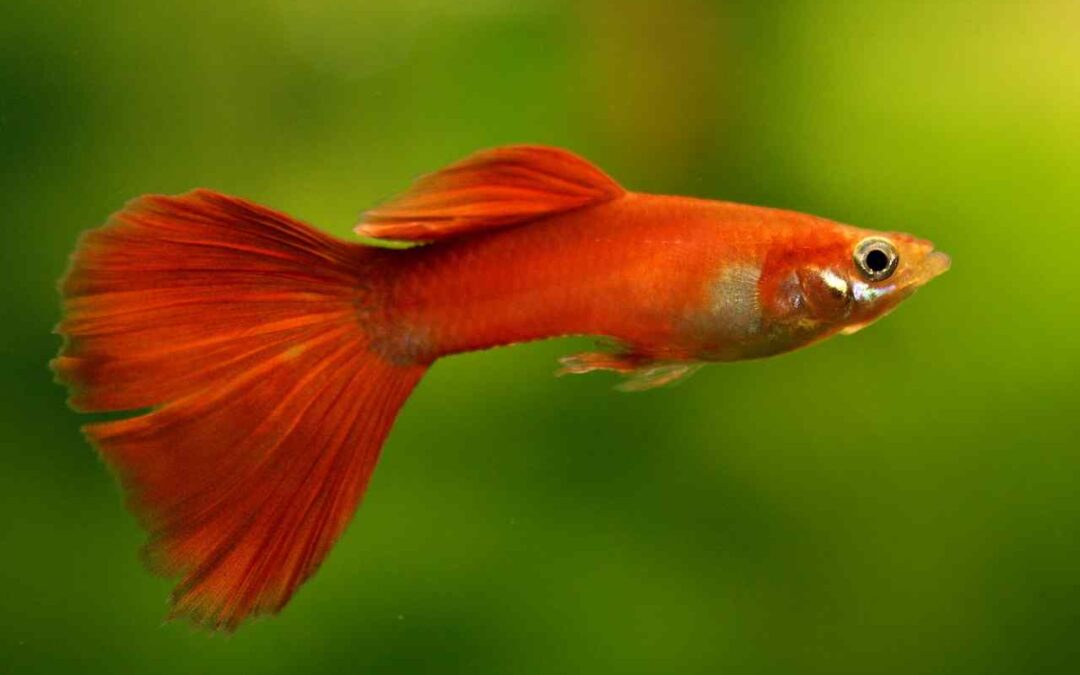
If you’ve ever stood in front of an aquarium and been drawn to tiny flashes of blue, red, and gold darting through the water, chances are you were looking at guppies. Scientifically known as Poecilia reticulata, guppies are among the most popular freshwater fish in the world—and for good reason.
Guppies as pets are ideal for beginners and experienced aquarists alike. They’re low-maintenance, peaceful, lively, and surprisingly personable for such small fish. If you’re thinking about adding guppies to your home, here’s everything you need to know to keep them thriving.
Why Guppies Make Great Pets
Guppies are often recommended as a first fish—and not just because they’re affordable. According to popular care guides (including many YouTube overviews on how to care for guppy fish), guppies are:
- Colorful and vibrant
- Active and social
- Peaceful community fish
- Hardy and adaptable
- Low-maintenance compared to many species
They generally live 2–3 years, though with excellent care some can reach up to 5 years. They stay small, usually growing to just 1.5–2 inches, which makes them perfect for modest tank setups.
Unlike some delicate fish species, guppies tolerate a range of water conditions, making them forgiving for beginners who are still learning the ropes of aquarium care.
Tank Requirements for Guppies
One of the most common questions about guppies as pets is: How big of a tank do they need?
Minimum Tank Size
- 10 gallons is ideal for a small group
- 4 gallons is the bare minimum (not recommended long-term)
Because guppies are social fish, they do best in groups of at least 4–6. A 10-gallon tank provides enough swimming space and helps maintain stable water parameters.
Equipment You’ll Need
✔ Filter – Essential for removing waste and keeping water clean
✔ Heater – Guppies prefer stable tropical temperatures
✔ Thermometer – To monitor temperature
✔ Light – For plant growth and fish visibility
Ideal Water Conditions
- Temperature: 72–82°F (22–28°C)
- pH: 6.8–7.8
- Moderate hardness
Consistency matters more than chasing “perfect” numbers. Stable conditions help guppies live longer and reduce stress.
Temperament and Tank Mates
Guppies are known for their peaceful nature. They are active swimmers and often school loosely together, especially in groups of six or more.
Because they are gentle fish, they do best with other peaceful species. Good tank mates include:
- Platies
- Mollies
- Tetras
- Corydoras catfish
Avoid aggressive or fin-nipping fish like some barbs or larger cichlids, as guppies’ flowing fins (especially males) can attract unwanted attention.
What Do Guppies Eat?
One reason guppies are such easy pets is their diet. They’re not picky eaters.
A balanced guppy diet can include:
- High-quality flake food
- Micro pellets
- Freeze-dried foods
- Occasional frozen or live foods (like brine shrimp or daphnia)
Feed small amounts once or twice daily—only what they can finish in about 1–2 minutes. Overfeeding is one of the most common beginner mistakes and can quickly pollute the tank.
Guppy Lifespan and Growth
Guppies are small fish, but they live surprisingly full lives.
- Average lifespan: 2–3 years
- With excellent care: Up to 5 years
- Adult size: 5–2 inches
Males are usually smaller and more colorful, with longer, flowing tails. Females are larger, rounder, and often more subdued in color.
Genetics also play a role in lifespan. Some fancy guppy strains are heavily inbred for specific colors or tail shapes, which can lead to shorter lifespans or health issues.
Breeding: The Good, The Fun, and The Overwhelming
If you’re keeping male and female guppies together, get ready—because breeding is almost guaranteed.
Guppies are livebearers, meaning they give birth to free-swimming fry (baby fish), not eggs.
What to Expect
- Females can give birth every 30 days
- 20–40 fry per batch is common
- They can store sperm and have multiple batches from one mating
It’s fascinating to watch, but population control becomes a real issue fast.
Managing Breeding
If you don’t want dozens of baby fish every month:
- Keep an all-male tank
- Or maintain a ratio of 2–3 females per 1 male
This ratio helps reduce breeding stress. Males constantly pursue females, and too many males can exhaust them.
Fry Survival
Another surprise for beginners: adult guppies may eat their own fry.
To increase survival rates:
- Add dense plants like java moss
- Use floating plants
- Or set up a separate nursery tank
If you don’t intervene, only a few fry may survive naturally.
Weekly Maintenance: The Secret to Healthy Guppies
Even though guppies are hardy, they still need regular care.
Weekly Routine
- Change 20–30% of the water
- Vacuum debris from the substrate
- Check filter function
- Test water parameters occasionally
Clean water is the single most important factor in guppy health. Many common illnesses stem from poor water quality rather than disease itself.
Common Pitfalls to Avoid
Even with “easy” fish like guppies, mistakes happen. Here are the most common ones:
1. Overcrowding
Because they breed so quickly, tanks can become overcrowded fast. Too many fish increases waste and stress.
2. Inbreeding Issues
Fancy guppies are often highly inbred to maintain specific colors and tail shapes. This can lead to:
- Weakened immune systems
- Shorter lifespans
- Deformities
Buying from reputable breeders helps.
3. Male Harassment
Too many males chasing too few females causes stress and can shorten a female’s lifespan.
4. Skipping Water Changes
Clear water doesn’t mean clean water. Invisible toxins like ammonia and nitrates build up without regular maintenance.
Are Guppies Good for Kids?
Yes—under supervision.
Guppies are:
- Colorful and engaging
- Easy to feed
- Forgiving of minor beginner mistakes
However, adults should handle water changes and monitor tank health. Teaching children about responsibility through aquarium care can be a wonderful learning experience.
Do Guppies Recognize Their Owners?
While they don’t bond like dogs or cats, many guppy owners notice their fish swimming toward the glass at feeding time. They quickly learn to associate people with food and become quite interactive.
Their lively personalities and constant movement make them entertaining to watch—almost like a tiny underwater dance troupe.
Fun Facts About Guppies You Probably Didn’t Know
Guppies may be tiny, but they have some surprisingly impressive traits.
1. Guppies Have Been to Space (Almost!)
While guppies themselves haven’t exactly floated in zero gravity, they have been used in scientific research because of their rapid breeding cycle and genetic diversity. Scientists study guppies to better understand evolution, inheritance, and even behavior patterns.
In fact, guppies are one of the most studied fish in evolutionary biology. Their bright colors in the wild actually change depending on predator presence — fewer predators often mean brighter males!
2. Every Male Guppy Is Unique
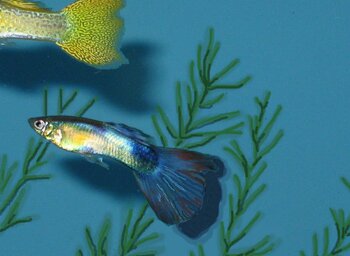
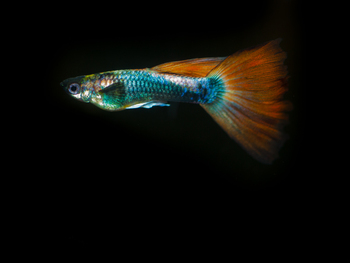
Male guppies are like living snowflakes — no two are exactly alike. Their patterns, tail shapes, and color combinations vary wildly. Some have cobra-like patterns, others resemble mosaic art, and some shimmer with metallic blues or neon reds.
This genetic diversity is one reason guppies remain so popular among hobbyists. Breeders have developed countless “fancy guppy” varieties with dramatic tail shapes like delta tails, lyretails, and fan tails.
3. They’re Natural Mosquito Control
In many parts of the world, guppies have been introduced into ponds and waterways to control mosquito populations. They eagerly eat mosquito larvae, making them tiny but effective pest control agents.
Because of this, guppies have played a role in reducing mosquito-borne illnesses in certain regions.
Understanding Guppy Behavior
One of the most enjoyable parts of keeping guppies as pets is simply watching them.
They’re constantly moving, exploring, and interacting. Unlike shy fish that hide behind decor, guppies tend to swim in open water, making them ideal for display tanks.
Here are a few behaviors you might notice:
- Glass surfing – Swimming up and down the tank walls (sometimes due to stress or curiosity).
- Chasing – Males pursuing females during courtship.
- Top swimming – Often looking for food, since they’re natural surface feeders.
- Schooling loosely – Staying near one another for comfort.
Healthy guppies are active and alert. If yours become lethargic, clamp their fins, or hide constantly, it may signal a water quality issue.
Do Guppies Need Live Plants?
While plastic plants work, live plants truly elevate a guppy tank.
Benefits of live plants include:
- Natural hiding spots for fry
- Improved water quality
- Oxygen production
- Reduced stress for fish
Beginner-friendly plants like java moss, anubias, and hornwort are excellent choices. Plus, the vibrant green backdrop makes your guppies’ colors pop even more.
The Difference Between Male and Female Guppies
If you’re new to guppies as pets, telling males and females apart is important — especially if you want to control breeding.
Males:
- Smaller and slimmer
- Brightly colored
- Larger, decorative tails
- Have a pointed anal fin (gonopodium)
Females:
- Larger and rounder
- Less colorful
- Smaller tails
- Have a fan-shaped anal fin
- Often show a dark “gravid spot” when pregnant
Many beginners accidentally buy a mixed group and suddenly find themselves with dozens of baby guppies. If you want color without babies, an all-male tank is often recommended.
Can Guppies Live Alone?
Technically yes — but they shouldn’t.
Guppies are social creatures. Keeping just one can lead to stress and reduced activity. A small group allows them to display natural behaviors and feel secure.
If space is limited, it’s better to keep fewer guppies in a proper 10-gallon tank than overcrowd a smaller one.
Signs of a Happy, Healthy Guppy
Healthy guppies will:
- Swim actively
- Display vibrant colors
- Have fully extended fins
- Eat eagerly
- Interact with tank mates
Cloudy water, fin damage, white spots (possible ich), or unusual swimming patterns are early warning signs that something may be off.
Catching issues early is the key to long-term success.
The Emotional Side of Fishkeeping
Many people underestimate how relaxing it is to keep guppies as pets.
Watching them glide through the water after a long day can be surprisingly calming. Studies have shown that aquariums can reduce stress and lower blood pressure. There’s something soothing about observing aquatic life — it slows you down.
And because guppies are active and colorful, they hold your attention in a way that many other small fish don’t.
Final Extra Tip: Quality Over Quantity
It can be tempting to buy as many colorful guppies as possible — especially when you see all the varieties available.
But the secret to success is restraint.
Fewer fish with:
- Proper tank space
- Stable water parameters
- Balanced nutrition
- Regular maintenance
…will always thrive better than an overcrowded tank.
When cared for properly, guppies aren’t just “starter fish.” They’re vibrant, engaging pets that can bring years of enjoyment to your home.
Final Thoughts: Are Guppies the Right Pet for You?
If you’re looking for:
- A colorful, peaceful freshwater fish
- Low maintenance care
- An affordable aquarium hobby
- Active, social fish that brighten a room
Guppies as pets are a fantastic choice.
They’re hardy, adaptable, and beginner-friendly—but they still reward good care with brighter colors, longer lives, and active behavior.
With a proper 10-gallon tank, stable temperatures between 72–82°F, weekly water changes, and a balanced diet, guppies can thrive and become a vibrant centerpiece in your home.
FAQs About Guppies as Pets
1. How many guppies should I keep together?
At least 4–6 guppies. They are social fish and feel more secure in groups.
2. Do guppies need a heater?
Yes, in most homes. They prefer tropical temperatures between 72–82°F.
3. Can guppies live in a bowl?
No. Bowls lack filtration, heating, and space. A 10-gallon tank is ideal.
4. How often should I feed guppies?
Once or twice daily, only what they can eat within 1–2 minutes.
5. How long do guppies live?
Typically 2–3 years, though some can live up to 5 years with excellent care.
6. Do guppies get lonely?
Yes. They are social fish and should not be kept alone.
7. Why are my guppies having babies so often?
Guppies are livebearers and breed easily. Females can give birth monthly and produce 20–40 fry at a time.
8. Do guppies eat their babies?
Yes, sometimes. Providing dense plants or a separate nursery tank helps protect fry.
Guppies may be small, but they bring enormous personality and color into a home. With the right setup and consistent care, they’re one of the most rewarding—and enjoyable—fish you can keep.