If you’re planning a peaceful community tank, there’s a good chance you’ve considered pairing corydoras catfish with freshwater shrimp. Both are popular for their calm behavior and helpful roles in keeping tanks clean. But one important question always comes up:
Do corydoras eat shrimp?
The short answer supported by common aquarium advice is this:
Corydoras usually don’t eat adult shrimp, but they may eat baby shrimp (shrimplets) if given the chance.
Let’s break that down in a practical, real-world way so you know exactly what to expect.
Understanding Corydoras Behavior
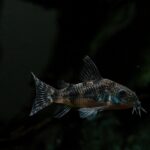
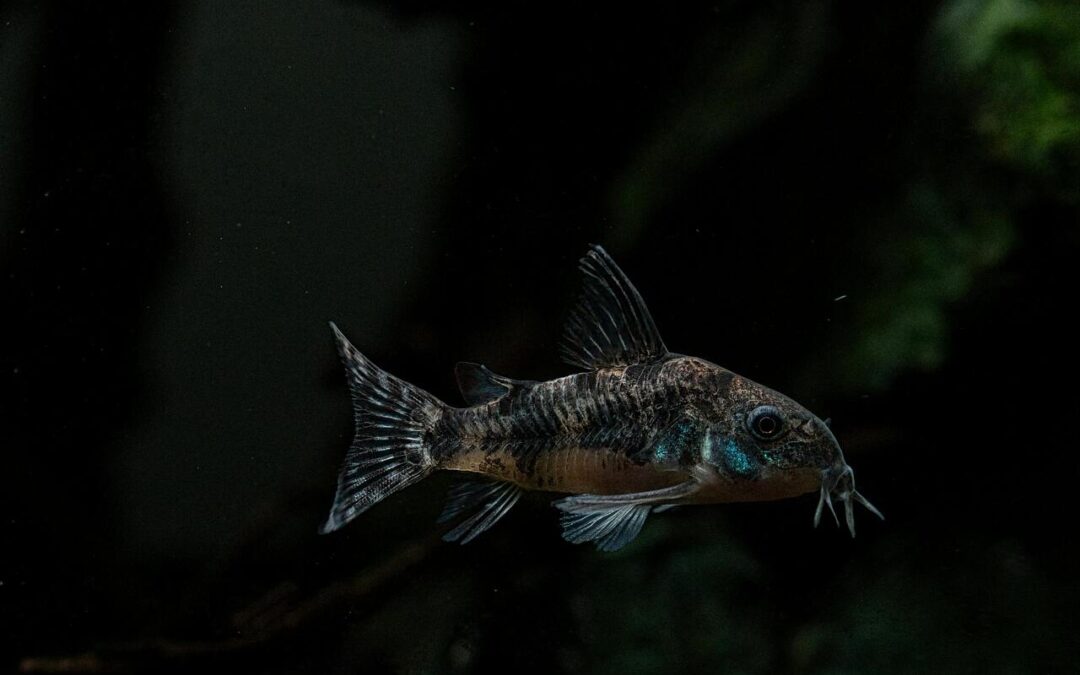
Corydoras (often called “corys”) are small, bottom-dwelling catfish known for their gentle and social nature. They spend most of their time scavenging the substrate, searching for leftover food, detritus, and tiny organisms.
They are:
- Peaceful and non-aggressive
- Omnivorous scavengers
- Not active hunters
Unlike predatory fish, corydoras don’t chase down prey. Instead, they rely on what they can find while sifting through sand or gravel.
This is why they’re often labeled as “shrimp-safe”—but that label comes with a small caveat.
Do Corydoras Eat Adult Shrimp?
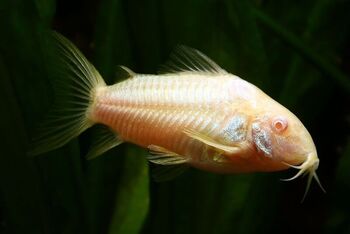
In most cases, no—corydoras do not eat adult shrimp.
Adult shrimp, such as cherry shrimp or Amano shrimp, are usually:
- Too large for a cory’s small mouth
- Fast and aware enough to avoid accidental contact
- Not perceived as food
Even in a shared tank, you’ll often see shrimp casually walking around while corydoras forage nearby without any signs of aggression.
Bottom line:
✔ Adult shrimp are generally safe with corydoras.
Are Baby Shrimp (Shrimplets) at Risk?
This is where things get a bit more nuanced.
Yes, shrimplets can be at risk.
Because corydoras are opportunistic feeders, they may eat anything that:
- Fits in their mouth
- Moves slowly or unpredictably
- Happens to be in the wrong place at the wrong time
Newly hatched shrimp are extremely tiny—often small enough to be accidentally eaten during normal foraging.
Many hobbyists (including users on aquarium forums and Reddit) report that while corydoras don’t actively hunt shrimp, they may consume:
- Very young shrimplets
- Dead or weakened shrimp
- Tiny snails or microfauna
This behavior isn’t aggression—it’s simply natural scavenging.
Bottom line:
⚠ Shrimplets are vulnerable, especially in open areas of the tank.
Why Corydoras Might Eat Shrimplets
It’s important to understand that corydoras don’t go out of their way to hunt shrimp. However, a few factors can increase the chances of shrimplets being eaten:
1. Hunger
If corydoras are underfed, they’re more likely to eat anything edible they encounter—including baby shrimp.
2. Lack of Hiding Spots
Shrimplets rely heavily on cover to survive. Without plants or moss, they’re exposed.
3. Tank Layout
Bare-bottom tanks or minimal decorations make it easier for corydoras to accidentally encounter and consume baby shrimp.
How to Keep Corydoras and Shrimp Together Successfully
The good news is that you can absolutely keep both species together—and even grow a shrimp colony—with the right setup.
Here’s how:
1. Add Plenty of Hiding Spots
Dense plants are essential for shrimp survival.
Great options include:
- Java moss
- Christmas moss
- Subwassertang
- Fine-leaf plants
These create a “safe zone” where shrimplets can hide and grow.
2. Feed Your Corydoras Properly
Well-fed corydoras are far less likely to snack on shrimplets.
Provide a varied diet such as:
- Sinking pellets
- Algae wafers
- Frozen foods (like bloodworms or brine shrimp)
A satisfied cory is a lazy cory—and that’s exactly what you want.
3. Use a Soft Substrate
Corydoras love sand because it allows them to sift safely without damaging their barbels.
As a bonus, sand also:
- Helps distribute food evenly
- Reduces aggressive foraging behavior
4. Maintain a Balanced Tank
A healthy aquarium with stable parameters benefits both shrimp and fish.
Keep:
- Ammonia and nitrites at 0
- Nitrates low
- Temperature appropriate for both species (around 22–26°C / 72–79°F)
5. Start with a Larger Shrimp Colony
Even if some shrimplets are eaten, a well-established colony can sustain itself.
Shrimp reproduce quickly, so occasional losses usually won’t wipe them out.
Realistic Expectations: What Most Aquarists Experience
In real-world aquariums, most hobbyists report that:
- Adult shrimp thrive alongside corydoras
- Shrimp colonies still grow over time
- Some baby shrimp may disappear occasionally
This aligns closely:
Corydoras are considered safe tankmates overall, but tiny shrimp may be eaten due to opportunistic feeding.
So instead of expecting zero losses, think in terms of balance.
Final Verdict: Are Corydoras Shrimp-Safe?
Yes—with a small caveat.
- ✅ Adult shrimp: Safe
- ⚠ Baby shrimp: Occasionally at risk
- 🐟 Overall compatibility: Excellent
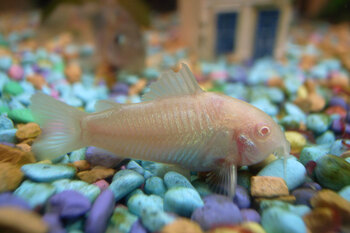
Corydoras remain one of the best fish to pair with shrimp, especially if your goal is a peaceful, natural-looking aquarium.
With proper care, both can coexist beautifully—and even thrive together.
FAQs About Corydoras and Shrimp
1. Do corydoras actively hunt shrimp?
No, corydoras are not hunters. They are scavengers and only eat what they come across while foraging.
2. Can cherry shrimp live with corydoras?
Yes, cherry shrimp are commonly kept with corydoras. Adults are usually ignored, but babies need hiding spots.
3. Will corydoras eat dead shrimp?
Yes. Corydoras will eat dead shrimp as part of their natural scavenging behavior.
4. How do I protect baby shrimp from corydoras?
Provide dense plants like moss, keep corydoras well-fed, and avoid overly bare tanks.
5. Are corydoras better than other fish for shrimp tanks?
Yes. Compared to many fish species, corydoras are among the safest tankmates for shrimp.
6. Can shrimp clean up after corydoras?
Absolutely. Shrimp will eat leftover food and waste, helping maintain tank cleanliness alongside corydoras.
7. What size tank is best for keeping both?
A 10–20 gallon tank or larger works best, giving shrimp space to hide and corydoras room to roam.
If you’re building a calm, lively aquarium, combining corydoras and shrimp is a fantastic choice. Just remember: a little planning goes a long way in keeping both happy—and your tank thriving.