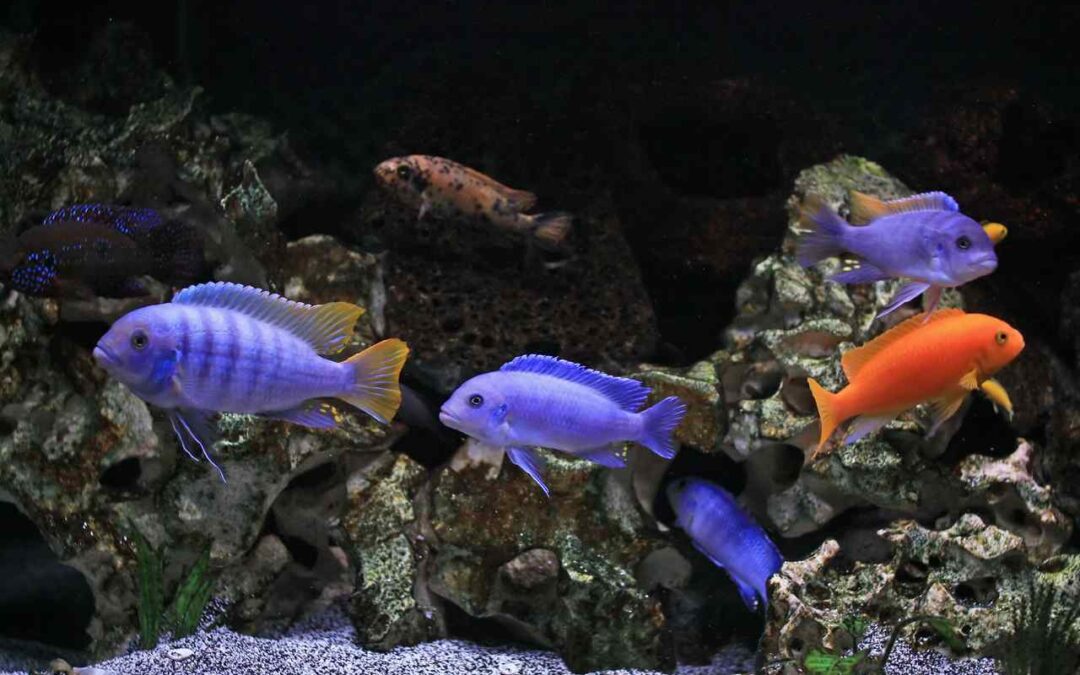
Cichlids are some of the most popular aquarium fish in the world, loved for their vibrant colors, interactive personalities, and diverse species. But if there’s one factor that can make or break their health, it’s water temperature. Cichlids rely heavily on stable, warm water to thrive, and even small fluctuations can lead to stress or illness. Understanding the right temperature range—plus how to maintain it—is essential for keeping your fish healthy and active.
In this guide, we’ll break down the ideal cichlid water temperature, species-specific needs, breeding temperatures, and practical tips for managing heat in your aquarium.
Ideal Water Temperature for Cichlid Fish
The ideal water temperature for most cichlids falls between 74°F and 82°F (23°C to 28°C). While this range applies to the majority of species, what matters even more is consistency. Cichlids are sensitive to quick changes, and sudden drops or spikes can stress them out.
Another key point: keeping the water too hot can be fatal for certain species, so staying within the safe range is important. While cichlids love warm water, anything above 86°F (30°C) can become dangerous without special considerations.
A stable temperature helps support their immune system, metabolism, and general behavior. You’ll often notice that cichlids become more active and show richer colors when the temperature stays in their comfort zone.
Species-Specific Temperature Considerations
Not all cichlids are the same. With over 1,300 species found across Africa, South America, and parts of Asia, each type has evolved in different environments. That means temperature preferences can vary slightly.
1. Lake Malawi Cichlids
These are some of the most popular African cichlids, known for their bright colors and active behavior.
- Preferred Range: 74°F to 80°F (23°C to 26°C)
- They thrive in warm, stable waters and are fairly sensitive to colder temperatures.
2. Lake Tanganyika Cichlids
These fish prefer extremely stable water parameters.
- Preferred Range: 75°F to 80°F (24°C to 26°C)
- They don’t tolerate sudden swings well and require very controlled tank conditions.
3. South American (New World) Cichlids
This group includes angelfish, Oscars, convicts, and Firemouth cichlids.
- Preferred Range: 75°F to 80°F (24°C to 27°C)
- Many species have a slightly wider comfort zone because their native waters fluctuate more naturally.
4. Dwarf Cichlids (Apistogramma, Rams)
These smaller cichlids often enjoy slightly warmer temperatures.
- Preferred Range: 78°F to 82°F (25°C to 28°C)
- German Blue Rams, in particular, need warmer water to stay healthy.
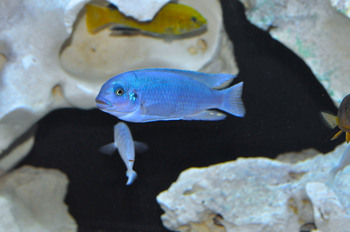
Breeding Temperatures for Cichlids
If you’re hoping to breed your cichlids, water temperature plays a major role. Higher temperatures encourage spawning and increase activity levels.
- The ideal breeding temperature is 80°F to 82°F (26°C to 28°C).
Many hobbyists find that slowly raising the tank 2–3 degrees is enough to encourage pair bonding, courtship, and egg laying. Just be careful not to exceed the safe limits—higher temperatures speed up metabolism, which means your fish will need more oxygen. Proper aeration is essential during breeding seasons.
Why Stable Temperature Matters
Cichlids can handle a degree or two of natural fluctuation, but sudden changes of 5°F or more can be stressful and harmful. Stress in cichlids may lead to:
- Weakened immune system
- Higher risk of diseases like fin rot
- Reduced appetite
- Dull coloration
- Aggression or hiding behavior
One of the biggest mistakes beginners make is completing water changes with water that is too cold or too warm. Matching the temperature of your source water to your tank water is the best way to prevent shock.
Equipment for Maintaining the Right Temperature
Maintaining the proper temperature consistently comes down to the right equipment.
1. Aquarium Heater
Choose a heater that matches your tank size. A general rule:
- 3–5 watts per gallon for most tanks
- Very large tanks may need two heaters to maintain even heat distribution
A reliable heater prevents cold spots and extreme fluctuations.
2. Thermometer
Monitoring your tank is essential. A thermometer—stick-on, digital, or floating—helps you:
- Stay aware of temperature trends
- Catch early temperature swings
- Maintain stability over time
3. Cooling Methods
Warm climates or powerful lights can raise water temperature too high. If your tank stays warmer than ideal:
- Use an aquarium fan (effective and affordable)
- Increase surface agitation for better cooling
- Turn on air conditioning in the room
- Reduce tank light duration
Cooling naturally and gradually is safer than trying to change temperatures quickly.
Tips for Managing Cichlid Water Temperature
Here are some practical, everyday tips for keeping your cichlids comfortable:
✔ Use a reliable thermometer
Don’t rely on the heater’s display alone—always monitor with a separate thermometer.
✔ Match water during changes
Try to keep new water within 1–2 degrees of your tank’s temperature.
✔ Avoid overheating
Even though cichlids thrive in warm water, anything above 86°F can be harmful.
✔ Keep temperature stable
Focus on consistency rather than hitting a perfect number every time.
✔ Check equipment regularly
Replace faulty heaters immediately, as malfunctions can cause dangerous temperature swings.
Frequently Asked Questions (FAQs)
1. What is the best temperature for most cichlid fish?
Most cichlids thrive in 74°F to 82°F (23°C to 28°C). Stability within this range is more important than achieving a perfect number.
2. Can cichlids survive in cold water?
No. Cichlids are tropical fish and become stressed or sick in cold water. Temperatures below 72°F can lead to weakened immunity and inactivity.
3. Is 82°F too hot for cichlids?
82°F is safe for many species, especially for breeding. Just ensure good aeration and avoid going above 86°F.
4. How do I cool down my cichlid tank?
Use a fan, increase surface agitation, reduce lighting, open the tank lid, or run air conditioning in the room.
5. Do different cichlid species need different temperatures?
Yes. Lake Malawi and Tanganyika cichlids prefer 74–80°F, South American cichlids prefer 75–80°F, and dwarf cichlids may prefer up to 82°F.
6. What happens if the temperature fluctuates too much?
Sudden changes can stress cichlids, causing illness, color loss, or aggressive behavior. Always maintain consistency.