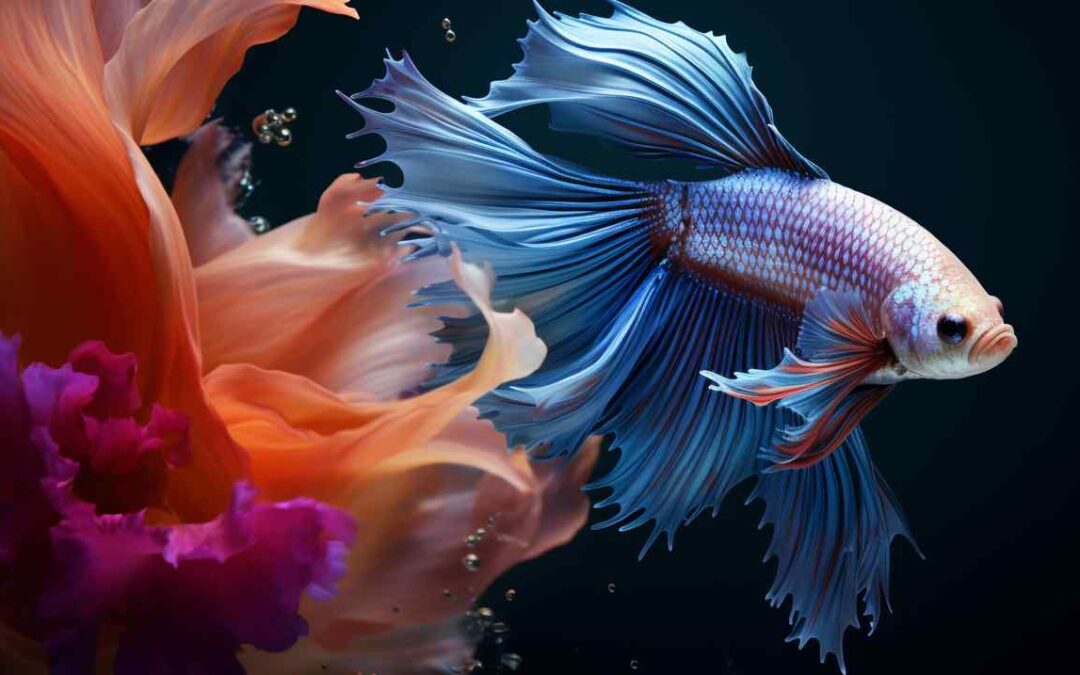
Betta fish, with their flowing fins and vibrant colors, are like tiny underwater royalty. They’re one of the most beloved aquarium pets because they’re beautiful, curious, and have a surprisingly big personality for such a small fish.
But here’s the thing—despite their popularity, bettas are often misunderstood. You’ve probably seen them sold in little plastic cups at pet stores, making it seem like they can survive in small bowls with little care. Unfortunately, this couldn’t be further from the truth.
Taking proper care of a betta fish is about more than just keeping them alive—it’s about helping them truly thrive. When bettas are cared for the right way, they become active, colorful, and even playful little companions.
Whether you’re new to betta care or want to make sure you’re doing everything right, this guide will walk you through all the essentials—from setting up their tank to understanding their behavior. Plus, you’ll find a handy betta fish care checklist at the end to keep you on track.
Getting to Know Betta Fish: The Basics
Before diving into the details, let’s start with a quick snapshot of what bettas need to live their best life:
- Scientific Name: Betta splendens
- Common Names: Betta fish, Siamese fighting fish
- Lifespan: 3 to 5 years (sometimes longer with great care)
- Temperament: Males are territorial, females can be kept in groups with caution
- Tank Size: Minimum 5 gallons—bigger is always better
- Water Temperature: 76°F to 82°F (24°C to 28°C)
- Diet: Carnivorous—high-protein betta pellets and frozen or live foods

Why Betta Fish Deserve Proper Care
Bettas are tougher than they look, which is why they’re often marketed as “easy” or “low-maintenance” fish. But surviving isn’t the same as thriving.
Too many bettas are kept in tiny, cold, and dirty bowls simply because people don’t know better. These conditions can cause stress, fin rot, and a shortened lifespan. When bettas are given the right environment, though, they become energetic, curious, and even interactive pets that can live longer, healthier lives.
Think of your betta not as just a fish, but as a little companion that deserves the same attention you’d give any other pet.
The Essentials of Betta Fish Care
1. Choosing the Right Home
Tank Size: Why Bigger is Better
You’ve probably seen bettas in small bowls, but that’s not what they need. The absolute minimum tank size is 5 gallons. If you can go bigger—like 10 gallons—it’s even better. Bettas love to explore, and a cramped tank doesn’t allow them to swim freely or stay active.
A larger tank also makes it easier to keep the water clean, which means fewer health problems for your betta.
Tank Shape and Lid
Choose a wide, low tank rather than a tall, narrow one. Bettas like to swim horizontally, and they need easy access to the water surface to breathe.
Also, bettas are known to be little jumpers—always use a tank lid or cover to keep them safe.
2. Creating the Perfect Water Conditions
Clean, Warm Water
Bettas are tropical fish, which means they need consistently warm water between 76°F and 82°F. Room temperature water is usually too cold. Always use a reliable aquarium heater and a thermometer to check the water daily.
Filtration
Some people skip using a filter, but it’s really important. A gentle filter keeps the water clean and removes harmful toxins like ammonia and nitrites. Bettas don’t like strong currents, so look for a low-flow or adjustable filter. Sponge filters are perfect for bettas because they’re gentle and quiet.
Water Quality
Keep these water parameters in mind:
- Ammonia: 0 ppm
- Nitrites: 0 ppm
- Nitrates: Less than 20 ppm
- pH: Between 6.5 and 7.5
Test your water regularly with an aquarium test kit. Bettas are sensitive to sudden changes, so stable, healthy water is key.
Water Changes
Do partial water changes every week—about 25% to 50%—depending on your tank size. This keeps harmful waste from building up.
Always treat tap water with a water conditioner to remove chlorine, which can harm your betta instantly.

3. Decorating Your Betta’s Tank
Bettas love to explore and hide, so a thoughtfully decorated tank can make their life much more interesting.
- Plants: Live or silk plants are best. Plastic plants can tear their delicate fins. Java fern, anubias, and marimo moss balls are great beginner-friendly live plants.
- Hiding Spots: Smooth caves, floating logs, and leaf hammocks give your betta places to rest and feel secure.
- Toys: Bettas can be curious! Floating toys and occasional mirror play (just for a minute or two) can stimulate their minds.
Make sure all decorations have no sharp edges that could damage their fins.
4. Feeding Your Betta
What Bettas Eat
Bettas are carnivores, so they need a high-protein diet. Their main food should be specially made betta pellets (not generic tropical fish flakes). They can also enjoy:
- Frozen or live bloodworms
- Brine shrimp
- Daphnia
How Much to Feed
Feed your betta 1 to 2 times a day—just enough that they can finish their food in about 2 minutes. Their stomachs are roughly the size of their eyeballs, so they don’t need much.
Overfeeding is a common mistake and can lead to bloating and poor water quality.
Many experienced betta keepers recommend a fasting day once a week to help prevent digestive problems.
5. Keeping an Eye on Betta Health
Healthy bettas are active, brightly colored, and have full, flowing fins. You should watch for these warning signs:
- Lethargy or floating near the bottom
- Faded colors
- Clamped fins (fins held tightly against the body)
- White spots or cottony patches (possible fungal infections)
- Swollen belly (could be constipation or dropsy)
- Difficulty swimming or floating sideways
If you notice anything unusual, act quickly:
- Check your water parameters
- Isolate the betta if needed
- Look into possible treatments, like aquarium salt baths or specialized medications
6. Understanding Betta Behavior
Bettas are more social and intelligent than people often think. They can:
- Recognize their owners
- Get excited at feeding time
- Follow your finger along the tank
- Even learn to do simple tricks, like swimming through hoops!
You can enrich their lives by rearranging their tank decorations now and then, offering toys, and spending a few minutes each day observing or gently interacting with them.
Male Bettas Can’t Share
It’s important to remember that male bettas are very territorial. Two males in the same tank will almost always fight, sometimes to the death. Female bettas can sometimes live in carefully planned groups called sororities, but this takes experience and a larger tank.
7. Building a Betta Care Routine
Consistency is everything in betta care. Your betta will thrive when you:
- Feed them at the same times each day
- Check water temperature daily
- Do partial water changes every week
- Regularly test water quality
- Watch for changes in behavior or appearance
When you build a steady routine, your betta will feel safe and happy.

Betta Fish Care Checklist
To help you keep your betta care on track, here’s a simple, printable checklist:
🐟 Betta Fish Care Checklist
✔️ Minimum 5-gallon tank
✔️ Secure lid to prevent jumping
✔️ Gentle, low-flow filtration system
✔️ Reliable heater (76°F-82°F)
✔️ Thermometer for daily checks
✔️ Water conditioner for tap water
✔️ Partial water changes weekly (25-50%)
✔️ Water test kit (Ammonia, Nitrite, Nitrate, pH)
✔️ Smooth, betta-safe decorations
✔️ Live or silk plants
✔️ Betta pellets (protein-rich)
✔️ Occasional treats: bloodworms, brine shrimp
✔️ Feeding schedule: 1-2 times daily, small portions
✔️ Weekly fasting day to prevent bloating
✔️ Daily temperature and health checks
✔️ Mental enrichment: toys, plants, mirror play (briefly)
✔️ Never house male bettas together
✔️ Time for daily observation and interaction
Common Betta Care Mistakes to Avoid
Even caring owners can make mistakes when starting out. Watch out for these:
- Tiny bowls or cups: These don’t provide enough space or stable water quality.
- No heater: Bettas need warm water, even if your room feels warm to you.
- Strong water currents: Bettas prefer calm waters.
- Overfeeding: Less is more when it comes to betta meals.
- Skipping water changes: Dirty water can quickly harm your betta.
Can Betta Fish Have Tank Mates?
Bettas can live with other peaceful species if you carefully choose their tank mates. Some good options (in a large enough tank) include:
- Corydoras catfish
- Kuhli loaches
- Nerite or mystery snails
- Small, fast schooling fish like ember tetras
Avoid fin-nipping fish like barbs or guppies, and never house two male bettas together.
Do Betta Fish Get Lonely?
Bettas are not social fish like goldfish or guppies. They don’t get lonely in the way we think. They’re naturally solitary but still need mental stimulation from their surroundings.
What they really need is:
- An engaging environment
- Regular interaction with you
- Variety in their tank to explore
If you keep their world interesting, your betta will live a happy, stress-free life.

How Long Do Betta Fish Live?
On average, bettas live 3 to 5 years, but with excellent care, some bettas can live up to 7 years or more.
Buying from a reputable breeder instead of a pet store can also give your betta a healthier start.
Final Thoughts: Bettas Deserve the Best
Betta fish are not disposable pets. They’re living creatures with unique personalities, and when cared for properly, they can bring a surprising amount of joy and companionship.
Providing the right tank, clean warm water, a good diet, and a little daily attention isn’t just what your betta needs—it’s what they deserve.
And the best part? When your betta is healthy and happy, they’ll reward you with their vivid colors, graceful swimming, and even build bubble nests—a sign that they’re truly comfortable in their home.