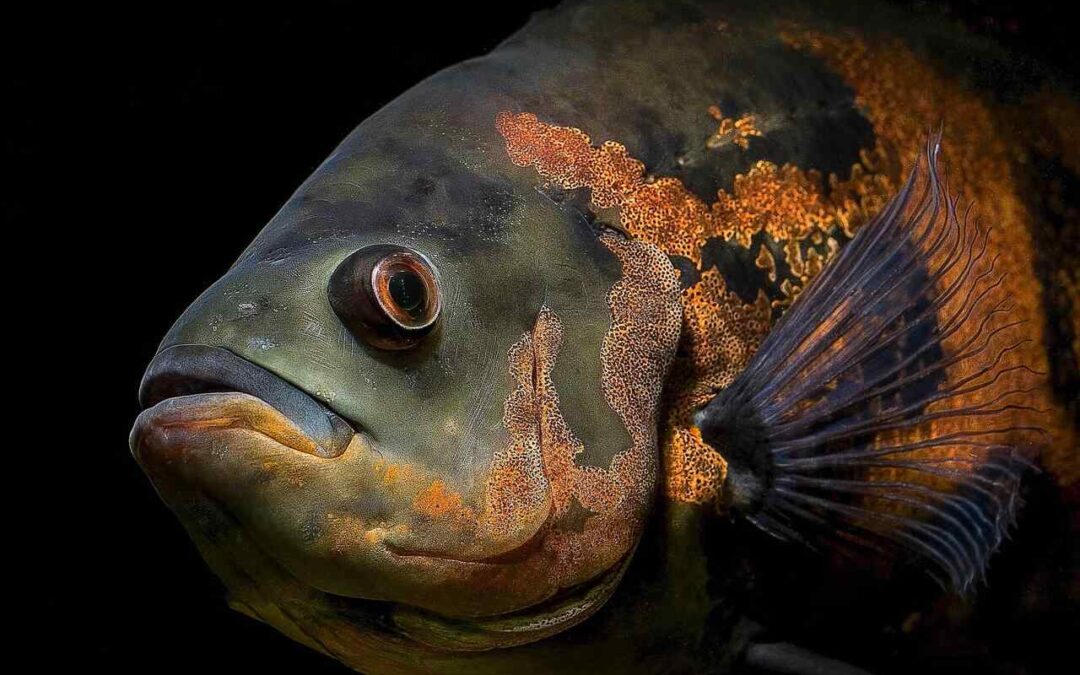
Oscar fish are often described as the “dogs of the aquarium world.” They recognize their owners, beg for food, sulk when ignored, and display surprisingly complex behavior. But alongside that charm comes a serious question many fish keepers ask before buying one: are Oscar fish aggressive?
The honest answer is yes—Oscar fish are aggressive, especially as they grow larger. However, their aggression isn’t mindless or uncontrollable. It’s rooted in instinct, intelligence, and environment. When kept correctly, Oscars can be interactive, fascinating, and even calm in their own way. When kept incorrectly, they can quickly turn a peaceful aquarium into a battleground.
This in-depth guide explains why Oscar fish are aggressive, how that aggression shows itself, how to manage it, and whether an Oscar is the right fish for your aquarium.
Are Oscar Fish Aggressive?
Yes, Oscar fish are known to be aggressive and territorial, particularly as they mature into adults. While they may seem calmer than some smaller but more fiery cichlids, Oscars are large predatory fish capable of serious damage when stressed or threatened.
They are not suitable for typical community tanks, especially those containing small or peaceful fish. Anything that fits into an Oscar’s mouth is potential food — and even fish that don’t may still be chased, bullied, or injured.
Because of this, Oscar fish often:
- Require very large tanks (75+ gallons)
- Need carefully chosen tank mates or no tank mates at all
- Thrive best in species-only setups
Why Are Oscar Fish Aggressive?
Oscar aggression doesn’t come from being “mean.” It comes from a combination of natural instincts and aquarium limitations.
1. Territorial Instincts
In the wild, Oscars establish territories to secure food and breeding grounds. In an aquarium, space is limited, which intensifies territorial behavior.
Common territorial actions include:
- Chasing tank mates
- Ramming or side-slamming
- Nipping fins
- Blocking access to food
The smaller the tank, the more aggressive these behaviors become.
2. Predatory Nature
Oscars are opportunistic predators. They naturally hunt smaller fish, insects, and crustaceans.
This is why:
- Guppies, tetras, mollies, and minnows are quickly eaten
- Slow or timid fish rarely survive
- Juvenile Oscars that seem peaceful may suddenly become hunters
Even if an Oscar was “raised with” smaller fish, instincts often take over as it grows.
3. High Intelligence and Curiosity
Oscar fish are among the most intelligent freshwater fish. They recognize routines, learn feeding times, and respond to their owners.
However, intelligence comes with boredom.
A bored Oscar may:
- Rearrange tank decor
- Dig constantly
- Chase tank mates
- Display increased aggression
Mental stimulation and proper tank design are essential.
4. Breeding and Pairing Behavior
When Oscars form a breeding pair, aggression increases dramatically.
Breeding Oscars will:
- Guard eggs aggressively
- Attack fish that come near their spawning site
- Even fight tank mates they previously tolerated
During breeding, most tank mates must be removed to prevent injury or death.
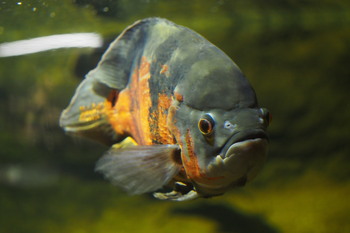
Signs of Aggression and Dominance in Oscar Fish
Recognizing aggression early can prevent injuries and stress.
Territorial Defense
- Persistent chasing
- Cornering other fish
- Sudden lunges across the tank
Mouth-Locking
Two Oscars may lock mouths to establish dominance. While common, prolonged mouth-locking can cause jaw injuries.
Predatory Behavior
If a fish disappears overnight, it was likely eaten — especially if it was smaller.
Destructive Behavior
Oscars are famous for:
- Uprooting plants
- Moving rocks
- Digging in substrate
- Knocking over decorations
This behavior is often territorial or exploratory rather than pure aggression.
How Tank Size Affects Oscar Fish Aggression
Tank size is the single most important factor in managing Oscar aggression.
Minimum Tank Size
- Single Oscar: 75 gallons (absolute minimum)
- Two Oscars: 100–125 gallons
- Oscar with tank mates: 125 gallons or larger
Small tanks increase aggression because:
- Territories overlap constantly
- Fish cannot escape confrontation
- Stress levels rise
Larger tanks allow Oscars to establish boundaries and reduce constant conflict.
Ideal Tank Setup to Reduce Oscar Aggression
While you can’t eliminate aggression completely, the right setup makes a huge difference. Here’s your Oscar fish tank setup guide:
1. Create Visual Barriers
Use decor to break lines of sight:
- Driftwood
- Large rocks
- Resin caves
- Dark PVC pipes
This allows fish to avoid each other instead of being forced into constant face-offs.
2. Provide Multiple Hiding Spots
Even dominant Oscars benefit from retreat spaces. Multiple hiding areas reduce stress and spread out territories.
3. Rearrange Decor When Needed
Rearranging decorations can:
- Reset territorial boundaries
- Reduce dominance behavior
- Help when introducing new fish
This works best when aggression suddenly increases.
4. Use Heavy, Secure Decorations
Oscars are strong and will move lightweight decor. Secure rocks properly to avoid collapses or injuries.
5. Skip Delicate Plants
Most Oscars uproot live plants. If you want greenery:
- Attach Java fern or Anubias to rocks
- Use high-quality artificial plants
Feeding and Its Impact on Aggression
Hunger can make Oscars more aggressive.
Feeding Tips
- Feed once or twice daily
- Use high-quality large cichlid pellets
- Supplement occasionally with frozen foods
Avoid overfeeding, as poor water quality increases stress, waste, and aggression.
Choosing Tank Mates for Aggressive Oscar Fish
Tank mates are one of the biggest challenges with aggressive Oscars.
Tank mates must meet three strict rules:
- Too large to eat
- Tough enough to handle aggression
- Occupy different tank levels
Possible Tank Mates (Still Risky)
- Silver Dollars (fast and schooling)
- Large Plecos
- Severums
- Green Terrors
- Jack Dempseys
Even these combinations require careful monitoring. Many experienced aquarists choose to keep Oscars alone, which often results in calmer behavior and fewer injuries.
Fish You Should Never Keep with Oscars
- Guppies
- Mollies
- Tetras
- Corydoras
- Angelfish
These fish are either too small, too slow, or too peaceful to survive.
Are Oscar Fish Aggressive Toward Humans?
Not aggressively — but they are bold.
Oscars often:
- Recognize their owners
- Follow movement outside the tank
- Beg for food
- Showing excitement and accept hand-feeding
They may gently nip fingers out of curiosity, not aggression. Still, caution is recommended.
Do All Oscar Fish Have the Same Temperament?
No. Like people, each Oscar has its own personality.
Some are:
- Calm and tolerant
- Curious but gentle
- Accepting of tank mates
Others are:
- Highly territorial
- Dominant
- Intolerant of any other fish
This unpredictability is part of what makes Oscars fascinating—but also challenging.
Are Oscar Fish Beginner-Friendly?
For most beginners, Oscar fish are not ideal.
Oscars are not beginner-friendly for standard community tanks due to:
- Large tank requirements
- Strong filtration
- Aggression management
- Long-term commitment (10–15 years lifespan)
They are best suited for:
- Intermediate to advanced aquarists
- Hobbyists with large tanks
- Fish keepers who enjoy interactive pets
Fun Facts About Oscar Fish Behavior
- Oscars can recognize individual humans
- They may sulk when ignored
- Some enjoy playing with floating objects
- They can learn feeding routines
- Oscars may rearrange the tank overnight
Their intelligence is one of their most appealing traits.
Fun Facts About Oscar Fish Intelligence
Oscar fish aren’t just aggressive cichlids — they’re also among the smartest freshwater fish in the aquarium hobby. Their intelligence is one of the main reasons so many owners describe them as “wet pets” rather than typical fish.
Here are some fascinating facts that show just how smart Oscars really are:
1. Oscars Can Recognize Their Owners
Many Oscar keepers notice that their fish behave differently around familiar people. Oscars often swim excitedly to the front of the tank when their owner approaches, while ignoring strangers. This ability to recognize individual humans is rare among fish and highlights their strong cognitive skills.
2. They Learn Feeding Schedules Quickly
Oscar fish are excellent at learning routines. They can memorize feeding times and will often wait in specific areas of the tank when food is expected. Some even respond to tapping on the glass or the sound of a lid opening — a clear sign of associative learning.
3. Oscars Can Be Trained (to a Degree)
While they won’t perform tricks like dogs, Oscars can be conditioned to:
- Eat from your hand
- Follow your finger along the glass
- Respond to certain visual cues
This level of interaction makes them one of the most engaging freshwater fish to keep.
4. They Show Problem-Solving Behavior
Oscars are known to investigate new objects placed in their tank. They may push, bite, or move items repeatedly, seemingly testing how they work. Some owners even report Oscars figuring out how to move obstacles blocking food.
5. Oscars Get Bored Easily
Their intelligence means they require mental stimulation. A bored Oscar may:
- Rearrange tank decorations
- Dig obsessively
- Display increased aggression toward tank mates
This is why large tanks, visual barriers, and occasional decor changes are especially important for Oscar fish.
6. They Display Emotional-Like Responses
While fish don’t experience emotions the same way humans do, Oscars show behavior that appears emotional. They may sulk when ignored, hide after a stressful event, or become more interactive after positive interactions like hand-feeding.
7. Oscars Can Remember Past Experiences
Oscar fish often remember negative encounters. If they were bullied by another fish or startled during feeding, they may avoid certain areas of the tank or react defensively in similar situations later.
8. Their Intelligence Can Increase Aggression
Oscar intelligence isn’t always a good thing. Because they are aware of their surroundings, they quickly learn:
- Which fish they can dominate
- Which areas of the tank are “theirs”
- How to control feeding time behavior
This awareness can intensify territorial aggression if their environment isn’t properly managed.
9. Oscars Interact More Than Most Fish
Unlike many fish that simply coexist, Oscars actively interact with:
- Their environment
- Their tank mates
- Their owners
This interaction is a major reason they require more attention and commitment than beginner fish.
10. Their Intelligence Makes Them Feel Like Pets
Many owners say keeping an Oscar feels closer to owning a pet than maintaining an aquarium. They recognize you, respond to routines, and demand attention — which is both rewarding and challenging.
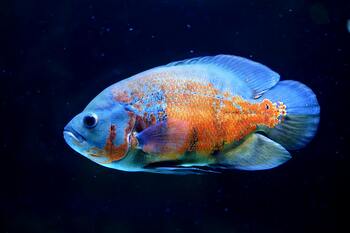
Why Oscar Intelligence Matters
Oscar intelligence is a double-edged sword. It makes them:
- Highly interactive
- Entertaining
- Deeply engaging
But it also means they:
- Get bored easily
- Become aggressive in poor setups
- Require large, stimulating environments
Understanding their intelligence helps explain why Oscar fish can be aggressive and why proper tank size, decor, and care are essential.
Key Takeaway
Oscar fish are intelligent, interactive, and undeniably aggressive cichlids. Their territorial and predatory instincts require large tanks (75+ gallons), thoughtful tank design, and careful tank mate selection. They are not suitable for peaceful community aquariums, but when kept correctly, Oscars can become deeply engaging, long-term companions with personalities unlike almost any other freshwater fish.
Understanding their aggression isn’t about avoiding Oscars — it’s about respecting their nature.
FAQs About Oscar Fish Aggression
Are Oscar fish aggressive all the time?
No. Oscars can be calm and interactive, but aggression increases with maturity, breeding, and limited space.
Can Oscar fish live with other fish?
Yes, but only with large, tough species. Find out more about best tank mates for Oscar fish here. Many owners prefer keeping Oscars alone.
Will Oscar fish eat smaller fish?
Yes. Any fish small enough to fit in their mouth is considered food.
Do Oscars get more aggressive as they grow?
Yes. Juveniles may seem peaceful, but aggression often increases with size.
Can rearranging tank decor reduce aggression?
Yes. Rearranging decorations can temporarily disrupt territories and reduce conflict.
Are Oscars more aggressive than other cichlids?
They may not be the most violent, but their size and predatory nature make their aggression more impactful.