If you’ve ever walked past an aquarium store and been drawn in by tiny fish flashing neon colors and flowing tails, chances are you were looking at guppies. But what exactly is a guppy fish, and why are they so popular among both beginners and seasoned fishkeepers?
In this guide, we’ll break down everything you need to know about guppy fish in a simple, human-friendly way—from their origins and appearance to their care needs, behavior, and breeding habits.
What Is a Guppy Fish?
A guppy fish (Poecilia reticulata) is a small, colorful, tropical freshwater fish that belongs to the livebearer family. Unlike most fish that lay eggs, guppies give birth to live, free-swimming babies called fry.
Guppies are famous in the aquarium hobby for being:
- Hardy and adaptable
- Easy to care for
- Extremely colorful
- Simple to breed
Because of these traits, guppies are often recommended as one of the best fish for beginners—but don’t let that fool you. With selective breeding, guppies have become so visually stunning that many experienced aquarists keep entire tanks dedicated just to them.
Guppy Fish Origins and Natural Habitat
In the wild, guppies are native to South America and parts of the Caribbean, including countries like Venezuela, Guyana, Trinidad, and Barbados. They naturally live in warm, slow-moving freshwater such as streams, ponds, and small rivers.
Today, guppies can be found all over the world. They’ve been introduced to many regions because they eat mosquito larvae, helping control mosquito populations in tropical climates.
Guppy Fish Appearance and Colors
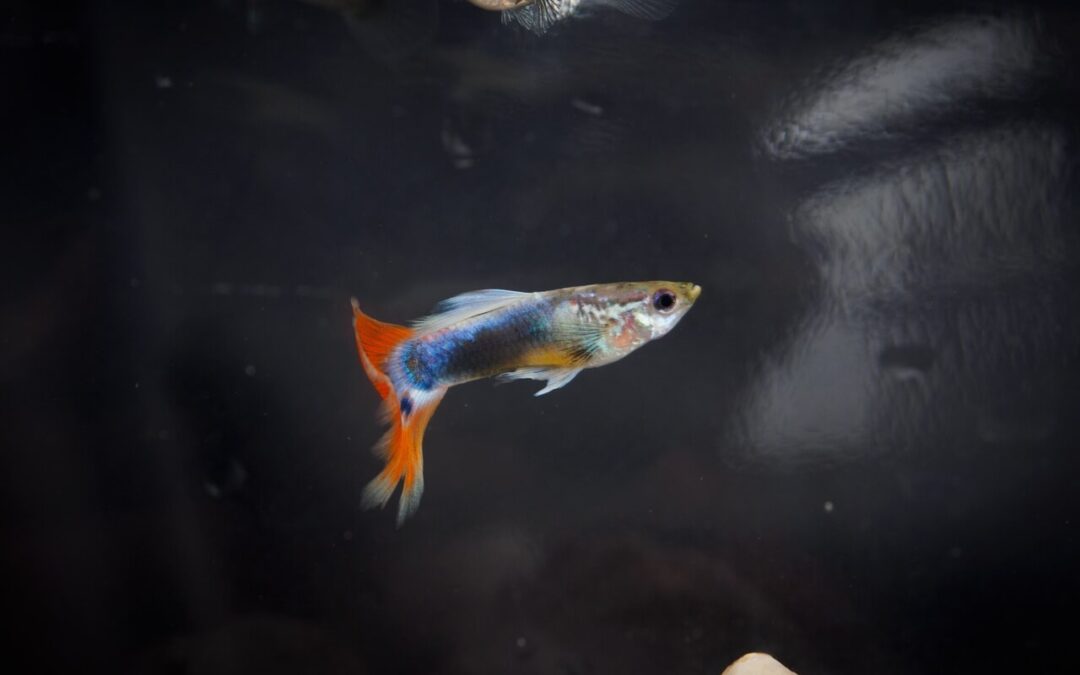
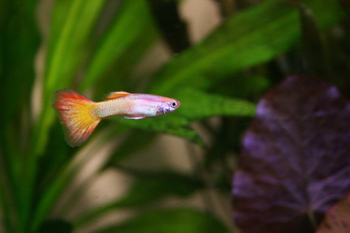
One of the biggest reasons guppies are so beloved is their incredible variety of colors and fin shapes.
Male vs Female Guppies
- Male guppies
- Smaller (about 1.5 inches)
- Extremely colorful
- Large, flowing, decorative tails
- Brighter patterns in red, blue, orange, yellow, green, and even metallic shades
- Female guppies
- Larger (up to 2.4 inches)
- More subdued colors (often silver, gray, or pale gold)
- Shorter fins
- More rounded body, especially when pregnant
Thanks to decades of selective breeding, there are now countless guppy varieties, including fancy guppies, cobra guppies, mosaic guppies, tuxedo guppies, and more.
Key Characteristics of Guppy Fish
Here’s a quick breakdown of what makes guppies unique:
Livebearers
Guppies don’t lay eggs. Instead, females give birth to live fry that can swim and eat almost immediately.
Size
- Males: Around 5 inches
- Females: Up to 4 inches
Temperament
Guppies are peaceful, social, and active, making them excellent community tank fish.
Lifespan
With proper care, guppies typically live 2–3 years, though some can live longer in very stable, clean tanks.
Diet
They are omnivores and will happily eat:
- High-quality flakes or pellets
- Frozen foods
- Live foods like brine shrimp or daphnia
Why Are Guppy Fish So Popular?
Beginner-Friendly Nature
Guppies are hardy and forgiving of small mistakes, which is ideal for new aquarium owners learning about water changes, feeding schedules, and tank maintenance.
Easy to Breed
Guppies breed very easily—sometimes too easily. A single female can give birth every 4–6 weeks and store sperm for multiple pregnancies.
Visual Appeal
Few freshwater fish can compete with the color variety and elegance of a well-bred male guppy. Even a small group adds constant movement and color to a tank.
Affordable and Accessible
Guppies are inexpensive and widely available at almost every pet store or fish shop.
Guppy Fish Tank Requirements
Tank Size
- Minimum: 10 gallons
- Recommended: Larger tanks offer better water stability and room for swimming
While guppies are small, they are active and social, so more space is always better—especially if breeding occurs.
Water Conditions
- Temperature: Mid-70s°F (around 74–78°F)
- pH: Slightly alkaline to neutral
- Clean, well-filtered freshwater
They can adapt to a range of conditions, but stable water parameters are key to long-term health.
Plants and Decorations
Live or artificial plants are highly recommended. They:
- Provide shelter
- Reduce stress
- Give fry hiding spots from adult fish
Guppy Fish Tank Mates
Because guppies are peaceful, they do best with other calm community fish, such as:
- Mollies
- Platies
- Corydoras catfish
- Small tetras
- Snails and shrimp (with caution)
Avoid aggressive or fin-nipping fish, as guppies’ flowing tails can make them targets.
Feeding Guppy Fish
Guppies are not picky eaters, but a varied diet helps maintain vibrant colors and good health.
A balanced feeding plan includes:
- Quality flake or pellet food as a staple
- Occasional live or frozen foods
- Vegetable-based foods for digestion
Feed small amounts once or twice a day, only what they can consume in a couple of minutes.
Guppy Fish Breeding Basics
Guppy breeding happens easily—even unintentionally.
What to Know:
- Females can give birth to 20–50 fry at a time
- Fry are immediately independent
- Adults may eat fry if they aren’t hidden
Tips for Fry Survival:
- Add dense plants like guppy grass
- Use breeding boxes (optional)
- Separate sexes if population control is needed
Many hobbyists are surprised by how quickly a few guppies can turn into dozens.
Common Guppy Fish Health Issues
Guppies are hardy, but poor water quality can lead to:
- Fin rot
- Ich
- Swim bladder issues
Regular water changes, proper feeding, and avoiding overcrowding go a long way in preventing disease.
Are Guppies Right for You?
If you want a fish that is colorful, peaceful, interactive, and beginner-friendly, guppies are an excellent choice. They’re perfect for small tanks, family aquariums, and even breeding projects for those who want to explore genetics and color patterns.
Advanced Guppy Care Tips for Thriving Fish
Once you’ve mastered the basics, a little extra care can make a big difference in how vibrant and active your guppies become.
Water Quality Matters More Than You Think
While guppies are hardy, clean water is the secret to their long-term health. Weekly water changes of about 20–30% help remove toxins like ammonia and nitrates. Many guppy keepers notice brighter colors and more energetic behavior almost immediately after consistent water maintenance.
Using a gentle filter is also important. Guppies enjoy mild water flow, but strong currents can stress them, especially long-finned varieties that have to work harder just to swim.
Lighting and Color Enhancement
Proper aquarium lighting doesn’t just make your tank look better—it also enhances guppy coloration. Moderate lighting helps males display their full range of colors, especially blues and reds. If you keep live plants, good lighting benefits both plants and fish, creating a more natural environment.
Fun and Fascinating Guppy Fish Facts
Guppies may be common, but they are anything but boring. Here are some fun facts that surprise many fishkeepers:
Guppies Can Recognize Faces
Studies suggest guppies can recognize individual humans, especially the person who feeds them. Many owners notice their guppies swimming excitedly to the glass when they approach the tank.
They Were Named After a Person
The guppy fish is named after Robert John Lechmere Guppy, a British naturalist who helped introduce the species to Europe in the 1800s.
Females Can Store Sperm
One of the most surprising facts about guppies is that females can store sperm for months. This means a female guppy can give birth multiple times after just one encounter with a male—something that often catches beginners off guard.
Wild vs Fancy Guppies Look Very Different
Wild guppies are much duller in color compared to fancy guppies found in pet stores. The bright colors and elaborate tails seen today are the result of generations of selective breeding by aquarists.
Guppies and Genetics: A Living Science Experiment
Guppies are often used in scientific research because of their fast breeding cycle and visible genetic traits. Color patterns, tail shapes, and even behavior can be passed down predictably, making them fascinating for hobbyists interested in genetics.
Many aquarists enjoy selectively breeding guppies to enhance specific traits like:
- Large delta tails
- Metallic body colors
- Unique patterns like snakeskin or mosaic
This turns guppy keeping into more than just a hobby—it becomes a creative and educational experience.
Common Beginner Mistakes to Avoid
Even though guppies are beginner-friendly, a few common mistakes can cause problems:
- Overfeeding: Guppies are small and don’t need much food. Excess food quickly pollutes the tank.
- Overcrowding: Because guppies breed so easily, tanks can become overcrowded faster than expected.
- Too Many Males: A tank with too many males can lead to constant chasing and stress.
Maintaining a balanced male-to-female ratio (usually one male to two or three females) keeps the tank peaceful.
Why Guppies Are More Than “Starter Fish”
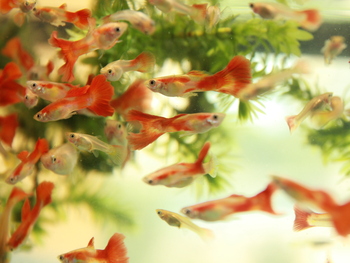
Many people think of guppies as “just beginner fish,” but long-time aquarists know better. Their behavior, colors, and social interactions make them endlessly interesting to watch. Each guppy has its own personality—some are bold and curious, while others are shy and calm.
With proper care, guppies can become the centerpiece of a tank, proving that small fish can still deliver big enjoyment.
FAQs About Guppy Fish
What is a guppy fish?
A guppy fish is a small tropical freshwater fish known for its bright colors, peaceful nature, and ability to give birth to live young.
Are guppies good for beginners?
Yes, guppies are one of the best fish for beginners because they are hardy, affordable, and easy to care for.
How long do guppy fish live?
Guppies typically live 2–3 years, though good care and stable water conditions can extend their lifespan.
Do guppies need a heater?
Yes, guppies are tropical fish and do best in warm water, usually in the mid-70s°F range.
How many guppies should be kept together?
Guppies are social fish and do best in small groups. Keep more females than males to reduce stress.
Do guppies lay eggs?
No, guppies are livebearers and give birth to live fry instead of laying eggs.
Final Thoughts
Guppy fish may be small, but they pack a lot of personality, color, and charm into a tiny package. Whether you’re setting up your very first aquarium or adding life to an established tank, guppies remain a timeless favorite in the fishkeeping world—and for good reason.